Arctic Over-the-Horizon Radar Enhances Security
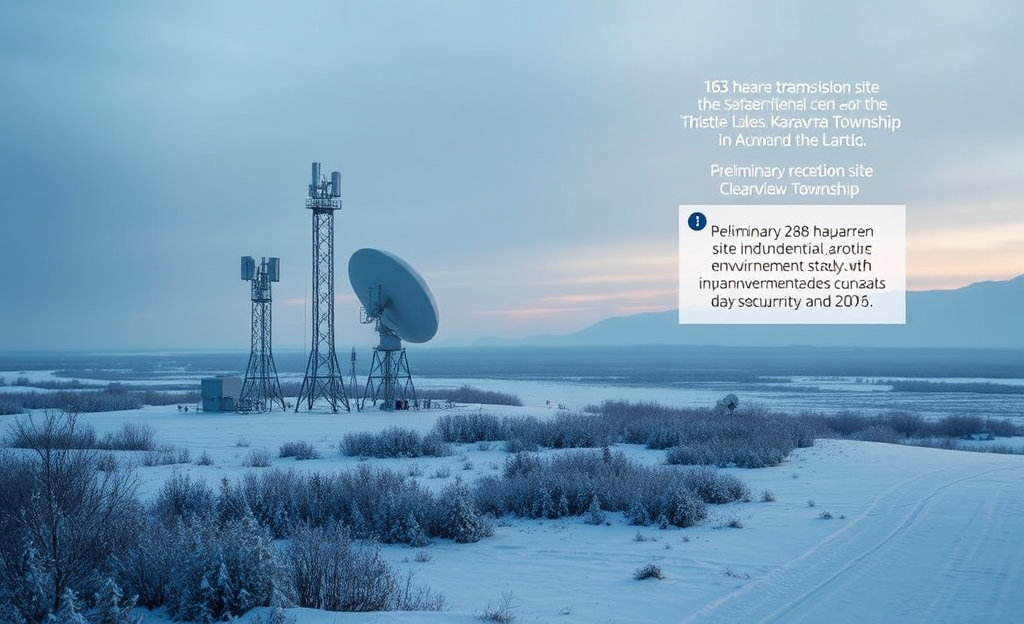
The Arctic Radar project, known as the Arctic Over-the-Horizon Radar (A-OTHR), represents a significant component of NORAD’s ambitious $38.6 billion modernization plan.
This initiative is designed to enhance Canada’s security and sovereignty in the Arctic region.
The upcoming article will delve into the details of the A-OTHR project, exploring the site selection process, the strategic locations chosen for transmission and reception, and the timeline leading to operational capability.
Additionally, we will discuss the public engagement strategies and environmental studies that accompany this crucial endeavor.
Strategic Overview of A-OTHR Program
The Arctic Over-the-Horizon Radar initiative forms a critical component of NORAD’s ambitious $38.6 billion modernization plan.
This effort underscores the importance of Canada’s security and sovereignty in the Arctic region, aiming for significant advancements in surveillance capabilities.
A pivotal aspect of the project is to achieve initial operational capability by the end of 2029, marking a substantial stride towards enhanced defense readiness.
Having received substantial backing, the project’s execution involves strategically chosen locations for the radar facilities, specifically a 163-hectare transmission site at Thistle Trail in the City of Kawartha Lakes and a preliminary 288-hectare reception site in Clearview Township.
This initiative is part of Canada’s broader strategy to reinforce its defense posture in the challenging Arctic environment.
The Arctic Over-the-Horizon Radar is not only a cornerstone of regional security enhancement but also a symbol of the growing strategic importance of the North, crucial for maintaining national sovereignty and security.
Stakeholders can gain more insights through the National Defence page for the A-OTHR project.
Transmission and Reception Site Details
The selection of the 163-hectare Thistle Trail transmission site in the City of Kawartha Lakes and the 288-hectare reception site in Clearview Township marks a significant milestone for the Arctic Over-the-Horizon Radar project.
Thistle Trail’s combination of pastureland, forest, and marshes offers an optimal setting for transmission, providing permanence and suitable coverage for radar operations.
Meanwhile, Clearview Township’s location was chosen to function as a preliminary reception site due to its expansive agricultural landscape, which facilitates signal reception.
Both sites are essential to achieve the project’s mission of enhancing Canada’s Arctic security and sovereignty.
Canadian Defense Services Details.
As we move towards achieving initial operational capability, these strategic site choices will play a critical role.
| Site | Size | Status |
|---|---|---|
| Transmission – Thistle Trail | 163 ha | Permanent |
| Reception – Clearview | 288 ha | Preliminary |
Public Engagement Strategy
The Arctic Over-the-Horizon Radar (A-OTHR) project is commencing a public-engagement period designed to inform residents and gather feedback.
Both virtual and in-person sessions aim to ensure transparency and collaboration throughout the process, critical to maintaining public trust.
Emphasizing the importance of stakeholder input, the engagement strategy facilitates open dialogue.
Participants will have opportunities to engage and provide insights.
Information sharing will occur through:
- Virtual information sessions
- In-person community meetings
These sessions, supported by informed facilitation, will provide detailed insights into the project’s scope and impact.
Interactive dialogues will occur to address community questions and concerns.
Public input is an essential element of this initiative; it will not only enhance project outcomes but strengthen community relationships.
Public input is essential to project success.
By participating, residents play a crucial role, ensuring that their perspectives shape a project that will fortify Canada’s security in the Arctic, promoting regional goals aligned with strategic national interests.
Environmental Assessments and Project Timeline
The Arctic Over-the-Horizon Radar (A-OTHR) project necessitates comprehensive environmental evaluations and climate change risk assessments to meet regulatory requirements and ensure sustainable development.
Scheduled before work starts in winter 2026, these evaluations will encompass detailed studies to evaluate potential environmental impacts.
This preparatory phase is crucial to secure compliance and address potential climate-related vulnerabilities.
Such assessments, mandated by the Department of National Defence, focus on predicting the project’s environmental footprint and integrating resilience strategies to mitigate risks related to extreme weather events
.
These proactive measures align with global environmental standards, ensuring proactive management of climate impacts.
Stakeholders will engage with environmental analyses, which integrate broader climate strategies as outlined in various formal documents such as the National Defence Progress on A-OTHR.
As winter 2026 approaches, the focus remains resolutely on compliance and environmental stewardship, vital components of the A-OTHR project’s strategic objectives.
In conclusion, the A-OTHR project underscores a pivotal step in strengthening Arctic security, with ongoing public engagement and environmental considerations ensuring a comprehensive approach to modernization.
This initiative will play a vital role in safeguarding Canada’s interests in the increasingly contested Arctic region.



0 Comments