In-Person Dating Revives Connections for Generation Z
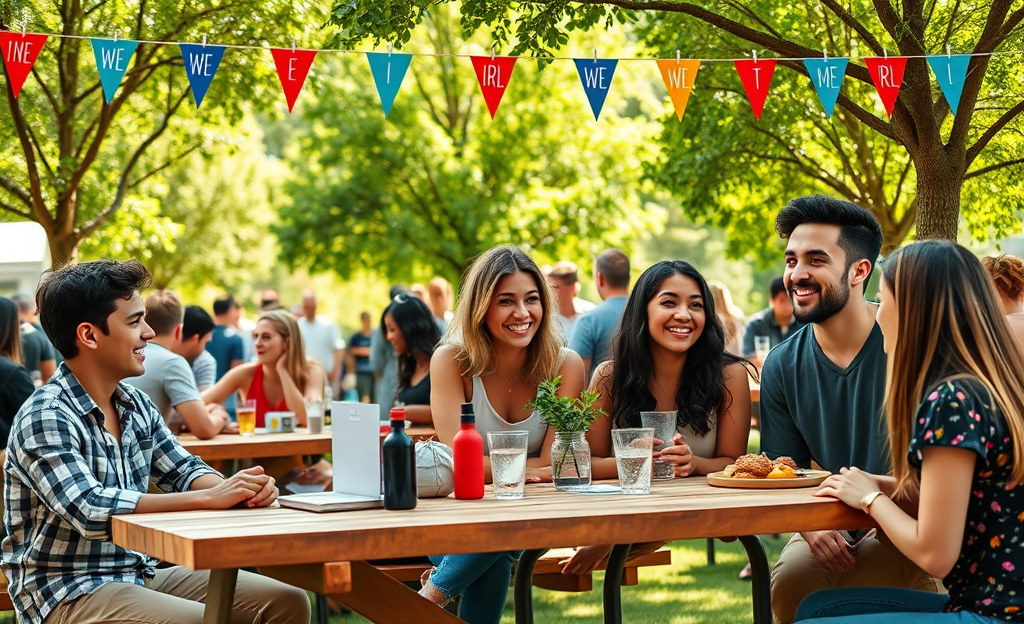
In-Person Dating has emerged as a vital response to the challenges faced by young adults today, particularly Generation Z, who are increasingly disillusioned with traditional dating apps.
This article explores the crisis in the dating app industry, examining the decline in subscriber numbers and the growing desire for authentic human connections.
We will delve into the rising popularity of in-person dating activities, the difficulties young people encounter in forming personal relationships, and the initiatives aimed at fostering real connections.
Through professional insights, we will discuss the necessary skills and mindset shifts needed to navigate the modern dating landscape successfully.
Digital Dating in Decline
Amidst growing concern in the digital dating landscape, dating apps are witnessing a noteworthy downturn in subscriber numbers and a surge in user dissatisfaction.
Notably, from 2021 to 2023, major platforms experienced a significant drop in their user base, coupled with heightened negative sentiment.
In a recent study, a staggering 50% of users reported negative experiences with online dating, highlighting a dissatisfaction trend.
The table below illustrates this troubling dynamic:
| Year | Subscribers (M) | Satisfaction (%) |
|---|---|---|
| 2021 | 8.2 | 42 |
| 2023 | 6.4 | 29 |
Platforms like Tinder and Hinge, once industry leaders, now confront these challenges as they observe their user base shrinking and sentiment plummeting.
According to The Guardian’s insights, nearly half of users report unpleasant experiences, an echo of the widespread dissatisfaction that prompts the pivot towards alternatives such as in-person events and community gatherings.
Driven by the need for genuine connections, many users veer away from swiping towards more meaningful social engagements.
Such a pivotal transition further emphasizes the urgency for dating platforms to reassess and adapt strategies to meet evolving user expectations and foster authentic relationships.
Momentum for In-Person Dating Experiences
The emergence of offline dating events is capturing the attention of Generation Z as they increasingly seek authentic connections beyond the digital realm.
Frustrated by the transactional nature of dating apps, this demographic yearns for meaningful engagements, propelling them toward experiential gatherings.
According to Eventbrite’s report, attendance at dating events has surged by nearly 49% among millennials and Gen Z, underscoring a notable trend towards personal interactions.
Unlike endless swiping on apps, these events foster immediate connections through shared activities.
- Speed dating pop-ups in urban cafés
- Running clubs mixing fitness and flirting
offer vibrant alternatives that facilitate organic interactions.
Such experiences emphasize genuine moments over scripted profiles, appealing to those wary of online deception.
Ultimately, these activities prove to be transformative, encouraging participants to develop resilience and confidence through real-world engagement.
Gen Z’s Interpersonal Skill Gap
The shift from digital to in-person social interactions presents Generation Z with unique challenges due to their limited pre-digital social practice and the repercussions of pandemic-era isolation.
Many Gen Z individuals experience intense feelings of loneliness and social anxiety when navigating offline environments.
According to a study on Gen Z wellbeing, external factors like excessive screen time significantly impact their ability to connect face-to-face.
Further analysis from technological interactions found that this generation often struggles with reading social cues and adapting communication styles.
Many experts suggest this lack of practice hinders their ability to form meaningful connections.
Despite a deep desire for authentic relationships, the fear of being vulnerable often holds them back.
Yet, opportunities for growth through vulnerability can foster resilience if supported by understanding communities and reflective practices, as discussed in recent works.
Emerging Real-World Connection Initiatives
Organizations such as We Met IRL are creating platforms that facilitate genuine offline connections, combatting digital app fatigue around dating culture.
These initiatives host a myriad of engaging events like speed dating evenings and social sports meetups, designed to help people meet naturally.
For example, Events and Adventures offers 30+ activities each month, promoting interaction in settings that feel more personal than apps.
The mission of We Met IRL revolves around fostering authentic bonds among participants.
Through this approach, they emphasize real interactions and building trust.
Aside from underlined phrases for their core values, organizers share success anecdotes from participants who reported feeling a renewed sense of connection and community.
As organized social meetups grow in popularity, particularly among those wary of virtual deception, these events are becoming pivotal in nurturing real-world relationships while alleviating fears of vulnerability.
This revival in in-person dating experiences signifies a broader shift towards substantial and meaningful connections.
Emotional Barriers to Offline Dating
Generation Z experiences a complex range of emotional barriers when it comes to offline dating.
An overarching concern is the fear of deception, a byproduct of the skewed realities often presented online.
According to Time Magazine, many young adults prefer dating within their community to alleviate stress and anxiety.
This apprehension is coupled with the fear of rejection, which is amplified by a lack of real-world interaction skills.
“Meeting people in person could cause anxiety,” says insights from ABC News, as many struggle to initiate connections face-to-face.
Experts suggest that developing interpersonal skills and seeing vulnerability as empowerment can transform these fears into opportunities for stronger, authentic connections.
Embracing this mindset can help Gen Z bridge the gap between their digital and real-world selves, enabling more meaningful relationships.
Building Skills, Confidence, and Resilience
In today’s fast-paced world, building skills, confidence, and resilience is crucial for personal growth and meaningful connections.
Embracing vulnerability can foster deeper relationships, while reflective practices encourage self-awareness and strength.
Community support plays an essential role in enhancing social skills and building a network that empowers individuals to thrive.
Practical Communication Habits
In an evolving dating landscape, practical communication habits play a crucial role for young adults.
Mastering these skills enhances interactions, fostering meaningful connections.
To effectively navigate these interpersonal exchanges, consider incorporating key techniques.
- Engage in active listening by fully focusing on your partner’s words, which not only shows respect but also deepens understanding.
- Regularly use open-ended questions to encourage expansive, insightful conversations, creating opportunities for deeper personal connections.
- Maintain eye contact to signal presence and sincerity, reinforcing trust and engagement.
Cultivating these habits helps build a foundation for strong, lasting relationships.
Leveraging Community Support
Peer groups, clubs, and mentorship circles play a vital role in reinforcing confidence among Generation Z.
These communal environments provide a platform for consistent reflection and shared experiences, fostering a sense of belonging and mutual understanding.
As young individuals engage with peers, they benefit from shared accountability, which encourages them to push boundaries and strive for personal growth.
Moreover, the interaction within these circles allows for the exchange of diverse perspectives, broadening their worldview.
By participating in resilience-building programs, Generation Z nurtures self-belief and adaptability, crucial for navigating life’s challenges.
In-Person Dating offers a promising alternative for those seeking authentic relationships.
By promoting resilience and confidence, individuals can overcome their fears and embrace the potential for meaningful connections in an increasingly digital world.



0 Comments