Cleanup Agreement for Contaminated Sites
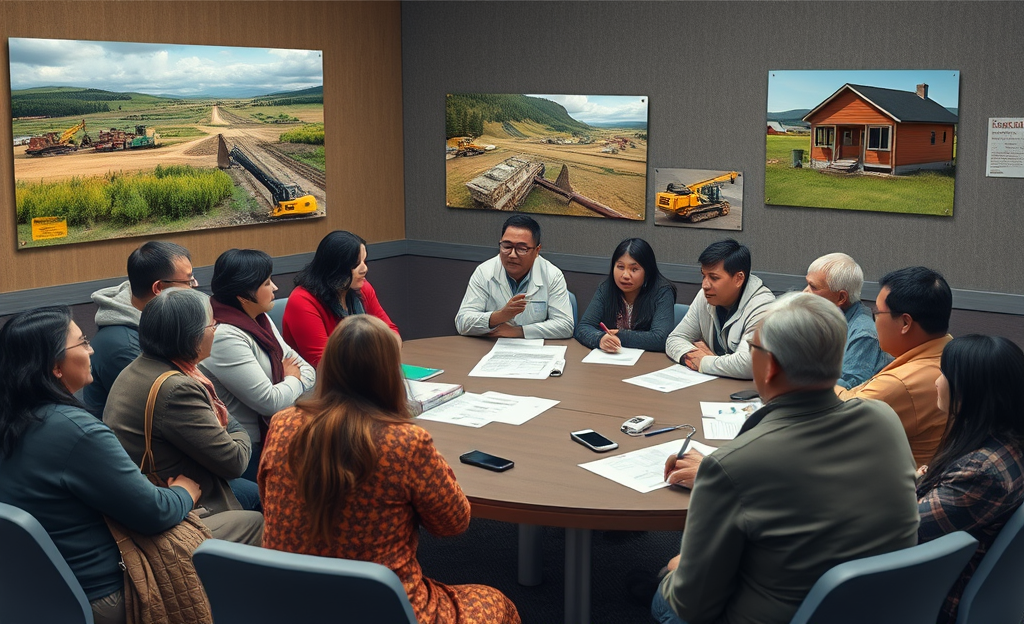
The Cleanup Agreement sets the stage for a crucial initiative aimed at remediating three contaminated sites: the former Arctic Gold and Silver mine, the Venus mine, and the Chooutla residential school.
This article will delve into the strategies for effective remediation, the economic benefits derived from local training and job creation, and the importance of community consultations in ensuring a safe cleanup process.
Moreover, we will discuss the significant challenges posed by the contaminants found at these sites, emphasizing the need for comprehensive solutions.
Overview of the Multi-Site Cleanup Agreement
The signed agreement to remediate the former Arctic Gold and Silver mine, former Venus mine, and Chooutla residential school signifies a significant step towards restoring environmental health and ensuring community safety.
The **remediation** initiative targets these three contaminated sites, addressing the historical legacy of neglect that has posed a persistent threat to both the environment and the livelihoods dependent on it.
Through this plan, the **community involvement** emerges as a vital component, enabling local participation in every phase of the remediation process.
Moreover, the endeavor underscores an anticipated **economic impact** that extends beyond environmental restoration.
Specifically, the agreement promises to foster local job creation and provide substantial training opportunities to empower the workforce within the community.
This economic revitalization serves as a beacon of hope, especially in regions where employment prospects remain limited.
With further community consultations on the horizon, the process remains transparent and participatory, ensuring that local voices shape the initiative.
Although challenges, particularly the quantity of contaminants, persist, the commitment to overcoming these hurdles remains unwavering.
The agreement not only facilitates the **remediation** of these legacy sites but also paves the way for a future where enhanced economic opportunities and community engagement thrive in harmony.
Economic Benefits Through Training and Local Jobs
The remediation of contaminated sites, such as the former Arctic Gold and Silver mine, Venus mine, and Chooutla residential school site, will dramatically benefit the local economy.
By focusing on local employment and skills training, these projects promise to revitalize communities, offering not only environmental but also economic growth.
The cleanup initiative supports by creating numerous job opportunities.
The project drives economic benefit by training local residents in environmental remediation skills.
Training programs ensure participants acquire valuable expertise, leading to sustainable employment within and beyond the community.
As the community increasingly meets required skills locally, reliance on external workers decreases, enhancing community equity and self-sufficiency.
- Job creation: 50+ positions for residents
- Skills development: Participants gain credentials in environmental remediation
- Increased local wages: More trained professionals mean better paying jobs
- Community empowerment: Training fosters resiliency and self-reliance
Through these actions, contaminated site cleanups not only restore ecosystems but also strengthen local economies, providing a positive trajectory for the region.
Community Consultations to Ensure Safe and Effective Cleanup
Community consultations play a pivotal role in ensuring the remediation of contaminated sites such as the former Arctic Gold and Silver mine, Venus mine, and Chooutla residential school remains safe and transparent.
Engaging stakeholders effectively not only helps build trust but also promotes a cooperative approach, which is essential for addressing the widespread contamination concerns.
The integration of **safety protocols** in the community consultation process ensures that all potential risks are clearly communicated and mitigated accordingly.
Stakeholder Engagement | Sustainable Business Network highlights how inclusive relationships foster efficient environmental cleanups.
Below is a well-structured approach to the consultation process:
| Phase | Objective |
|---|---|
| Initial Outreach | Identify community concerns |
| Feedback Collection | Gather stakeholder input |
| Implementation Monitoring | Ensure project safety |
Effective stakeholder engagement not only shapes a safer environment but underscores the necessity of community involvement in achieving successful cleanups.
Challenges Posed by Site Contaminants
The contaminants found at the Arctic Gold and Silver mine, Venus mine, and Chooutla residential school sites present significant challenges.
The unique conditions of each location require tailored remediation strategies.
At the Arctic Gold and Silver mine, glacial runoff coupled with mine waste has led to pervasive heavy-metal contamination, complicating the cleanup process.
Similarly, the Venus mine faces challenges due to the presence of acid-generating rock, which exacerbates environmental degradation.
Meanwhile, contamination at the Chooutla residential school site stems from diverse sources, requiring delicate handling to protect the local community.
A detailed review of these hurdles highlights the technical obstacles requiring innovative remediation approaches.
- Heavy-metal seepage: Persistent leaching of metals into surrounding waters poses a threat to aquatic life and human health.
- Acid mine drainage: Ongoing acidification of soil and water potentially harms the ecosystem.
- Complex pollution sources: Diverse and layered contaminants necessitate comprehensive approaches for effective mitigation.
Addressing these challenges is crucial for ensuring the long-term health and safety of affected environments and communities.
In conclusion, the Cleanup Agreement represents a vital effort to restore contaminated sites, foster community growth, and address environmental concerns.
With continued collaboration and commitment, these remediation efforts can lead to a healthier and more sustainable future for the community.



0 Comments