Backlash Against Digital Storefronts Censorship
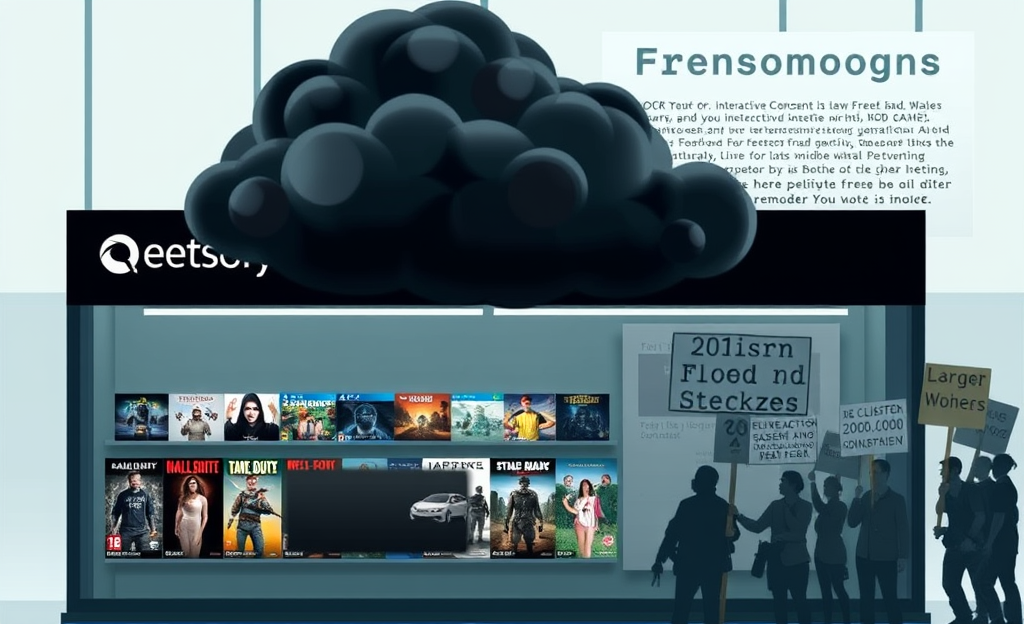
Digital Storefronts Censorship has sparked a heated debate in the gaming community, following recent policy changes that resulted in the removal of thousands of adult video games.
This initiative aimed at targeting titles portray interactive rape and incest content, igniting significant backlash from gamers who see these actions as an infringement on free speech.
As compliance with payment processor policies necessitated the delisting of numerous games, the discussion has evolved into a broader examination of the balance between addressing misogyny in media and protecting creative expression.
This article will explore the implications of these changes and the reactions they have provoked.
Policy Changes and Game Removals
Recent policy changes by major digital storefronts, including those on platforms like Steam and Itch.io, were triggered by increasing pressure from payment processors such as Mastercard and Visa.
These financial titans demanded compliance due to ethical concerns linked with content involving interactive rape and incest, as highlighted by campaigns from advocacy groups.
Consequently, the digital storefronts initiated a sweeping removal campaign, affecting thousands of adult video games across their platforms.
The scale of the removal operation was substantial, aiming to align with new compliance rules focused on eliminating content deemed harmful.
As a result, developers saw their projects, some of which involved years of work, vanish overnight due to these abrupt changes.
- Steam delisted hundreds of titles
- Itch.io enforced stricter content guidelines
- Payment processors mandated policy conformity
Relevant text, these enforced policy changes specifically targeted content that depicted rape and incest, sparking a significant debate about the balance between combating harmful content and respecting creative freedom.
Community Backlash and Free-Speech Concerns
The gaming community erupted in outrage as major digital storefronts delisted thousands of adult video games.
The removal, driven by compliance with payment processor policies, sparked accusations of censorship.
Gamers expressed their dismay, labeling the actions as an infringement on free speech.
Protesters united, targeting companies like Visa and Mastercard, and their frustration was clear.
“This is outright censorship!”
Developers also voiced alarm, with the IGDA calling for transparency in policy enforcement.
Critics argue that these measures disproportionately affect marginalized creators.
The controversy highlights a precarious balance between battling misogyny in media and preserving creative free expression.
As protests continue, tensions rise over where the line is drawn between necessary regulation and the suppression of artistic content.
The debate remains heated, underscoring a pivotal moment for gaming and digital creativity.
Payment Processor Compliance
Payment processor compliance has become a critical factor for digital storefronts as they navigate complex content regulations.
Aligning with payment processor content rules has led to the delisting of numerous adult-themed games that violate these standards.
This connection underscores the ongoing tension between upholding creative expression and adhering to the requirements imposed by payment service providers.
Campaign Pressure on Payment Processors
Advocacy groups have significantly impacted the gaming industry by meticulously cataloging hundreds of flagged games depicting rape and incest themes.
These groups leveraged their findings to exert pressure on payment processors, urging them to enforce stricter content guidelines.
Utilizing open letters and targeted campaigns, like those from ‘Game developers association decries ‘financial censorship’ amidst payment processors shutdown, these groups emphasized the moral and ethical implications of hosting such games.
The scale of the identified content was enormous, involving numerous digital storefronts and platforms like Steam and Itch.io, which felt compelled to take immediate action.
Organizations such as ‘Collective Shout open letter to payment processors’, played pivotal roles in these initiatives.
Their activities focused on demanding accountability from payment processors, showing how financial gatekeepers bear responsibility for the content they support.
This campaign highlighted ongoing tensions between creative freedom and ethical content management, underscoring the complex dynamics at play in digital marketplaces.
Petition, Moral-Panic Claims, and Ongoing Debate
A petition has rapidly gained over 200,000 signatures, vehemently opposing the recent delisting of adult video games by major digital storefronts.
Critics argue this action reflects undue censorship, infringing on creative freedom.
At the heart of the debate are conflicting priorities:
- Creative freedom: Developers fear over-reach.
- Combating misogyny: Advocates seek to curb harmful themes.
These opposing views underscore a deeper divide within the gaming community.
Amidst these concerns, the term moral panic has surfaced, representing the belief that societal overreaction is driving hasty policy changes.
This perspective highlights the urgency of maintaining artistic expression without bowing to exaggerated moral outcries.
For many, the removals are seen as a slippery slope where games exploring controversial themes, yet devoid of illicit content, may unjustly face exclusion.
Equally pressing is the potential disproportionate impact on marginalized developers, often more vulnerable to shifting platform rules.
These creators frequently rely on niche markets to present their unique voices.
Under increased scrutiny, they risk losing platforms essential for their expression and livelihood.
In navigating this landscape, digital marketplaces must balance Relevant text efforts to fight misogyny with the principle of upholding free expression.
Digital Storefronts Censorship has not only led to a significant removal of adult games but also ignited crucial discussions about free expression and moral responsibility in the gaming industry.
As the debate continues, it is essential to consider the broader impacts on marginalized developers and the future of creative freedom.



0 Comments