Tilly Norwood Sparks Controversy in Hollywood
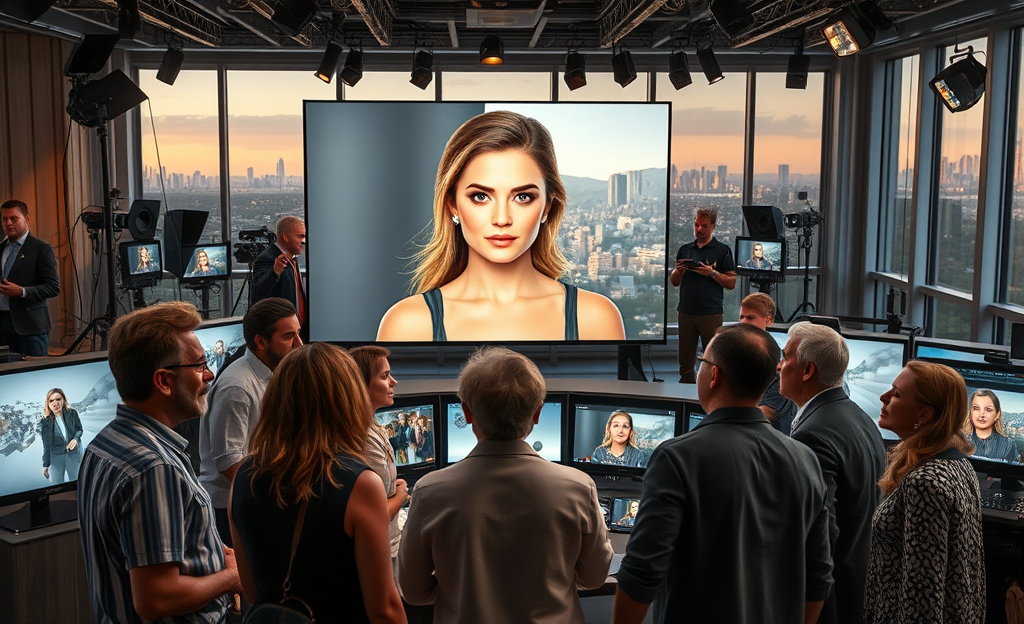
AI Controversy is stirring in Hollywood with the emergence of Tilly Norwood, an ‘AI actress’ that has captured the attention of agents seeking to sign contracts with a digital character.
This development has sparked debates about the future of acting, as the company behind Norwood claims to use AI as a storytelling tool rather than a replacement for human talent.
SAG-AFTRA has intervened, asserting that Norwood is merely a computer-generated character and that human actors deserve proper compensation and consent before AI is integrated into production.
As the industry grapples with these issues, the potential of AI in content production remains a hot topic of discussion.
Introducing the Digital Persona Tilly Norwood
Introducing the digital persona Tilly Norwood, a groundbreaking creation by Xicoia and Particle6, she represents a significant leap in the evolution of on-screen talent.
As Hollywood’s first fully AI-generated actress, Tilly encapsulates the future of storytelling, blurring the boundaries between technology and art.
With her lifelike presence crafted from meticulous programming, she offers a fresh approach to character portrayal, drawing from a vast array of performances.
Indeed, many believe that she might open the door to countless possibilities in the realm of film and animation by expanding creative horizons.
However, as agents express interest in Tilly, stirring debates arise within the industry’s traditional frameworks, and the SAG-AFTRA union emphasizes that human actors need recognition and fair compensation.
Such discussions underscore the growing tensions surrounding AI’s role in Hollywood.
Hollywood Agents Show Interest
Talent agencies across Hollywood are buzzing with interest in representing Tilly Norwood, an AI-generated character described as the next evolution in storytelling.
Industry professionals believe that Norwood’s digital nature could provide unique opportunities for seamless international distribution and collaboration without concerns about disputes or schedule conflicts.
An article on Fortune Magazine highlighted talent agents vying to sign the AI actress amid a wave of curiosity and strategic interest.
However, the move has stirred mixed reactions within the industry:
- Studio Executives: “She tests off the charts with Gen Z.”
- Actors Guild: “She’s not an actress, she’s a tool.”
- Creatives: “AI should enhance, not replace talent.”
- Industry Analysts: “This could diversify content faster.”
Amidst this, some maintain that AI advancements, like Tilly Norwood, must coexist with human artistry to ensure a balanced future for the entertainment sector.
SAG-AFTRA’s Position on AI Performers
SAG-AFTRA has taken a firm position against the emergence of AI performers like Tilly Norwood, stating they lack the essence of genuine human experience needed for acting.
The union has emphasized that AI avatars, despite their technical sophistication, cannot match the depth and emotion brought by real actors.
This sentiment was captured in a thought-provoking statement from a SAG-AFTRA spokesperson:
“AI cannot replace the human spirit on screen.” — SAG-AFTRA spokesperson
.
The union asserts that acting is about more than just delivering lines or appearing on screen; it’s about drawing from a lifetime of personal experiences and emotions to engage audiences at a meaningful level.
Beyond artistic concerns, SAG-AFTRA demands clear safeguards for human actors regarding compensation and consent when using AI in productions.
These safeguards include obtaining explicit permission from actors and ensuring fair compensation for the use of their likenesses in AI creations, addressing the threat AI poses to their livelihoods.
With rules established for AI integration, the union continues to protect its members’ rights, emphasizing that any digital replication requires approval and proper compensation to avoid exploitation and loss of work opportunities.
This stance reinforces the importance of maintaining human involvement as a cornerstone of the entertainment industry.
Actors Speak Out Against Digital Replacements
Hollywood’s pivot towards digital characters like Tilly Norwood stirs intense debate among actors.
Many performers voice their unease regarding AI’s encroachment into the realm of acting.
Emily Blunt and Lukas Gage have expressed particular concern, highlighting the potential threat to job security and creative integrity.
SAG-AFTRA openly critiques the notion, describing this shift as a compromise to the core of human-centered art BBC News Coverage.
They emphasize that these digital entities should not replace the nuanced and intrinsic human touch that actors bring to their roles.
On the brighter side, the AI concept receives backing for its potential to expand storytelling boundaries CNN Insight.
Advocates suggest AI can serve as a groundbreaking tool, likening it to the innovation seen in puppetry and CGI.
Below is a brief comparison of perspectives:
| Pro-AI | Anti-AI |
|---|---|
| “Keeps budgets low” | “Turns artists into data” |
| “Offers new creative tools” | “Lacks emotional depth” |
| “Enhances storytelling” | “Compromises authenticity” |
As discussions continue, the industry’s future hinges on finding harmony between traditional craftsmanship and technological advancement, ensuring that neither artistry nor innovation is compromised.
AI as a New Storytelling Tool
The CEO asserts that AI characters, like Tilly Norwood, complement rather than replace human talent, providing filmmakers with fresh avenues for storytelling.
Utilizing generative AI technology, companies can create diverse and dynamic narratives which would be challenging to achieve through traditional means.
Netflix believes the real value of AI lies in its capacity to enhance narrative quality, not just cut costs, aligning with the CEO’s vision of AI enriching creativity.
As the industry embraces ongoing tests with AI-generated content, actors and unions like SAG-AFTRA continue to voice concerns about compensation and permission.
Such trials underscore the potential for AI to reshape media landscapes, sparking relevant discussions within film and animation sectors.
Further dialogue will likely delve into how AI can broaden the storytelling landscape without compromising the irreplaceable artistry of human actors.
In conclusion, the AI controversy surrounding Tilly Norwood highlights the delicate balance between innovation and integrity in Hollywood.
As discussions continue, the industry’s approach to AI technology will shape the future of filmmaking and the role of human actors.



0 Comments