Smartphone Use in Bathrooms Could Increase Health Risks
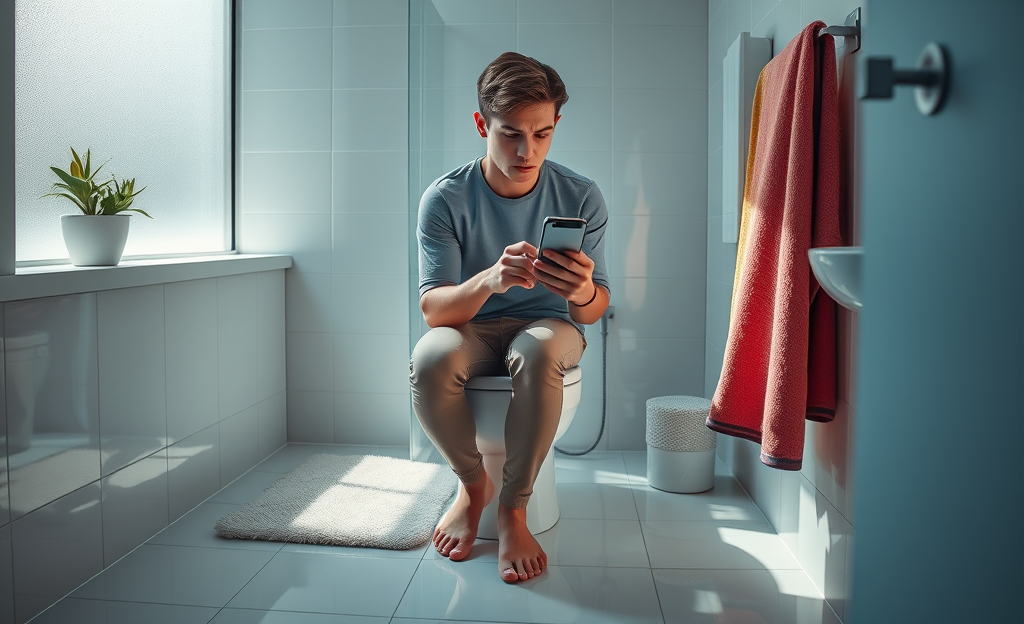
Bathroom Smartphone usage has become increasingly common, raising concerns about its potential health impacts.
Recent research involving colonoscopy patients reveals a troubling link between cell phone use in the restroom and the risk of developing hemorrhoids.
This article will delve into the findings of the study, examining how our bathroom habits have evolved with technology and the implications of prolonged social media engagement on our well-being.
By exploring the correlation between smartphone use and health risks, we can better understand the hidden dangers of our modern hygiene practices.
Growing Trend of Bathroom Smartphone Use and Health Alerts
The growing trend of using smartphones in the bathroom has become a widespread habit, with many individuals integrating their devices into daily routines that were once gadget-free.
This behavior, initially perceived as harmless and practical, now presents significant health concerns due to the tendency to prolong bathroom breaks while scrolling.
A noticeable shift has occurred where people increasingly spend more time on toilets, distracted by their smartphones.
Engaging in activities such as checking emails and accessing social media can turn a typically brief visit into an extended session.
Recent studies have spotlighted the direct link between bathroom smartphone use and emerging health threats, highlighting the concerning association with a **46% higher hemorrhoid risk**.
Hemorrhoids, swollen veins in the lower rectum, are exacerbated by prolonged pressure during bathroom visits.
This extended pressure can occur with the increased time spent on the toilet due to phone usage.
Consequently, there are tangible repercussions on health from this seemingly innocuous habit.
Consider the following critical statistics to grasp this trend’s implications:
- 46% higher hemorrhoid risk
- About 37% of smartphone users exceed five minutes per visit
.
These numbers clearly underscore the need for awareness and behavioral change to mitigate health risks effectively.
Key Data from the 125-Patient Colonoscopy Study
Recent findings from a colonoscopy study involving 125 patients reveal significant smartphone usage in the bathroom.
Notably, two-thirds of participants reported using their smartphones at least once while in the bathroom, with most engaging in this habit on a weekly basis.
Additionally, many patients spent over five minutes online during these bathroom visits, raising concerns about the potential health implications associated with prolonged time spent in this setting.
Behavioral Patterns Observed
Smartphone users often exhibit specific behaviors that prolong bathroom visits.
They tend to become engrossed in scrolling through social media feeds, responding to messages, and watching videos, which significantly extend their time in the restroom.
These activities are not only distracting but also lead to sessions that last longer than five minutes, as described in some studies.
Furthermore, the engagement with digital content makes it easy for users to lose track of time, inadvertently increasing their risk of hemorrhoids due to prolonged sitting, as highlighted here.
Social Media’s Role in Extended Stays
Social media platforms ingeniously design their interfaces to captivate users, often resulting in prolonged bathroom time due to the endless scroll feature.
As users get entangled in these seamlessly looping feeds, they become unaware of passing minutes, leading to increased durations seated on the toilet.
This engrossing behavior is reinforced by notifications designed to draw users back, creating a habit of extended visits.
According to a study, a significant number of individuals use social networking while in the bathroom, highlighting the addictive nature of these platforms and their persistent pull.
Physiological Link Between Phone Use and Hemorrhoids
The physiological connection between extended sitting and the development of hemorrhoids is rooted in the increased venous pressure and reduced circulation within the rectal area.
When individuals sit for prolonged periods, particularly when distracted by electronic devices, the pressure exerted on the veins in the rectal and anal regions intensifies.
This prolonged pressure hinders the proper blood flow, causing the veins to become swollen and irritated.
This swelling is a precursor to the formation of hemorrhoids, which can result in discomfort and pain.
Smartphone use on the toilet compounds this problem, as individuals tend to lose track of time, leading to extended sitting periods.
Studies have shown a 46% increased risk of developing hemorrhoids among those who frequently use their phones in the bathroom.
A health report highlights how spending extra time sitting can compress veins and restrict blood flow—a direct contributor to these issues.
Furthermore, this habit might exacerbate other circulatory problems, such as varicose veins, due to the strain on the lower body’s vascular system.
Thus, the temptation to use smartphones during bathroom breaks poses significant health risks beyond just the immediate comfort of connectivity.
Limiting Distraction to Protect Bathroom Health
Addressing the potential health risks of smartphone use in bathrooms, particularly the association with increased hemorrhoid risk, requires strategic measures.
To mitigate such risks, it’s crucial to limit distractions and decrease time spent on the toilet.
One effective strategy is setting screen-time reminders on your smartphone, encouraging users to monitor and reduce their time in the bathroom.
Additionally, keeping reading materials, like books or magazines, outside the bathroom can help reduce phone dependency during bathroom visits.
This approach not only promotes healthier bathroom habits but also contributes to overall well-being.
According to a study, prolonged smartphone use can raise the risk of hemorrhoids by 46%, underscoring the importance of these preventive actions.
Adopting these strategies can significantly enhance bathroom health:
- Leave the phone outside.
- Set a bathroom timer.
- Offer alternative activities like puzzles.
Bathroom Smartphone habits may seem harmless, but the associated health risks warrant attention.
As our reliance on technology grows, it’s crucial to recognize the potential consequences of extended bathroom stays and take steps to mitigate these risks.



0 Comments