The Rise of Gray GLP-1s in Weight Loss Solutions
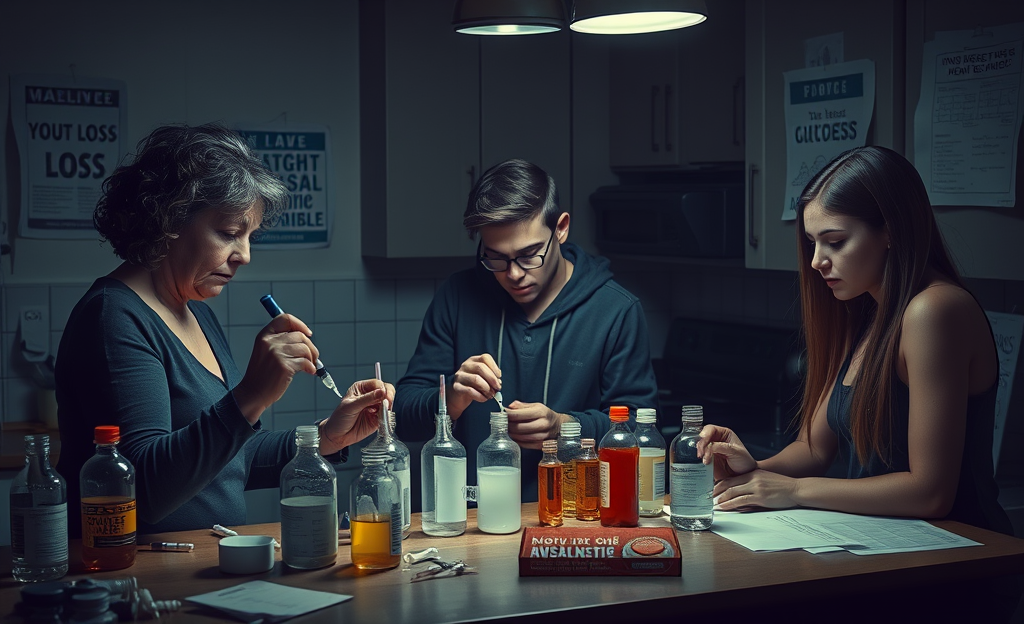
Gray GLP-1s are becoming increasingly popular as individuals seek alternatives to traditional weight loss medications like Ozempic.
In response to rising costs and limited access to regulated treatments, many users are turning to unregulated versions of these drugs, often mixing them at home.
This article delves into the factors driving the popularity of gray GLP-1s, the potential health risks involved, and the pressing need for more affordable and safe weight loss solutions, as patients navigate the challenges of obtaining effective treatments in today’s healthcare landscape.
Gray GLP-1s: An Emerging Underground Trend
Gray GLP-1s refer to unregulated versions of popular weight loss medications like Ozempic, which have not been approved by the FDA.
These products are becoming increasingly popular as individuals are drawn to their perceived benefits of weight loss and lower cost compared to official prescriptions.
Users are turning to these alternatives to circumvent the significant financial burden and accessibility barriers associated with the legitimate prescriptions.
Several consumers, finding it difficult to afford the high prices of FDA-approved GLP-1 drugs, resort to homemade mixes or purchase from online suppliers abroad.
This trend highlights a pressing demand for affordable and safer weight loss solutions.
Moreover, their popularity is bolstered by the ease of purchase and the growing online marketplace that offers these substances without the need for a prescription, effectively rendering them akin to over-the-counter products.
The rapid spread of gray GLP-1s is deeply concerning, primarily due to the lack of regulation and potential health risks associated with contaminants.
Despite these risks, users are driven by challenges such as the unavailability of these drugs through legitimate channels, forcing many to seek solutions elsewhere.
Furthermore, the market is flooded with research-grade peptides intended only for experimental purposes, yet they are marketed and consumed for weight loss, leading to potential adverse effects.
Users should be wary of the legal implications and health dangers.
- High out-of-pocket costs
- Inaccessibility through official channels
- {{Growth in online gray markets for accessible purchases}
Home Compounding and Legal Realities
The practice of home compounding gray GLP-1s has emerged as individuals seek affordable weight loss options outside the traditional healthcare system.
These unregulated medications, lacking FDA approval, are often sourced from dubious online suppliers, making them accessible to those willing to navigate the risks involved.
However, engaging in the self-mixing of these drugs carries significant legal consequences, including potential charges related to possession and distribution of illegal substances.
How Users Mix Unregulated GLP-1s
Many individuals seeking affordable weight loss solutions turn to the risky practice of DIY compounding unregulated GLP-1s at home.
They begin with peptide vials of freeze-dried semaglutide or tirzepatide, obtained from unreliable sources.
These substances mix with bacteriostatic water, usually purchased online, using insulin syringes to administer doses.
This process often occurs without guidance or proper tools, posing significant health risks.
Improper sterilization dramatically increases infection risk.
Despite the illegality and potential contaminants present in these unapproved products, cost barriers and limited access to legitimate medications drive people towards these risky alternatives.
As a result, the demand for accessible and safe weight loss treatments becomes more urgent, highlighting the need for regulatory intervention and the importance of understanding the dangers associated with these practices.
Illegality and Enforcement Challenges
Gray market GLP-1 medications violate the Food, Drug and Cosmetic Act as they are classified as misbranded drugs under federal and state statutes.
These statutes ensure that all pharmaceuticals undergo rigorous safety and efficacy testing.
FDA approval is mandatory to sell any drug legally, which gray GLP-1s lack, making their sale illegal.
State laws align with federal regulations to prohibit their distribution.
Possessing these substances with intent to sell is a federal crime.
Regulatory bodies face significant challenges in enforcement due to the rise of online sellers who exploit mail shipments to distribute these products.
For more insights on regulatory concerns, refer to FDA Concerns on Unapproved GLP-1 Drugs.
This illegal trade continues to grow, stressing the need for more stringent monitoring.
Health Hazards and Possible Contaminants
The growing use of ‘gray GLP-1s’, unregulated versions of GLP-1 medications like Ozempic, raises pressing concerns about health hazards and possible contamination.
These non-FDA-approved products are manufactured without adherence to stringent safety standards, leaving users vulnerable to a range of potential risks.
Unlike regulated drugs, which undergo rigorous quality controls, these illicit versions lack oversight, making contamination a real threat.
- Contaminants in the gray market GLP-1 products can lead to various adverse effects, from mild discomfort to severe health issues.
- Without proper regulation, inaccurate dosing can occur, increasing the risk of overdose or underdose, both of which can have serious health consequences.
- The long-term effects of these illegally sourced medications remain unknown, presenting a further risk to users.
| Contaminant | Potential Harm |
|---|---|
| Endotoxins | Severe fever and inflammation |
| Heavy metals | Neurological damage and organ failure |
| Unknown fillers | Allergic reactions and toxicity |
Patients who turn to online suppliers instead of reputable sources risk exposing themselves to these significant dangers.
The absence of regulatory oversight means that users might inadvertently consume substances with severe health risks.
The gravest danger of gray GLP-1 usage lies in the threat of catastrophic health outcomes due to unknown contaminants.
Accessing FDA-regulated medications remains the safest choice despite financial challenges.
Economic Pressures Fueling Demand
Amidst the backdrop of soaring healthcare costs, patients seeking effective GLP-1 therapy confront financial hardships that are more daunting than ever.
The burden of high costs combined with limited insurance coverage often leaves individuals in a precarious situation.
As insurers struggle to manage expenses, many have resorted to dropping coverage for these vital medications, pushing patients to bear even higher out-of-pocket costs.
This is vividly articulated in reports from health industry analysts.
They note GLP-1 therapies as one of the most significant contributors to rising healthcare expenditures.
Faced with mounting expenses and a lack of support from insurance providers, individuals are forced to seek alternatives often found on the gray market.
Despite the associated health risks and illegal status, these unregulated versions offer a seemingly accessible solution to those unable to afford the steep prices of legitimate prescriptions.
However, this path is fraught with danger.
The lack of regulation introduces potential contaminants, creating a risky scenario where desperation meets unregulated access.
As people grapple with financial challenges, they also navigate a landscape of uncertainty.
The story of patients like those reported in uninsured lives highlights a stark reality: as the demand for more affordable solutions grows, so does the need for systemic solutions that ensure accessibility without compromising safety.
The current scenario underscores the urgent call for a healthcare system that balances cost with safety and accessibility.
Toward Safe and Affordable Solutions
The increasing use of unregulated “gray GLP-1s” highlights the pressing demand for affordable access to weight-loss medications.
Patients are often turning to illegal online suppliers because legitimate prescriptions of GLP-1 drugs, such as Ozempic, remain financially out of reach.
This trend underscores the necessity for safe innovation in creating regulated and reasonably priced GLP-1 medications.
With current treatment options being financially prohibitive for many, patients find themselves in a precarious position between health risks and economic burden.
To compound the issue, unapproved products can contain harmful contaminants, posing serious health threats.
The FDA has raised concerns regarding the illegal sale of such unregulated drugs highlighted here by the FDA.
We urge regulators, manufacturers, and insurers to address this critical gap in healthcare.
Through collaborative efforts, it is essential to ensure that effective, FDA-approved treatments become financially viable for a broader population segment.
By doing so, we can safeguard the well-being of individuals seeking to improve their health while fostering a future where everyone has access to the treatments they need at costs they can afford.
In conclusion, the rise of gray GLP-1s highlights a significant gap in the market for affordable weight loss options.
As long as prescription costs remain high, the demand for these unregulated alternatives is likely to persist, underscoring the need for safer and more accessible solutions in the future.



0 Comments