Thermal Imaging Cameras Improve Train Reliability
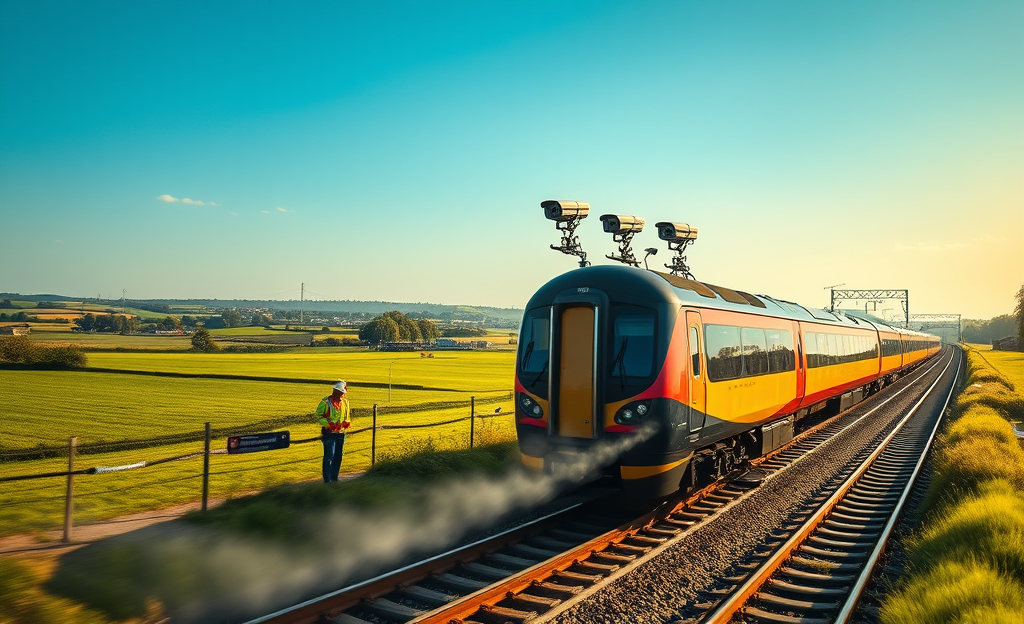
Train Monitoring is taking a significant leap forward with the installation of thermal imaging cameras on the Hotshot commuter train.
This innovative approach, part of a year-long trial, aims to minimize delays by proactively identifying infrastructure issues across various regions, including Surrey and London.
With the potential to prevent disruptions before they escalate, this technology not only enhances operational efficiency but also improves the overall commuter experience.
The article will explore the implementation of these cameras, the success stories from previous trials, and the possible future of thermal imaging in rail transport.
Year-Long Thermal Camera Trial on the Hotshot Commuter Train
Thermal imaging cameras have been fitted to the Hotshot commuter train for a 12-month trial.
These sophisticated cameras are designed to monitor the railway tracks to detect infrastructure issues before they escalate.
The trial, managed and funded by Angel Trains, aims to enhance the reliability of train services by quickly identifying faults and enabling swift responses, which can ultimately lead to a smoother journey experience for commuters.
The trial covers a significant portion of the UK rail network, specifically monitoring rails in Surrey, Hampshire, Berkshire, Dorset, and London.
The primary objective is to identify potential problems early to prevent them from developing into more serious issues, thereby reducing the risk of delays.
By focusing on early fault detection, the trial hopes to facilitate key improvements in the rail infrastructure.
This proactive approach not only reduces disruptions but also assists in maintaining a high level of service reliability, boosting confidence among commuters.
- Improve passenger punctuality.
- Reduce service interruptions.
- Enable proactive maintenance.
How the Thermal Cameras Work
Thermal cameras have been deployed on the Hotshot commuter train to enhance safety and efficiency by monitoring track conditions.
The electrical-fault camera specializes in detecting temperature anomalies that may indicate potential electrical issues, allowing engineers to intervene before these problems escalate.
Meanwhile, the shoe-gear and third-rail camera focuses on assessing the condition of the train’s power delivery systems, identifying wear or irregularities that could lead to delays if left unaddressed.
Electrical Fault Detection
Thermal imaging cameras on trains display an invaluable role in proactive maintenance by identifying electrical hot spots in components such as cabling, transformers, and junction boxes.
As the camera traverses the tracks, it continuously scans for any unusual heat signatures indicative of potential faults.
Once an anomaly is detected
, the system promptly generates real-time alerts to maintenance teams, ensuring rapid intervention.
This approach allows engineers to address issues before they disrupt train services.
By rapidly detecting discrepancies, thermal imaging supports uninterrupted train operations, drastically reducing delays.
Learn more about the technology on the Network Rail website.
Shoe Gear and Third-Rail Monitoring
The second camera’s monitoring of the contact between the shoe gear and the third rail is crucial for identifying potential disruptions.
By detecting temperature anomalies, this system helps engineers pinpoint alignment or contamination issues before they escalate.
Moreover, this proactive surveillance ensures a Reliable power pickup, preventing interruptions that could arise from power losses.
This capability is highlighted by technologies like Third Rail Monitoring by Mersen, which offers advanced insight into the intimate contact between the shoe and rail.
Such innovations are vital in maintaining efficient and delay-free services across the network.
Proven Benefits from the Earlier Pilot
The recent deployment of thermal imaging cameras on the Hotshot train has showcased remarkable results.
During the trial, engineers effectively addressed a fault in Surrey using live thermal data to preemptively identify the issue.
This proactive approach allowed the maintenance team to perform repairs without any service disruptions, showcasing the efficiency of this technology.
In contrast, a similar issue in the past led to 41 hours of disruptions, highlighting the valuable impact these cameras have on maintaining smooth operations.
This advancement underscores the strategic adoption of thermal imaging to enhance rail service reliability.
The difference is stark when comparing outcomes from similar incidents.
Before the installation of these cameras, the identification and repair of track faults relied on visual and scheduled inspections, leading to delayed problem detection.
Now, with the thermal cameras in place, issues are swiftly diagnosed and addressed before escalating.
This approach has not only saved time but also significantly improved commuter satisfaction on the Network Rail’s monitored tracks.
| Scenario | Outcome |
|---|---|
| Before Cameras | 41 hrs delay |
| With Cameras | 0 hrs delay |
Potential Expansion and Angel Trains’ Leadership
Angel Trains is playing a pivotal role in the ongoing initiative to integrate innovative railway technology.
By funding and managing the trial of thermal imaging cameras, Angel Trains ensures proactive infrastructure monitoring across vital routes in Surrey, Hampshire, Berkshire, Dorset, and London.
This endeavor, if successful, will pave the way for expanding this technology to more trains, drastically reducing potential delays by swiftly identifying faults before they affect the network.
The current trial exemplifies Angel Trains’ commitment to enhancing the quality of the UK rail industry and addressing commuter frustrations with smart solutions.
Through this strategic vision, Angel Trains sets the stage for advancements that could revolutionize how infrastructure issues are tackled.
More reliable journeys may soon become the norm.
In conclusion, the deployment of thermal imaging cameras represents a promising advancement in train monitoring.
If the trial proves successful, we can expect wider adoption, leading to safer and more reliable train services for commuters.



0 Comments