Nuclear Energy Supports Decarbonization Efforts
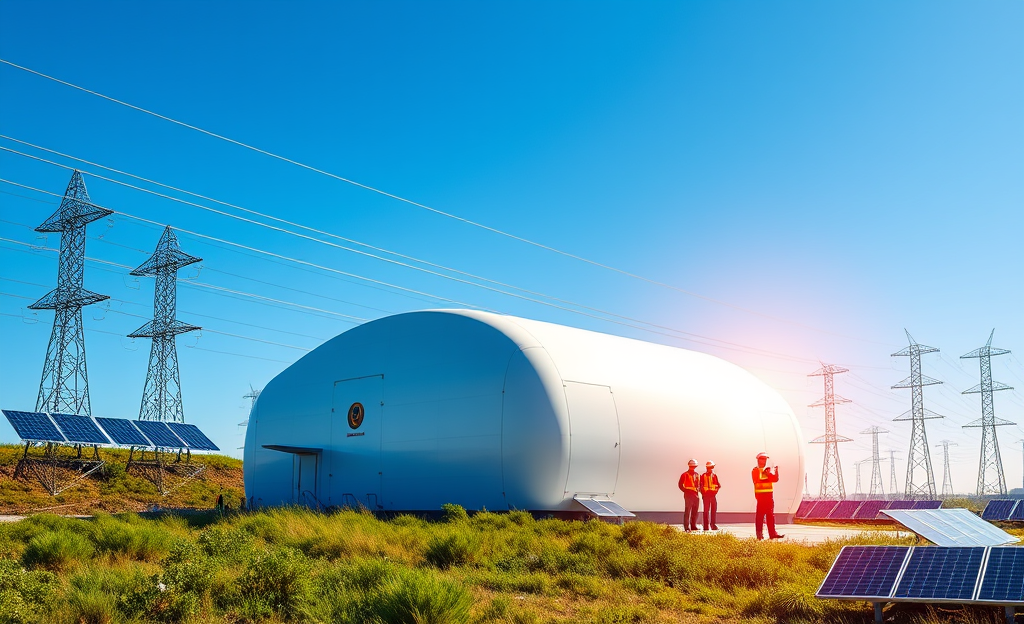
Nuclear Energy plays a pivotal role in the global transition towards a low-carbon future.
As nations strive to meet climate goals and reduce greenhouse gas emissions, nuclear power emerges as a reliable and efficient energy source.
This article will explore the significant contributions of nuclear energy to decarbonization, the sector’s commitment to expanding capacity by 2050, and the integration of innovative technologies like small modular reactors.
Furthermore, we will discuss the importance of coordinated efforts to harmonize nuclear energy with renewable sources in the broader context of climate strategies.
Nuclear Energy and Decarbonization: A Global Perspective
Nuclear energy plays a pivotal role in the global effort to reduce carbon emissions, providing a substantial portion of the world’s clean energy.
Currently, it generates 10% of global electricity, a testament to its efficiency and reliability.
This consistent output supports national grids around the world, ensuring energy security while significantly contributing to climate goals.
Moreover, as a trusted source of low-carbon power, nuclear energy contributes roughly a quarter of all low-carbon electricity.
Its integration into energy systems worldwide showcases its capacity to complement other renewable sources, such as solar and wind, thereby forming a cohesive and sustainable energy framework for the future.
- Zero direct CO2 emissions
- Minimizes land use compared to other energy sources
- Reduced particulate air pollution
Nuclear technology has evolved to address modern challenges, with innovations like Small Modular Reactors (SMRs) that offer scalable and flexible energy solutions.
These advancements make nuclear power more accessible to regions with limited infrastructure, aligning with global climate strategies.
The lifting of the World Bank’s financing ban on nuclear projects further underscores a growing recognition of its value in mitigating climate change.
By collaborating with renewable energy technologies, nuclear power not only contributes to decarbonization but also strengthens global energy resilience.
Such partnerships are crucial as nations aim to reduce their carbon footprints and shift towards sustainable energy systems.
Sector Commitment to Tripling Capacity by 2050
The nuclear sector’s pledge to triple capacity by 2050 aligns with global efforts to address rising energy demands and achieve climate mitigation goals.
As highlighted in a recent
Department of Energy’s nuclear targets”>U.S. Department of Energy roadmap
This commitment has garnered international support, with 33 countries advocating for nuclear energy’s essential role in a low-carbon future.
Moreover, the incorporation of new technologies, such as small modular reactors (SMRs), enhances scalability and adaptability to regional infrastructure needs, further supporting the sector’s ambition.
Relevant to the success of this plan is the global pledge to expand nuclear energy, underscoring its importance in securing a sustainable energy transition.
Coordinated global action thus remains paramount for effectively integrating nuclear energy into broader climate strategies.
Nuclear as Reliable Baseload Power for Energy Security
Reliable baseload electricity from nuclear power plants plays a pivotal role in maintaining national energy security by ensuring a consistent supply of electricity, irrespective of external vulnerabilities.
As noted by the ScienceDirect’s exploration of nuclear energy, nuclear power provides a stable energy output, capable of meeting base-load demand even when other sources falter.
This reliability is crucial in preventing energy shortages and maintaining the smooth functioning of essential services.
With the global reliance on electricity expanding, and as efforts increase to reduce carbon emissions, nuclear energy emerges as a key player.
Unlike other energy sources that may fluctuate due to weather conditions, nuclear power’s consistent and predictable output contributes to a stable and secure grid.
- Constant output regardless of weather
- Enhances grid stability
- Reduces dependency on fossil fuels
Advances in Small Modular Reactors (SMRs)
Small Modular Reactors (SMRs) represent a revolutionary advancement in nuclear technology, offering a solution uniquely suited for regions with limited infrastructure.
They are versatile, addressing energy demands with a minimal footprint.
Unlike conventional reactors that require massive space and resources, SMRs are compact and adaptable.
This enables them to be installed in diverse locales, from remote areas to urban settings.
Furthermore, their scalability means that they can be implemented incrementally and expanded as needed, matching growing energy requirements of a community without necessitating immediate large-scale infrastructure development.
A major advantage of SMRs lies in their ability to significantly reduce deployment time.
Traditional nuclear plants may take up to a decade for construction, whereas SMRs can be operational in less than five years.
This swift deployment is crucial for meeting urgent energy demands.
Below is a comparison between traditional reactors and SMRs:
| Feature | Traditional | SMR |
|---|---|---|
| Size | Large | Compact |
| Deployment Time | 10+ years | Less than 5 years |
| Scalability | Limited | High |
This comparison makes it evident that SMRs are prominent candidates in the pursuit of expanding nuclear energy capability.
They provide a dependable and scalable nuclear power source that complements renewable energy efforts and bolsters energy security efficiently.
Nuclear Projects within Nationally Determined Contributions
The increasing inclusion of nuclear energy projects within Nationally Determined Contributions (NDCs) reflects a significant shift in international climate policy, highlighting its relevance for global decarbonization efforts.
The embrace of nuclear power in NDCs is driven by its potential to offer a dependable and low-carbon electricity source, playing a pivotal role in achieving ambitious climate targets.
As nations aim to balance energy security with environmental impact, nuclear energy’s baseload capability becomes indispensable, complementing intermittent renewable sources.
Moreover, the advancements in small modular reactors (SMRs) provide scalable solutions, making it feasible for nations lacking extensive infrastructure to include nuclear in their climate strategies.
This alignment with climate goals is further supported by the semi-systematic review that underscores nuclear’s role in climate policy integration.
Ultimately, the integration of nuclear energy into NDCs underscores its essential contribution to global climate objectives, driving the need for concerted international action to harness its full potential.
World Bank Decision to Finance Nuclear Projects
The recent decision by the World Bank to lift the ban on nuclear financing marks a significant turning point in the global energy landscape.
By enabling access to increased funding, this pivotal move opens new avenues for the nuclear sector, particularly in emerging economies.
This development not only assures the scalability of projects like Small Modular Reactors (SMRs) but also sets a foundation for integrating nuclear energy into countries’ Nationally Determined Contributions (NDCs), reinforcing it as a sector milestone.
According to a report on the World Bank, this change can lead to a surge in financing for emissions-free power solutions, effectively bolstering energy security and supporting global climate goals.
The broader implications of this shift highlight nuclear energy’s role as an indispensable partner to renewables, urging coordinated action to harness its full capacity.
Nuclear and Renewables: Partners in the Energy Transition
Nuclear and renewable energy sources form a powerful synergy in the energy transition, each acting as complementary forces to achieve a low-carbon future.
Nuclear energy provides a consistent and reliable baseload supply, effectively addressing the intermittency challenges often posed by renewables like solar and wind.
Through this partnership, the benefits of grid balance, diversified supply, and a reduced carbon footprint become evident.
By operating alongside and integrating with renewable technologies, nuclear power ensures that energy supply remains stable even when renewable production fluctuates.
This synergy is vital for countries striving to meet their Nationally Determined Contributions.
However, the realization of this potential requires coordinated global action, encompassing policy support, innovation in technology, and international collaboration.
Modern advancements such as small modular reactors (SMRs) offer scalable solutions, making nuclear energy accessible even in regions with limited infrastructure.
Furthermore, initiatives like the NICE Future initiative emphasize these innovative approaches, spotlighting nuclear’s role in a sustainable energy system.
With global efforts to expand nuclear capacity and integrate it into broader climate strategies, this partnership fosters an environment conducive to achieving energy security and a sustainable future.
Nuclear Energy stands as a crucial partner in the energy transition, reinforcing the need for global collaboration to maximize its potential.
By fostering innovation and integrating low-carbon technologies, we can ensure a sustainable and secure energy future.



0 Comments