New Method Measures Economic Value of Animal Welfare
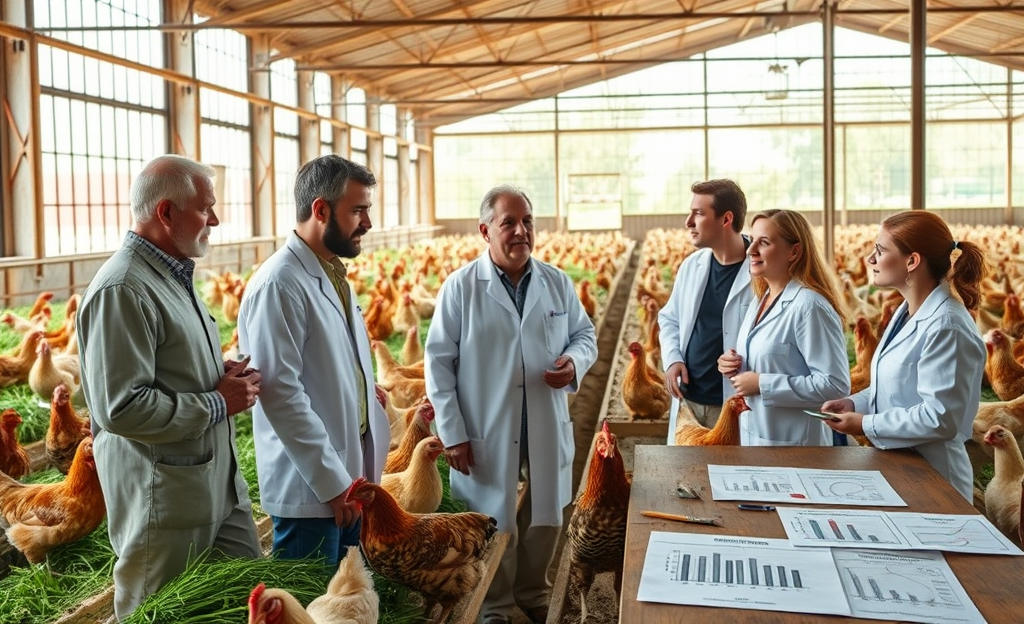
Animal Welfare is a crucial aspect of modern farming practices, and understanding its economic implications is essential.
This article explores a groundbreaking method for measuring the economic value of improvements in farm animal welfare, highlighting a new scoring system that evaluates the well-being of animals.
With insights from a panel of independent scientists, the findings reveal the willingness of British families to invest in enhanced welfare conditions for caged hens, demonstrating the societal commitment to ethical farming.
We will delve into the impact of increased space for birds and the overall public support for welfare regulations.
Innovative Economic Measurement of Farm Animal Welfare
The newly developed 0–100 welfare scale provides a groundbreaking approach to understanding farm animal welfare scores.
This innovative measurement ranges from 0, indicating extreme suffering, to 100, which signifies the optimal level of welfare, emphasizing the importance of animals’ physical health, mental state, and the opportunity to engage in natural behaviors.
This system connects to economic valuation by attaching monetary significance to welfare improvements, showcasing the tangible benefits of humane practices.
An independent panel of 13 scientists meticulously reviewed various farming systems, offering a robust framework for setting animal welfare policies.
The ability to link financial metrics to welfare scores is pivotal for the future of farming policy, as it underscores the economic impact of transitioning to higher welfare standards.
For instance, the research revealed that British families are willing to pay substantial amounts to improve the welfare of caged hens, demonstrating a clear demand for enhanced animal welfare.
These findings underscore a growing moral obligation perceived by 85% of respondents to protect animal welfare and the strong support among the public for regulation improvements, driving policy changes.
By integrating these metrics, the 0–100 scale provides a vital tool to foster advances in both animal welfare and sustainable economic practices.
Scientific Evaluation by a 13-Member Panel
The evaluation process executed by the panel of 13 independent scientists meticulously scrutinized various farming systems, using a comprehensive approach to assign welfare scores on a scale from 0 to 100. This method framed each score by examining three core criteria:
- physical health
- mental welfare
- natural behaviors
Collectively, these aspects target the animals’ ability to thrive within their environments.
Importantly, the scientists’ approach considered not only the animals’ physical conditions but also their emotional states, ensuring an encompassing overview of welfare standards.
Furthermore, the panel dove deep into understanding how these animals could express their innate behaviors, recognizing the vital role environmental enrichment plays in their overall well-being.
Their dedication stresses the significance of implementing systems that encourage happier and healthier lives for farm animals.
Meanwhile, this method conveys a new perspective on how society values animal welfare, reflecting values in economic terms as detailed in BBC News Study findings on the willingness to pay for enhanced animal welfare.
This holistic assessment ensures regulations can adapt to protect and enhance the quality of life for farm animals, aligning with the 86% of respondents who support such measures.
Economic Impact of Switching 21% of Hens to Free-Range
The recent research underlines the substantial public financial commitment of British families towards animal welfare.
The study indicates a willingness to invest £496 million annually to convert 21% of hens from caged to free-range conditions.
This transition reflects not only a shift in consumer values but also a keen market signal for ethical farming practices, where every egg from this initiative would cost an additional 20p.
Such spending choices signal to producers the growing demand for higher welfare standards, compelling them to consider such enhancements in their operations.
Notably, increasing the available space per bird significantly boosts the welfare score, which, in turn, enhances the overall quality of life for these animals.
The data aligns with broader consumer sentiments, as evidenced by the findings from this study, demonstrating that 85% of individuals recognize a moral imperative in supporting animal welfare.
By prioritizing the ethical treatment of animals, families collectively express their values through purchasing decisions, underscoring their belief in the importance of these ethical and humane food production systems.
Their investment effectively drives changes in agricultural practices and reinforces the momentum towards improving farm animal welfare standards across the industry.
Welfare Gains from Increasing Space per Bird
Increasing the space available to each bird in farming systems significantly elevates their welfare scores from 38 to 47, bringing not only moral and ethical satisfaction to consumers but also presenting an economic value of £997 million annually, equivalent to 92p per bird.
Many British families recognize the moral duty to improve animal welfare, as shown by a study where 85% of respondents support regulations for welfare improvements for farm animals.
Larger living spaces for birds positively affect their physical health, mental well-being, and ability to express natural behaviors, ultimately enhancing their quality of life.
This is particularly crucial during their final week before slaughter, where improved conditions can have a profound impact.
According to a RSPCA Chicken Welfare Report, such shifts towards enhanced animal welfare standards align with rising consumer demand for higher-welfare products.
Below is a table that compares the current and improved scenarios:
| Scenario | Welfare Score | Annual Value |
|---|---|---|
| Current | 38 | – |
| Improved | 47 | £997 million |
Public Attitudes and Support for Welfare Regulation
Public attitudes toward animal welfare are increasingly supportive of ethical standards.
Recent studies highlight that 85% of respondents acknowledge a moral duty to protect farm animals, reflecting widespread concern for animal well-being.
This sentiment is further strengthened by the fact that 86% of people advocate for regulatory support to enhance welfare benchmarks across all farming systems.
These figures underscore a significant shift in public opinion, as more individuals demand higher standards of care and living conditions for farm animals.
Consequently, policymakers are under pressure to implement laws that improve animal welfare.
The collective willingness to invest substantial resources, such as British families contributing £496 million annually to transition caged hens to free-range systems, exemplifies society’s commitment.
Every incremental uplift in welfare scores, driven by better environments and practices, stands to benefit both the animals and the public’s ethical stance.
Recognizing this shifting landscape, stakeholders in food production and agriculture must consider these preferences to align with contemporary moral and ethical expectations.
Society clearly backs stronger farm-animal protections.
Animal Welfare is not just a moral obligation but also an economic consideration, as demonstrated by the research findings.
The clear public support and financial commitment to improving farm animal welfare underscores the importance of prioritizing humane practices in agriculture.



0 Comments