Proposal to Eliminate Second Tunnel for Rail Expansion
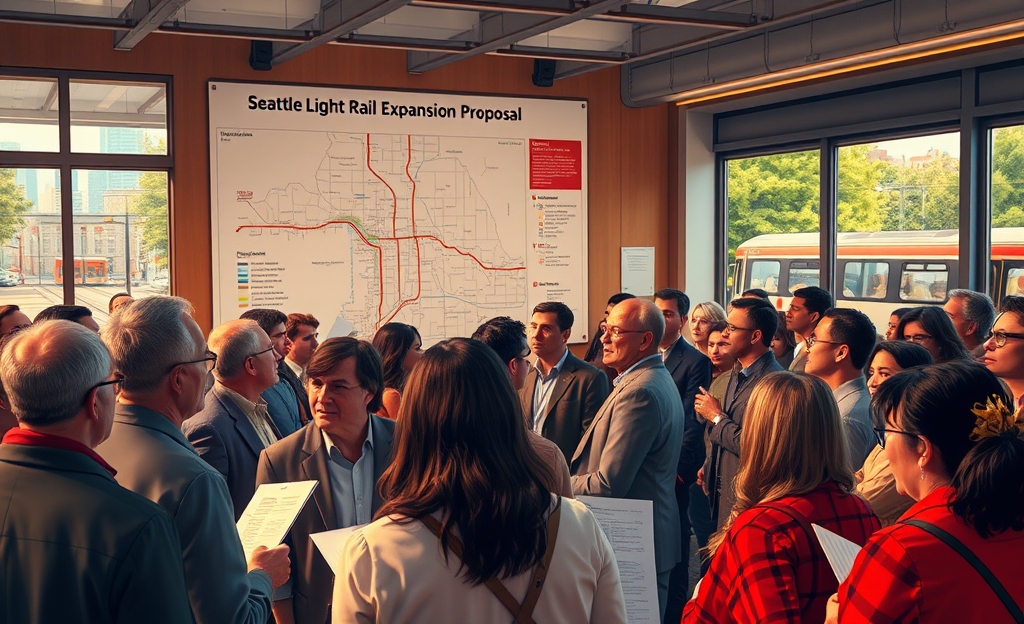
Rail Expansion in Seattle is facing significant scrutiny as budget constraints loom over the proposed projects.
On September 5, 2025, a proposal was introduced to eliminate a second tunnel aimed at expanding the light rail system.
This decision, prompted by a staggering $30 billion budget deficit, seeks to cut costs by up to $11 billion while minimizing disruptions in the Chinatown International District.
As stakeholders voice their concerns over potential impacts on key stops and connections, the future of light rail expansion remains uncertain.
This article will delve into these proposals and their implications for Seattle’s transportation landscape.
Proposal and Financial Rationale
On September 5, 2025, Seattle officials announced a transformative proposal aimed at eliminating the second tunnel originally planned for the city’s light-rail expansion.
This strategic decision seeks to prioritize cost management and reduce the substantial budget deficit facing the project.
Removing the second tunnel aligns with the city’s effort to maintain a dynamic and actionable approach to transportation infrastructure, ensuring that the project’s core objectives remain intact while addressing financial challenges.
By focusing on these adjustments, city officials hope to foster continued public trust in the light-rail initiative while mitigating potential disruptions to the Chinatown International District area.
Seattle’s light-rail expansion faces a formidable up to $30 billion budget deficit, prompting the search for viable cost-saving measures.
The proposal heralds projected savings of $8 to $11 billion, presenting a potential remedy to the financial predicament.
The decision highlights key fiscal advantages:
- Significant reduction in overall project costs.
- Enhanced allocation of resources for other prioritized lines like Everett to Tacoma.
- Minimized disruption in sensitive community areas.
By restructuring the expense, Seattle strives to keep its vision for public transit expansion alive and robust, ensuring that taxpayer investments serve their intended purpose without undue financial strain.
Connectivity Concerns for South Lake Union, Seattle Center, and Ballard
Following the proposal to eliminate a second tunnel for Seattle’s light rail expansion, concerns among residents and businesses have intensified.
The proposal aims to address a budget deficit, but it has sparked worry over the future of stops in South Lake Union and Seattle Center.
These key stops not only serve bustling areas but also play a crucial role in the connectivity of the entire system, influencing commuter access to Ballard.
Residents are apprehensive that the rerouting of lines might create potential service gaps, potentially disrupting reliable access to these core stations.
If South Lake Union and Seattle Center lose direct service, it might necessitate additional transfers for commuters heading towards Ballard.
Such changes could lengthen travel times, undermining the much-promised convenience that the system was expected to deliver.
Furthermore, according to Ballard Link Extension plans, this area is projected to attract high ridership and cutting costs might dissuade potential users.
The community values seamless connectivity, but the potential disruptions threaten to erode confidence, posing challenges not only for daily commuters but also for businesses counting on steady foot traffic.
Addressing these concerns is vital to maintaining the integrity and appeal of Seattle’s light rail vision.
Strategic Prioritization and Future Milestones
Officials advocate prioritizing the Everett-to-Tacoma corridor, asserting that this segment will serve the region’s highest ridership sooner and justify early investment.
Simultaneously, testing on the Bellevue-to-Seattle segment is advancing toward a 2026 launch, reinforcing momentum even while broader redesigns unfold.
Everett to Tacoma Line Takes Precedence
Community members are rallying behind the decision to prioritize the Everett to Tacoma line, sensing an opportunity to maximize transit benefits for a larger group of commuters.
By choosing to focus on this corridor, transit planners are expected to ease fiscal strains significantly.
Numerous voices in the community believe that concentrating on the core north-south axis will maintain the system’s integrity and uphold its promise to enhance public transit access.
This strategic direction promises to serve a broader demographic, extending advantages to various neighborhoods along the spine.
Officials endorse the shift in focus toward the Everett and Tacoma linkage, citing it as a strategic move to alleviate financial pressures.
By deferring the proposed expansions to Ballard and West Seattle, the decision prioritizes the immediate feasibility of the project.
Mayor Harrell, in particular, is vocal about the necessity of resource reallocations to fortify the core transit routes.
As the Sound Transit Board considers fiscal realities, the wider network connectivity remains a critical factor, ensuring resilience and credibility in ongoing and future operations.
Testing Schedule and Service Launch for Bellevue–Seattle Extension
Train sets on the Bellevue-to-Seattle guideway are steadily advancing through test runs, focusing on trial speeds, signaling, and platform alignment exercises.
Safety checks are an integral part of these trials, underscoring the commitment to maintaining stringent safety standards.
Despite the looming redesign debates, officials have expressed confidence in an on-time delivery, ensuring the service starts as planned in 2026.
This schedule aligns with the overall progress of the project’s phases, enhancing connectivity across the region.
The meticulous approach to testing reflects the broader aim to deliver a reliable transportation option, meeting both technical and community needs efficiently.
In conclusion, the ongoing discussions surrounding Seattle’s light rail expansion highlight the complexities of urban planning amidst financial challenges.
As final recommendations are anticipated in 2026, the city’s transport future hangs in the balance, requiring careful consideration of priorities and community impacts.


0 Comments