Tūhono Electric Train Fleet Enhances Connectivity
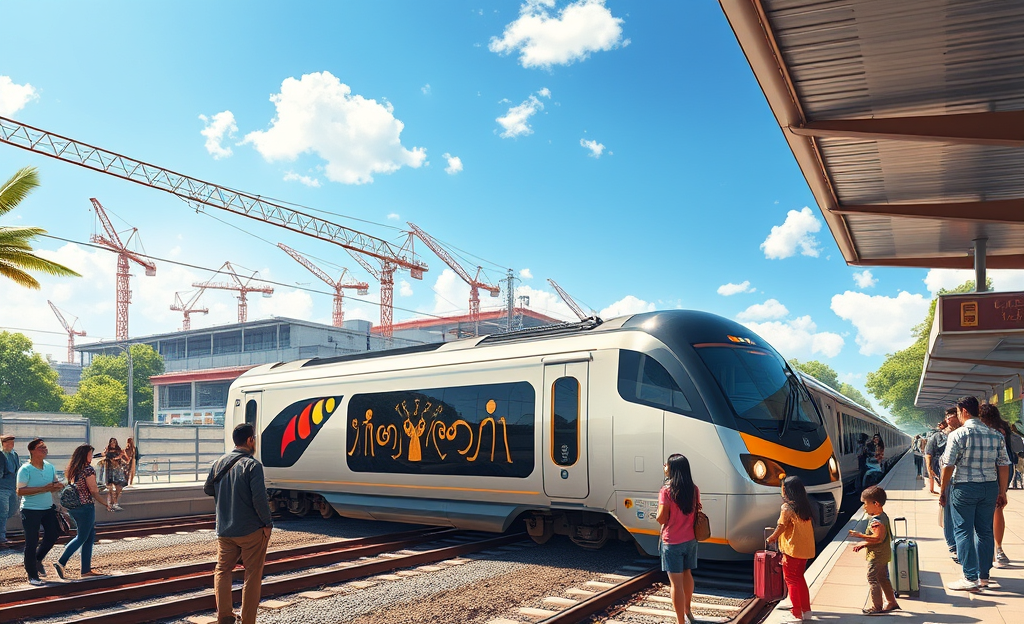
Electric Train innovations are set to revolutionize transportation in the Southern Hemisphere with the introduction of Tūhono, a groundbreaking fleet of battery electric trains.
This project, backed by a substantial contract over 35 years, aims to enhance connectivity between urban and regional communities in New Zealand.
Co-funded by regional councils and the government, Tūhono promises not only to improve travel efficiency but also to inspire eco-friendly transportation solutions.
With plans for 18 state-of-the-art trains and significant infrastructure upgrades, the Tūhono project marks a significant step towards modernizing New Zealand’s railway system and addressing pressing issues like road congestion.
Overview of the Tūhono Battery-Electric Train Project
The Tūhono battery-electric train project marks a significant leap in New Zealand’s transportation landscape, heralding the 1.066 million New Zealand dollar contract spread across 35 years as a pioneering effort in developing the first battery-electric fleet in the Southern Hemisphere.
With the numerous innovative strides this project brings, it is bound to revolutionize rail connectivity by enhancing sustainable transportation options.
This initiative draws strength from a co-funded investment by regional councils and the Government, fostering collaboration to ensure a seamless and efficient execution of the project.
As Tūhono aims to fortify connections between urban and regional locales, the project’s ambition encapsulates increasing service frequency by 2030, particularly during peak hours, as well as establishing faster travel solutions for communities.
The involvement of Mana Whenua in the design and execution process reinforces the cultural authenticity and real-world relevance of the fleet, promising an end result that appreciates New Zealand’s heritage while pushing towards productivity and reduced road congestion.
With production in India, the trains will be adorned with meaningful designs from an indigenous design company, further underlining the project’s commitment to cultural inclusivity and sustainability.
Fleet Specifications and Travel Enhancements
The Tūhono train fleet introduces a revolutionary mode of transport with 18 five-car units that promise to redefine the rail experience in the Southern Hemisphere.
These modern trains are expected to commence services by 2030, marking a significant advancement in technology and connectivity.
With these trains, the anticipated significant boost in peak capacity will be complemented by improved travel times and frequency.
| Feature | Specification |
|---|---|
| Train Sets | 18 five-car units |
| Launch Year | 2030 |
| Peak Capacity Boost | Significant |
The integration of faster acceleration and innovative bi-mode (battery/overhead) technology is pivotal in reducing journey times, thus enabling more frequent services between urban and regional communities.
Faster acceleration not only shortens the travel time but also enhances service reliability.
Meanwhile, the bi-mode capability ensures seamless transition on different track segments, making it possible to maintain high efficiency and reduce travel times across various routes.
The project, with the support of Mana Whenua, aligns with New Zealand’s vision of improving provincial productivity and easing road congestion, ultimately providing an accessible and enhanced commuting experience for all passengers.
Railway Infrastructure Upgrades
The ambitious project to introduce the Tūhono battery-electric trains in the Southern Hemisphere brings significant railway infrastructure upgrades, enhancing connections between urban and regional areas starting in 2030. Central to these advancements is the construction of a new maintenance depot in Masterton, which facilitates Tūhono’s operation and accessibility.
Concurrently, comprehensive station upgrades along the lines serviced by these trains will improve efficiency and user experience as a whole.
The infrastructure designed supports sustainability goals and economic stimulus by reinforcing connectivity.
- New Masterton depot for maintenance and charging
- Upgraded stations on the Manawatū line
- Increased capacity at peak times
- Enhanced facilities for passenger comfort
Each improvement is pivotal for ensuring the seamless operation of the Tūhono fleet.
The depot significantly aids in regularly maintaining the fleet, effectively extending the trains’ lifespan, while the upgraded stations provide relevant accessibility and improved service delivery to passengers, fostering better local and regional transit experiences.
Production and Indigenous Design Integration
The Tūhono battery-electric trains will be constructed in India, leveraging Indian manufacturing expertise to ensure the highest quality standards and efficiency.
By partnering with Alstom, a leader in sustainable mobility solutions, the production process incorporates stringent quality controls, ensuring that these trains meet the demands of New Zealand’s ambitious sustainable transport goals.
Overseeing the project, Alstom ensures that the trains are not only built to last but also align with New Zealand’s vision of zero direct emissions.
This collaboration highlights India’s capacity in producing technologically advanced infrastructure solutions for global needs.
Complementing the technical prowess is the culturally resonant design, imbued with indigenous symbols crafted by a Māori-owned firm, Indigenous Design and Innovation.
These symbols, integrated with the train’s livery, are infused with cultural significance, enhancing the aesthetic appeal of the fleet.
The design approval from Mana Whenua emphasizes cultural sensitivity and inclusion.
This aspect reflects a harmonious blend of modern engineering and rich cultural heritage, making the Tūhono trains a symbol of unity and progress.
Project Goals: Productivity and Road-Congestion Reduction
The Tūhono battery-electric trains represent a transformative shift in regional transport by significantly boosting rail capacity.
This enhancement directly facilitates faster, more frequent commutes, providing vital access to urban centers for work, education, and recreation.
As these trains transition from the current locomotive-hauled carriages, breakdowns decrease, and service reliability improves.
This efficiency empowers workers to arrive punctually, amplifying productivity.
With improved connectivity, businesses thrive, fostering economic growth throughout the provinces.
Meanwhile, as commuters increasingly opt for this seamless service, road traffic eases, alleviating congestion.
This reduction in cars not only streamlines roadways but also improves air quality, enhancing residents’ quality of life.
Thus, the Tūhono trains not only elevate provincial productivity but also lay the groundwork for sustainable economic progress and greener, more efficient transit systems.
Electric Train initiatives like Tūhono exemplify the future of sustainable public transport, fostering economic growth and enhancing community accessibility while supporting indigenous design and local productivity.


0 Comments