Vivergo Fuels Closes After Government Decision
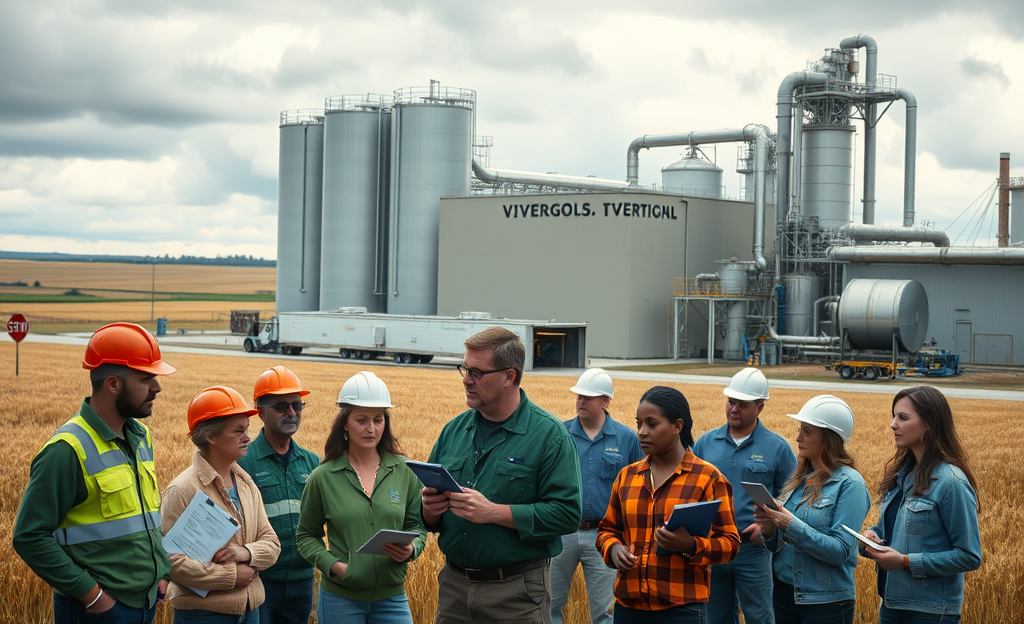
The closure of the Vivergo Fuels plant, the UK’s largest bioethanol facility, marks a significant turning point for the bioethanol industry in the UK.
This article will delve into the implications of this shutdown, examining the impact of a recent trade agreement with the U.S. that has rendered bioethanol operations financially unviable for major producers like Vivergo and Ensus.
We will explore the consequences for jobs and the supply chain, as well as discuss the government’s response to industry challenges and criticisms from trade unions advocating for a sustainable energy strategy in the UK.
Closure of Vivergo Fuels Plant After Rescue Package Refusal
Vivergo Fuels, renowned as the UK’s largest bioethanol facility, faces closure following the government’s decision to decline financial assistance.
This decision came in light of the broader governmental stance that providing direct funding would not adequately address the long-term challenges of the bioethanol industry.
Yet, this closure marks a significant setback, considering the facility’s vital role in the production of bioethanol, a key product in the nation’s strategy for sustainable fuel use by 2030.
Located in Hull, the plant represents a substantial part of the domestic bioethanol production.
Its operations have contributed significantly to sustainable energy initiatives, turning crops like wheat into bioethanol, and supporting numerous jobs both directly and within the supply chain.
As indicated by the impact on Sky News’ report on the government stance, the closure will lead to job losses and reflects broader economic challenges following the UK’s trade agreements removing tariffs on ethanol imports.
The ripple effects from this plant’s closure are far-reaching.
The impact extends to approximately 270 employees, but also potentially thousands more in the broader supply network.
With Ensus, the second-largest plant, also expressing concern over viability, the overall health of the UK’s bioethanol sector remains precarious, underscoring the need for a more robust energy strategy and sustainable industry support from the government.
Effect of the UK–U.S. Trade Pact on Domestic Bioethanol Producers
The recent trade agreement between the UK and the U.S. has led to significant developments in the bioethanol industry.
The tariff removal on U.S. ethanol has ushered in a sweeping change, collapsing a former safeguard that allowed domestic producers to maintain competitiveness.
With the 19% tariffs gone, as noted in the pact, the UK market now faces an influx of U.S. ethanol that satisfies the nation’s entire demand under a 1.4 billion-liter quota, detailed in the agreement from Reuters’ analysis.
This pivotal shift renders domestic operations of Vivergo Fuels and Ensus economically untenable.
Vivergo, ardently highlighting the detrimental impact, suggests this new market dynamic leaves them unable to compete effectively.
In a statement to the press, they remarked that this trade shift “destroyed the UK market for their products,” as further elaborated in Argus Media’s insights.
Ensus echoed similar sentiments, indicating that the surge of inexpensive ethanol imports threatens their continued viability, jeopardizing supply chains and labor contributions crucial to the industry.
Analysts suggest this development underscores a broader need for a sustainable energy strategy to harness domestic capabilities effectively.
Employment Losses and Supply-Chain Disruption
As the Vivergo Fuels plant in the UK prepares to close its doors, approximately 270 valued employees face job losses, casting a shadow over their livelihoods and future employment prospects.
The shutdown’s impact extends far beyond the facility’s walls, affecting families and communities who depend on these jobs for their day-to-day survival.
This drastic measure not only puts a significant number of positions at risk but also resonates through various sectors of the regional economy.
- 270 direct employees at risk
- Thousands more in the supply chain affected
- Potential loss of 4,000 jobs in total
- Significant impact on local agricultural production
The closure’s repercussions are felt deeply as farmers who supply the plant with crops like wheat could face financial uncertainty due to reduced demand.
Additionally, those within the logistics sector, including hauliers transporting goods, also experience economic pressure from this development.
Regional businesses that rely on the plant’s operational activities might encounter decreased commerce, affecting local economies.
This situation highlights the interconnectedness of sectors and stresses the urgent need for sustainable business strategies to safeguard regional prosperity.
Government Rationale for Withholding Direct Funding
The UK government’s decision to withhold direct funding from the bioethanol industry, namely Vivergo Fuels, is based on their stance that financial aid would not effectively address the sector’s inherent long-term challenges.
The recent trade agreement eliminating tariffs on ethanol imports has intensified industry vulnerabilities, making the economic environment more challenging.
However, the industry, represented by companies like Vivergo and Ensus, argues that the immediate threat of plant closures compromises the country’s sustainable fuel objectives by 2030. Vivergo highlights the crucial role of bioethanol derived from crops in achieving these goals.
| Government Position | Industry Response |
|---|---|
| Direct funding will not resolve long-term challenges | Plants warn immediate closure threatens 2030 fuel goals |
The spokesman said the Government would not offer any direct funding as it would not provide value for the taxpayer or solve the long-term problems the industry faces
Trade Union Critique and Call for a Coherent Energy Strategy
Trade union leaders have expressed significant criticism of the government’s refusal to support the Vivergo Fuels plant, pointing to its detrimental impact on workers and the UK’s renewable energy sector.
They argue that without governmental backing, the closure of the nation’s largest bioethanol facility, as detailed in this article, marks an act of economic self-harm.
By eliminating tariffs on US ethanol imports, the government has endangered local industry, leaving hundreds of employees and supply chain workers vulnerable.
Trade union representatives emphasize the need for substantial adjustments to trade agreements to protect UK jobs and industries.
Amidst the growing crisis, union leaders are pushing for a coherent and sustainable energy strategy to salvage the industry’s future and ensure energy security.
They underscore the importance of maintaining facilities like Vivergo, which play a crucial role in increasing sustainable fuel usage, a priority highlighted by upcoming targets for 2030. Trade unionists assert that the government must develop policies that prioritize green energy and worker security, as seen in [this news source](Bioethanol layoffs).
They call on ministers to deliver clear plans that align trade practices with long-term economic and environmental goals, ensuring sustainability in the fuel sector.
Role of Bioethanol in Meeting the UK’s 2030 Sustainable Fuel Target
The UK’s commitment to increasing sustainable transport fuels by 2030 hinges significantly on the role of bioethanol derived from crops like wheat.
As a crucial component of the UK’s roadmap to reduce greenhouse gas emissions, bioethanol provides a viable alternative to fossil fuels, delivering substantial environmental benefits.
The Renewable Transport Fuel Obligation (RTFO), a strategy for reducing emissions, is slated to include higher sustainable fuel targets and incorporating bioethanol is paramount for its success.
The cessation of operations at the Vivergo Fuels plant underscores a significant setback in meeting these objectives, revealing vulnerabilities in the UK’s capacity to produce enough bioethanol domestically.
Without key facilities like Vivergo and Ensus, the ambitious 2030 targets become increasingly challenging to meet.
The recent trade agreements allowing US ethanol imports without tariffs exacerbate this challenge by making local production less competitive, thus increasing reliance on imports.
This scenario threatens the internal growth potential of the UK’s bioethanol sector, undermining its role in the broader green energy transition.
However, bioethanol remains integral to reducing emissions as part of the wider energy transition strategy.
To mitigate the impact of production shortfalls, the UK government could explore diversifying feedstocks and technologies, ensuring that the trajectory towards greener transport fuels remains on track.
Engaging stakeholders to develop a foreseeable RTFO scheme that champions domestic biofuel advancements will be vital to reinforcing local industry resilience and meeting decade-long sustainability goals.
The fallout from the Vivergo Fuels closure underscores the urgent need for a comprehensive strategy to support the bioethanol sector and protect jobs.
Without decisive action, the UK risks jeopardizing its sustainable fuel initiatives and energy security.



0 Comments