Winter Plumbing Preparation Checklist for Pipes
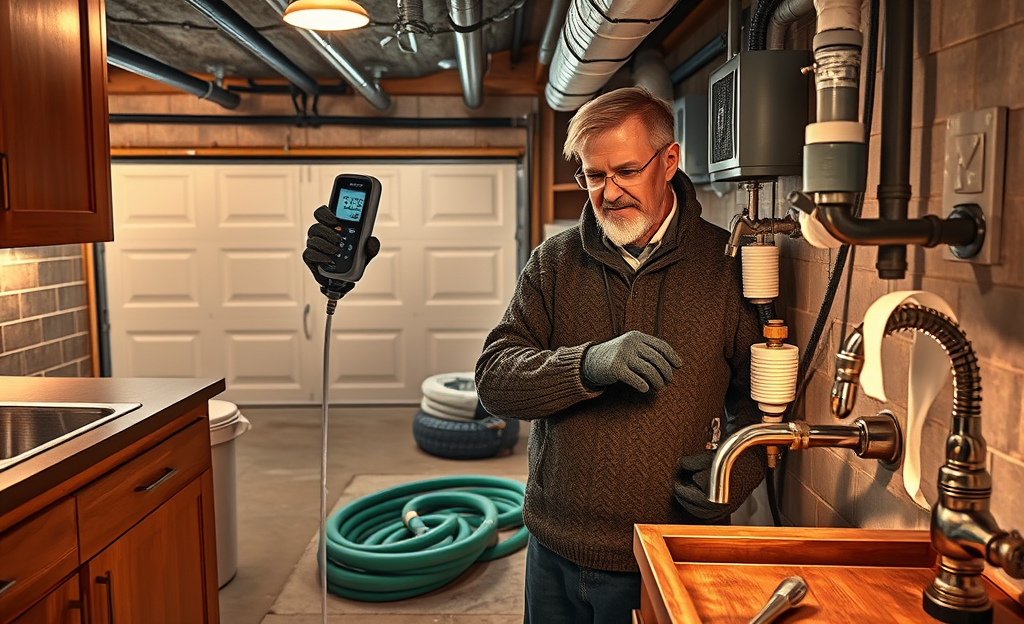
Winter Plumbing is an often overlooked aspect of home maintenance, yet it plays a crucial role in ensuring a safe and functional environment during the cold months.
As temperatures drop, the risk of frozen pipes increases, potentially leading to costly repairs and water supply disruptions.
This article will delve into essential practices to prepare your plumbing for winter, covering topics such as temperature checks, insulation of exposed pipes, and preventative measures to safeguard your home.
By taking proactive steps, you can effectively minimize the risk of plumbing issues and enjoy a worry-free winter season.
Essentials of Winterizing Household Plumbing
Preparing your plumbing for winter is crucial not only for maintaining a steady water supply but also for avoiding expensive repairs and disruptions in service.
Without proper winterization, pipes can freeze and eventually burst, leading to devastating water damage inside your home.
Homeowners need to take proactive measures to safeguard their plumbing systems and ensure a smooth winter.
Start by insulating exposed pipes and faucets, which acts as a protective shield against the bitter cold.
Additionally, keep garage doors closed to prevent cold air from seeping in and lowering indoor temperatures.
It’s also wise to disconnect outdoor garden hoses to prevent any remaining water inside them from freezing and expanding, which can cause them to crack.
Moreover, allowing a small stream of water to run from faucets during freezing weather can relieve pressure buildup in the pipes.
Don’t forget to open cabinet doors under sinks to allow warmer air to circulate around the plumbing, reducing the risk of freezing.
These strategic steps, when combined, offer a comprehensive defense against the cold and protect your home from potential water damage, ensuring peace of mind throughout the winter months.
For further guidance on winterizing your plumbing, visit BV Water District’s winterization page.
Core Winterization Actions
As winter approaches, taking the necessary steps to prepare your plumbing system is crucial for preventing damage and ensuring a reliable water supply.
This guide will highlight the core winterization actions that everyone should undertake to protect their pipes and fixtures from freezing temperatures.
By following these essential tasks, you can safeguard your home against the harsh effects of winter weather.
Monitoring Temperatures and Inspecting Pipes
Tracking ambient and pipe temperatures plays a vital role in preventing winter freeze issues in your plumbing.
Utilizing temperature sensors, whether as indoor/outdoor thermometers or smart devices, facilitates real-time tracking and alerts.
Regularly inspecting your pipes reveals vulnerabilities.
Conduct a quick visual sweep to check for exposed sections, ensuring everything is properly insulated.
Temperature thresholds, such as 32°F (0°C), are crucial; temperatures below this cause pipes to freeze, potentially leading to extensive damage.
A quick inspection checklist includes:
- Check for cracks along the plumbing line
- Inspect insulation for any missing pieces
- Identify sections of pipes exposed to cold air
Combine these practices with a steady indoor temperature, as per recommended settings on they offer permanent protections.
Layering inspections with real-time monitoring ensures that your plumbing system remains intact and operational, even in harsh winter conditions.
Insulating Exposed Pipes and Faucets
To ensure your plumbing stays protected and functional during winter, selecting the right insulation materials is vital.
Foam sleeves, known for their affordability and effectiveness, provide excellent thermal insulation.
They are easy to install, making them a popular option for homeowners.
Alternatively, pipe wrap, which can be either fiberglass or rubber, offers flexibility and a snug fit around pipes, which is crucial for spaces with limited access.
Cover your faucets with faucet covers specially designed to maintain warmth.
Meanwhile, heat tape provides an additional layer of protection by generating heat directly on the pipe surface; however, it is crucial to ensure that it does not overlap, as this could pose a fire risk.
When it comes to choosing between options like fiberglass insulation and foam pipe insulation, consider your specific needs and local climate.
Ensuring insulation stays dry is equally important—moisture can severely degrade insulation efficiency.
After selecting your material, measure accurately before cutting to minimize waste and secure them tightly to prevent slipping.
These proactive measures will significantly enhance your plumbing system’s resistance against freezing temperatures.
Garage and External Ventilation Control
Closing garage doors and ensuring sealed vents significantly minimize cold drafts.
As cold air seeps in through any uncovered spaces, it puts plumbing at risk.
Start by performing quick checks around the garage for overlooked gaps; a simple inspection reveals vulnerabilities.
Considering weatherstripping around garage doors, as highlighted by the Weatherstripping Garage Doors resource, can create a solid barrier against the cold.
Selection of insulated vent covers, like those mentioned on the Air Sealing Guide, adds another layer of protection by specifically addressing vents prone to drafts.
Confirming door seals act effectively keeps the external chill at bay, ensuring that indoor warmth safely circulates among spaces, enveloping pipes in protective warmth.
Ultimately, these measures offer a dual benefit of energy efficiency and pipe protection during extreme cold conditions.
Disconnecting Garden Hoses and Managed Water Flow
Disconnecting garden hoses and managing water flow during winter is critical.
Start by disconnecting your hose carefully to avoid potential damage.
Begin with these steps:
- Turn off the water supply to the outdoor faucets and detach garden hoses from the spigots.
- Drain residual water from the hoses completely.
- Store the hoses indoors to protect against freezing conditions.
Cover outdoor spigots with insulating covers to prevent them from freezing.
According to tips from the Home Depot pipe freezing guide, maintaining a controlled water flow is crucial during cold snaps.
Allow a consistent, pencil-thin stream of water to run from indoor faucets as this prevents pipe bursts by reducing pressure buildup.
Additionally, opening cabinet doors beneath sinks allows warm air to circulate around the plumbing, a simple yet effective measure.
Implementing these strategies helps preserve your plumbing and prevent costly repairs during the winter season.
Proper maintenance ensures the safety and operation of your home’s water system, especially in freezing temperatures.
Opening Cabinet Doors for Warm Air Circulation
Opening cabinet doors during cold snaps allows household heat to effectively reach and protect hidden pipes from freezing.
When temperatures drop overnight, keeping these doors ajar enables warm air from your heating system to circulate around pipes, as noted by a reliable resource on Consumer Reports on preventing pipe freezing.
This simple yet effective measure can prevent pipes from freezing and bursting, saving you from costly repairs.
However, always exercise caution by ensuring household cleaners and chemicals stored in these spaces are kept out of children’s reach.
Adhering to this precaution not only safeguards your plumbing but also maintains a safe home environment.
Consequently, making this small adjustment supports both your home’s infrastructure and the safety of its inhabitants.
Long-Term Benefits of Proactive Plumbing Maintenance
Rising extreme weather events largely contribute to increased pipe vulnerability, making proactive plumbing maintenance a requisite for homeowners.
Adhering to a comprehensive checklist ensures resilience against severe weather conditions.
Ongoing plumbing maintenance provides a noteworthy shield, safeguarding against sudden damages and promoting system reliability.
Regular inspections offer a meticulous evaluation of the plumbing infrastructure, highlighting potential threats and facilitating timely interventions.
Integrating modern, resilient systems scales up durability against fluctuating weather conditions, as seen in climate impact.
Each proactive step taken plays an integral role in reducing emergency scenarios, ensuring homeowners face fewer unexpected costs while enjoying continued access to a functional plumbing system.
This active commitment also extends the longevity of the plumbing infrastructure, yielding long-term financial benefits.
By prioritizing preventive strategies, you not only mitigate immediate risks but also secure your home against future disruptions.
Understanding this impact instills a sense of urgency to adapt, ensuring that each action taken today fortifies your home against tomorrow’s challenges.
Engaging in preventive measures becomes a collective leap toward a sustainable, worry-free living experience.
Take action today and transform your home into a bastion of weather-ready resilience, fostering peace of mind and financial stability.
In conclusion, prioritizing winter plumbing maintenance is vital for preventing damage and ensuring a steady water supply during extreme cold.
By following the outlined steps, homeowners can protect their plumbing systems and enjoy peace of mind throughout the winter months.


0 Comments