Winter Tips to Prevent Frozen Pipes at Home
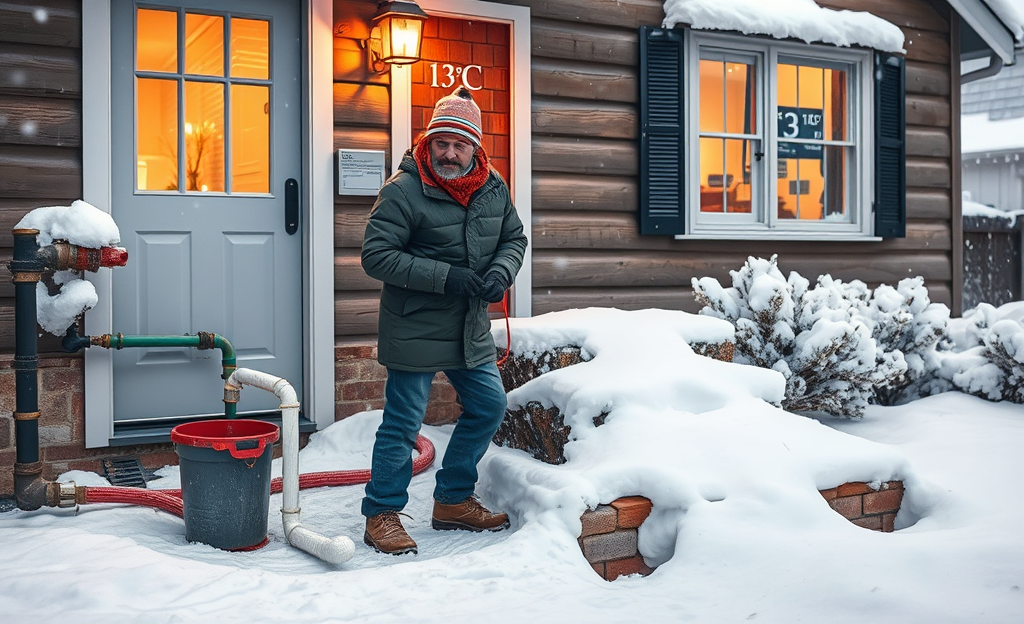
Frozen Pipes are a common issue during the winter months, often leading to significant damage and costly repairs.
In this article, we will explore effective recommendations to prevent your plumbing from freezing when temperatures drop.
From disconnecting and draining garden hoses to maintaining a consistent thermostat setting, we will provide practical tips to safeguard your home against the harsh winter conditions.
By taking proactive measures, you can avoid the hassle and expense associated with frozen pipes and ensure a smooth winter season for you and your family.
Preventing Frozen Pipes During Winter
As winter approaches, the risk of frozen pipes becomes a pressing concern for homeowners.
If neglected, frozen pipes can lead to significant water damage and costly repairs, threatening the comfort and safety of your home.
To combat this, an effective strategy is essential, focusing on maintaining warmth and ensuring that all water lines remain above freezing temperatures.
By employing proactive maintenance, you can insulate pipes, seal any visible holes, and keep thermostats at a consistent level, which are critical steps in preventing pipes from freezing.
Additionally, running water through pipes, even if just a trickle, helps in reducing the risk of freezing.
Furthermore, engaging with resources such as the Prevent Frozen Pipes by Regional Utilities guides homeowners in understanding and implementing these prevention strategies effectively, ensuring safety and peace of mind during the colder months.
Essential Preventive Measures
Preventing your pipes from freezing during the winter is essential for avoiding costly damage and repairs.
There are several effective steps you can take to keep your plumbing system safe and sound through the colder months.
This guide will explore each important action in detail, ensuring you have all the knowledge to protect your home.
Disconnecting and Draining Garden Hoses
Avoid pipe freezes by ensuring outdoor hoses are properly maintained before winter.
Start with disconnect hoses before the first freeze to prevent water from freezing inside pipes and causing damage.
Removing and draining outdoor hoses is crucial because it allows trapped water to escape instead of freezing within the faucet body, which could lead to bursting pipes.
To drain residual water, detach the hose, straighten any kinks, and lift one end to allow gravity to pull the water out completely.
Store hoses in a dry area for protection.
For detailed instructions, consult local plumbing guidelines.
Using Heat Tape and Insulating Pipes
Using heat tape alongside insulation offers a robust solution for safeguarding pipes against freezing in colder regions of your home.
Heat tape provides direct heat to the pipe surface, maintaining water flow even in harsh winter months.
Typically, you’d apply heat tape in areas prone to freezing, like basements or garages, where uninsulated pipes are most vulnerable.
Complementing this with insulation reduces heat transfer and energy loss, creating a stable barrier against cold temperatures.
Crucially, when installing these protective measures, always adhere to the manufacturer’s safety guidelines to prevent any potential hazards, ensuring maximum efficiency and safety.
Checking Shut-off Valves and Labeling the Main Valve
Testing your shut-off valves regularly ensures they function correctly, preventing significant water damage if pipes burst.
By labeling the main valve clearly, you allow for immediate action during emergencies, reducing potential harm to your home’s plumbing system.
Resources like Cold Weather Protection Tips emphasize the importance of labeling for quick identification, which is crucial as every moment counts during a water emergency.
Therefore, commit time today to label the main shut-off now, ensuring peace of mind throughout winter.
Maintaining Thermostat Settings and Sealing Access Points
Maintaining the thermostat setting at 13 °C (55 °F) or higher is crucial for preventing your plumbing from freezing during cold weather.
Keeping a steady warmth in your home protects pipes from the stress of temperature fluctuations, even when you’re away.
Blocking drafts by sealing crawl-space doors and visible holes can effectively prevent cold air from infiltrating your home.
Using caulking, weather stripping, or spray foam are methods recommended by experts to insulate against the chill, as discussed by Legendary Service.
Taking these steps ensures the ambient heat remains inside, safeguarding your pipes against the cold.
Emergency Actions and Helpful Resources
When facing frozen or burst pipes, knowing how to respond can make all the difference in preventing extensive damage to your home.
It’s crucial to avoid using hot water or blowtorches as methods of thawing, and always remember to turn off the main valve if a pipe has burst.
For visual guidance on these emergency actions, be sure to check out a reliable video available online that walks you through safe responses step by step.
Safety Measures for Frozen or Burst Pipes
Improper thawing methods, such as using hot water or an open flame like a blowtorch, pose severe hazards.
Applying heat rapidly to frozen pipes can cause them to expand and crack, often resulting in more extensive damage.
Using methods not designed for safe pipe thawing, like blowtorches, increases the risk of fire and injury.
Therefore, it is crucial to turn off the main valve immediately if you suspect a pipe has burst.
This action helps in minimizing potential water damage and is the first critical step.
For detailed guidance, visit this comprehensive guide on safe freezing prevention.
Accessing Winter Preparation Video Resources Online
Discover an invaluable video resource that ensures the safety of your home’s plumbing this winter.
Available online for easy access, the Cal Water’s Winter Pipe Protection Video offers comprehensive guidance on insulating pipes and sealing potential entry points.
By watching this video, you will gain the confidence needed to prevent costly pipe bursts and maintain your home’s plumbing efficiently.
Join numerous others in safeguarding your home and feel reassured with actionable advice from trusted experts.
In conclusion, protecting your home from frozen pipes is essential for avoiding winter-related plumbing issues.
By following the outlined recommendations, you can enjoy peace of mind and a warm, worry-free home throughout the winter months.



0 Comments