Step By Step Guide To Cheap Motorcycle Auction
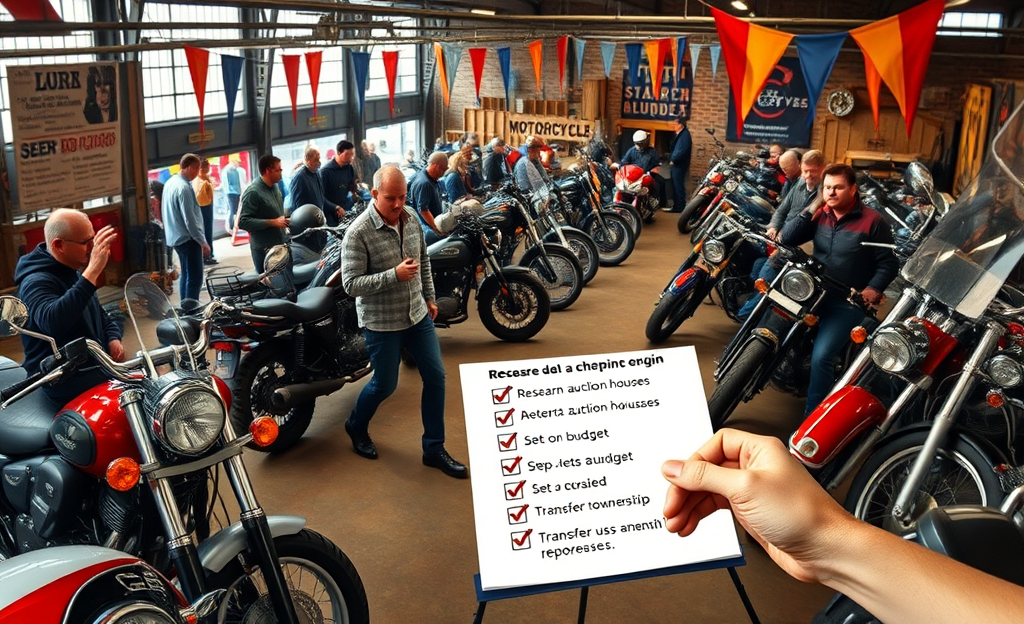
Motorcycle Auction events offer an incredible opportunity for enthusiasts and novice buyers alike to find affordable motorcycles.

In this article, we will explore the essential steps for successfully navigating the auction process, from researching auction houses to transferring ownership after your win.
Join the auction today and save big!
Don’t miss out on great motorcycle deals!
Start your bidding journey today!
With the right preparation and knowledge, you can make the most of your motorcycle auction experience and potentially score a fantastic deal on your next ride.
The Appeal of Motorcycle Auctions
For thrill-seekers and budget-conscious riders alike, few opportunities match the excitement of snagging a motorcycle through an auction.

Whether you’re on the hunt for your first two-wheeled ride or you’re a seasoned collector chasing your next project bike, auctions offer a fast-paced and rewarding experience.
Many motorcycles at auction come from repossessions or insurance turnovers, meaning they can be had for just a fraction of their market value.
The secret lies in finding the right auction that connects you with worthwhile deals
Online platforms have transformed the experience entirely—bidders no longer need to travel long distances or wait for local events.
As noted by this online motorcycle auction breakdown, digital access grants more flexibility and a broader range of motorcycles.
Still, physical auctions maintain their edge by letting buyers inspect bikes up close beforehand, avoiding potential surprises and giving confidence when bidding
- Significant savings compared to dealer prices
- Access to a wide variety of models—including rare finds
- Chance to inspect the motorcycle before you buy
Researching Auction Platforms
Begin by exploring well-known motorcycle auction platforms such as Copart’s Salvage Motorcycle Auctions or CrashedToys, and dive into forums like Reddit’s motorcycle auction discussions for real user experiences.
Check for buyer feedback on various platforms and study reviews to uncover any concerns regarding reliable descriptions or questionable bidding practices.
Moreover, use platforms like Bring a Trailer where you can watch previously recorded auctions to observe what models sell for and how bidding behavior unfolds.
Evaluate each site by checking for transparent fees, consistent title paperwork, and clear descriptions of motorcycle conditions.
Platforms that break down damage reports or prior sale listings prove more trustworthy.
Be cautious if prior buyers mention delays in paperwork or hidden costs.
These insights, paired with a strong track record of completed auctions, help determine which sites are truly worth your time and investment.
Completing Auction Registration
To complete your motorcycle auction registration, start by providing a valid government-issued ID and proof of address, which are standard requirements across most auction platforms.
Sites like CrashedToys make registration easy, requiring only a form, ID, and fee payment to get started.
Deposit deadlines are critical—some auctions such as those listed on NYC government auctions require at least 10% of your total bid upfront, with a $2,000 minimum.
Be sure you upload clear documentation; for example, submitting your license scan as PDF or JPG is usually required to validate your identity.
After approval, your bidding access is unlocked, placing you just steps away from your next motorcycle deal.
Evaluating Bikes Before You Bid
Conducting a thorough inspection before placing a bid on a motorcycle protects you from unexpected repairs and expenses.
Whether you’re seeing the bike in person or reviewing it online, start by examining the engine.
Listen for knocks or unusual noises during idle and throttle testing if you’re able to hear the engine run.
An engine making sharp metallic sounds may signal internal issues.
Additionally, check for visible oil leaks and assess the engine casing for any cracks or signs of previous impact, which often go unnoticed in photos but can hint at severe damage.
Next, move your attention to the tires and frame.
Worn or uneven tire tread suggests improper maintenance or alignment problems, while any wobble in the wheels may indicate bearing issues.
Run your hand along the frame to feel for dents or warps; misaligned frame geometry can lead to dangerous rides and costly frame adjustments.
For remote inspections, use high-resolution images carefully provided by auction platforms like SalvageBid’s auction guides to analyze wear patterns and spot visible deformations that sometimes go unreported.
Lastly, check the VIN against the title and ensure it matches throughout the frame, paperwork, and auction listing details.
A mismatch could signal stolen property or documentation fraud, both of which could block your ownership transfer.
Review maintenance records carefully when available, which can provide critical insight about the bike’s history.
Platforms like Motorcycles Data VIN verification guides emphasize how documentation aligns with bike condition.
Remember, paying close attention during the inspection phase is your best tactic to avoid unpleasant surprises and make confident auction decisions
Setting a Smart Budget and Bid Strategy
To set an effective budget and bidding strategy at a motorcycle auction, you must begin by calculating a realistic ceiling price.

This number should reflect the maximum you’re willing and able to spend after assessing the motorcycle’s fair value, necessary repairs, market trends, and hidden costs.
You’ll want to first research auction price history for your target make and model, and also evaluate similar listings on motorcycle auction platforms to estimate a competitive but safe offer.
Building this framework prevents you from burning through your budget when the pressure of competition rises.
| Auction Fee | Transport | Initial Repairs | Registration |
|---|---|---|---|
| $350 | $200 | $500 | $150 |
Once you’ve identified the total picture that includes fees like transport, title transfer, and mechanical fixes, you can then subtract this from your ceiling bid to determine the maximum offer you can safely place.
Sticking to this plan is essential to avoid overspending.
Winning a bid only feels like a victory when your final cost remains a true bargain, so make decisions grounded in analysis, not impulse.
Finalizing Payment and Ownership Transfer
Once your bid is successful, the first thing you must do is Step 1 – Settle your invoice immediately after the auction ends.
Most auction houses only accept wire transfers or direct deposits, such as those listed by SalvageBikesAuction.com’s payment methods.
Then, Step 2 – Collect the bill of sale within 24 hours, as this document serves as your proof of transaction.
After that, Step 3 – Visit your local DMV to transfer the motorcycle title; according to the Virginia DMV, you’ll also need to pay a $15 titling fee.
Finally, Step 4 – Secure insurance before riding your motorcycle to meet legal requirements and ensure full protection.
Arranging Pickup or Shipping
After winning your auction bid, arranging the motorcycle’s pickup or shipping becomes the next crucial step.

You can choose to haul it yourself, which can save money but demands a secure trailer and proper tie-downs.
Hiring a transporter like HAULBIKES offers reliability and industry experience, especially if you’re not equipped for long hauls.
If convenience matters most, door-to-door shipping ensures your bike is collected at the auction site and delivered to your location—DIY Transport specializes in this service.
Confirm cargo coverage before loading to avoid unexpected costs later, as not all options include full insurance protection.
Choosing the right method depends on your budget, distance, and peace of mind.
In conclusion, attending a motorcycle auction can be a thrilling way to purchase your next bike.
By following the outlined steps, you can enhance your chances of making a smart investment and enjoying your new motorcycle for years to come.