AI Visual Effects Revolutionize The Eternaut
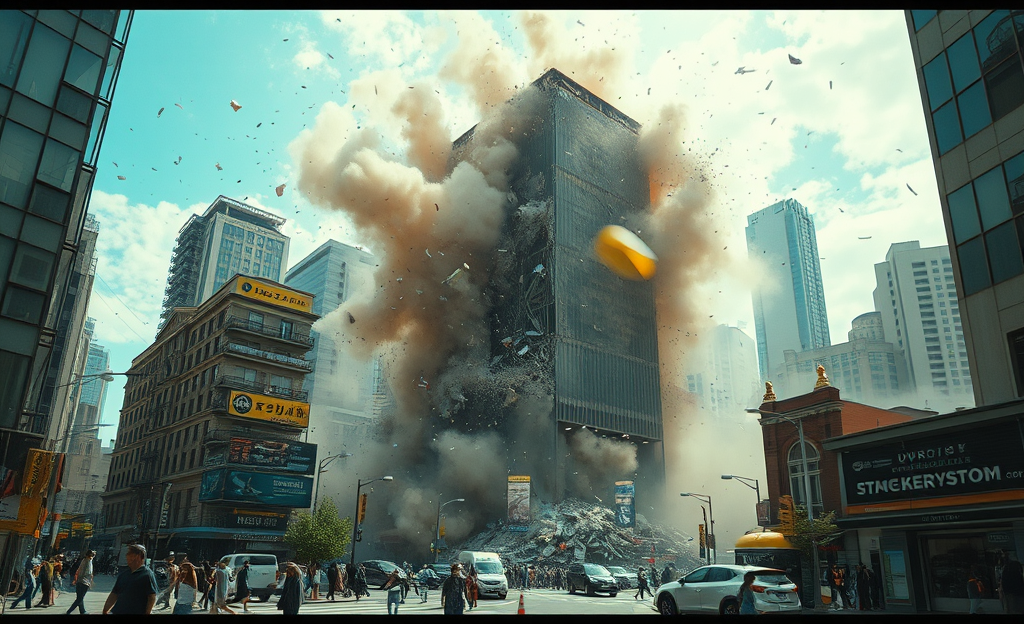
AI Visual effects are paving the way for a transformative era in the film industry, as seen in Netflix’s original series ‘The Eternaut.’ This article delves into the groundbreaking use of artificial intelligence to enhance visual storytelling, focusing on significant advancements such as accelerated production timelines and cost efficiency.
We will also examine the ongoing debates surrounding the implications of AI in filmmaking, especially in light of industry-wide controversies and labor strikes.
Ultimately, we will explore how these innovations may reshape accessibility and democratize high-quality visual content for studios of all sizes.
Breakthrough Use of AI in ‘The Eternaut’
Netflix has achieved a groundbreaking feat in the series ‘The Eternaut’ by employing AI to create a spectacular building collapse scene in Buenos Aires Netflix’s innovative use of generative AI allowed the production team to complete this critical visual effect ten times faster and at a fraction of the usual cost compared to traditional methods.
This isn’t just a nod to technological advancement but also a glimpse into how AI can redefine the efficiency of visual storytelling This strategic move has opened doors to democratizing access to high-caliber visual effects, especially for smaller studios that operate with limited budgets.
While the adoption of AI during the elevated tensions of the Hollywood strike in 2023 ignited some controversy, the evidence presented by ‘The Eternaut’ is hard to overlook.
The astounding cost reduction and production efficiency challenge the status quo, encouraging a re-evaluation of traditional workflows.
The transformation in cost dynamics signifies not just an economical edge but a creative one, broadening possibilities for storytelling in visual media.
As AI technology becomes increasingly integrated into film production, it signals a future where the art of filmmaking is limited only by one’s imagination
Industry Response During the 2023 Hollywood Strike
The 2023 Hollywood strike prompted a diverse range of reactions regarding the adoption of artificial intelligence in visual effects.
Some industry professionals expressed concern over the potential consequences of AI, fearing it may undermine jobs and creative integrity.
In contrast, others viewed the technology as a means to democratize high-quality visual production, offering smaller studios opportunities to compete with larger ones.
Concerns About Job Devaluation
Facing the rise of AI, many VFX professionals express concerns about their future in an industry increasingly dominated by technology.
Some experts worry that AI-driven solutions might undermine the artistry and skill developed over years of practice.
During the Hollywood strike of 2023, clashes intensified around the potential for AI to degrade both job value and the creative aspects inherent in visual effects.
The integration of AI in projects like the Netflix series ‘The Eternaut’ exemplifies a shift towards faster, cost-effective methods that some claim could compromise the essence of artistic expression.
Amid these evolving dynamics, concerns about losing a personal touch in projects prevail.
Visual effects artist Jane Doe shares her unease, stating,
“The heart of our craft risks being replaced, leaving a mechanical imprint instead of a human one.
“
This sentiment resonates with many creators who feel marginalized by the encroaching technologies in Hollywood.
The balance between innovation and safeguarding artistic integrity remains a pressing concern, highlighting the urgent need to address ethical implications and job security in this tech-evolving field.
Perceived Democratization of High-End VFX
The integration of AI in visual effects is perceived as a democratization tool, unlocking blockbuster-quality effects for smaller film studios.
Artificial intelligence solutions like those discussed by Raindance make high-end VFX more accessible, enabling even a one-person powerhouse to create stunning visuals.
This transition shifts the landscape, empowering filmmakers with limited financial resources to compete on a global scale.
The blend of machine learning with visual effects tools fosters a significant reduction in production costs, while maintaining creativity and innovation.
- Lower budgets required
- Reduced production time
- Access to advanced technology
Economic Indicators of AI-Driven Productions
Squid Game‘s third season propelled Netflix to a financial upswing, significantly influencing their profitability metrics.
The series contributed to Netflix’s remarkable 16 percent growth in revenue, reaching an impressive $11 billion.
The success was greatly fueled by the show’s captivating narrative which attracted a staggering 122 million views.
Integrating artificial intelligence in production empowered creators to deliver visually stunning scenes, enhancing viewer engagement and retention.
| Metric | Value |
|---|---|
| Revenue | $11 billion |
| Viewership | 122 million |
This coupling of AI technology with creative storytelling exemplifies how innovation drives consumer interest and expands its reach globally, democratizing access to high-quality visual effects for smaller studios.
Such advancements in digital production not only push the boundaries of creativity but also optimize operational efficiency.
As evidenced by Yahoo Finance’s insights, these improvements ensure studios can achieve blockbuster results without prohibitive expenses, setting a new industry standard.
In conclusion, the integration of AI Visual effects in projects like ‘The Eternaut’ represents a pivotal moment in cinema, challenging traditional methods and sparking important discussions about the future of film production and accessibility.


0 Comments