SIM Swapping Fraud Hits Record Highs in 2023
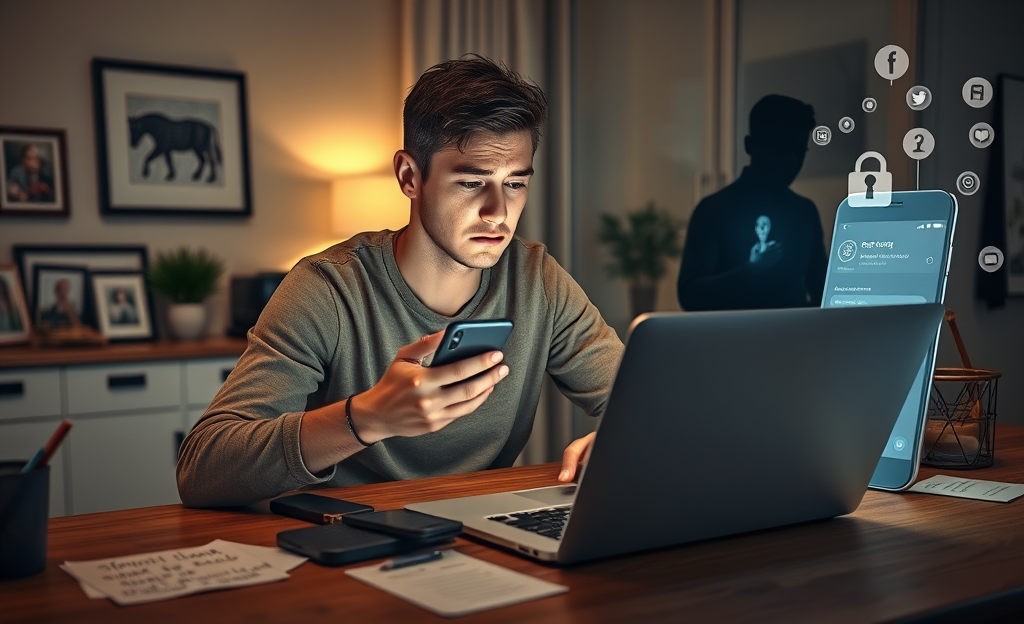
SIM Swapping fraud is an alarming trend that has seen a dramatic increase in recent years, particularly in 2023 and 2024. With nearly 3,000 incidents reported in just the past year, this crime exploits personal information gleaned from social media, allowing fraudsters to hijack phone numbers and access sensitive financial accounts.
Victims often find themselves facing devastating financial losses, realizing the extent of the fraud far too late.
In this article, we will explore how SIM Swapping works, the tactics used by criminals, and the measures individuals can take to safeguard their online accounts against this growing threat.
Rise of SIM-Swapping Fraud in 2023-2024
The alarming sharp surge in SIM-swapping fraud incidents during 2023 and 2024 has raised significant concerns among individuals and financial institutions alike.
This fraudulent scheme saw a massive doubling in reports, according to the latest data, reflecting nearly 3,000 reported cases in the past year, a figure that underscores the severe threat posed by this crime.
Utilizing personal information harvested from social media, criminals successfully hijack phone numbers, thereby intercepting security codes vital for accessing various accounts.
The escalation in this crime shows how vulnerable contemporary digital security systems can be, urging a re-evaluation of current protective measures.
As SIM-swapping fraud continues to rise, the impact on personal and financial security becomes increasingly perilous.
Victims, often unaware until experiencing severe financial damage, find themselves at the mercy of criminals who deftly deceive phone carriers into transferring their numbers to unauthorized devices.
This threat represents not just a personal security risk but a wider vulnerability within technological defenses.
The escalating numbers of nearly 3,000 incidents illustrate a concerning trend that necessitates urgent attention and action, pushing individuals and businesses to adopt more robust online security practices to combat this growing menace.
For further insights, individuals are encouraged to explore additional resources like the BBC’s analysis on SIM-swapping fraud, shedding light on the intricacies of this alarming trend.
Harvesting Personal Data from Social Media
Criminals meticulously scour social media platforms, exploiting the vast amount of personal information that users unwittingly share.
Publicly accessible details such as birthdays, phone numbers, and relationship statuses become valuable assets in their repertoire.
By analyzing personal information, fraudsters can craft convincing narratives to deceive mobile carriers.
These attackers stealthily piece together data from multiple sources, creating a comprehensive profile of their target.
Websites like Facebook and Instagram, as noted by Group-IB’s Sim Swap Techniques, provide fertile ground for such activities.
Furthermore, this information enables them to effectively hijack phone numbers, subsequently intercepting security codes and bypassing safeguards like two-factor authentication.
The seamless blending of social engineering and data reconnaissance on these platforms makes hijacking phone numbers not only feasible but alarmingly frequent.
Mechanics of a SIM-Swapping Attack
SIM-swapping fraud is a sophisticated crime where perpetrators exploit human vulnerabilities and technology loopholes to take over victims’ mobile numbers.
The following steps highlight how fraudsters manipulate the process:
- Gather personal information by conducting thorough research on social media to impersonate the subscriber.
- Contact the mobile carrier and convince them to transfer the number to a new SIM card.
- Gain access to a device controlled by fraudster, enabling them to control the phone number.
- Receive security codes meant for the victim, allowing the interception of verification codes sent to the phone number.
- Bypass two-factor authentication, gaining access to personal and financial accounts, and cause financial damage.
Protecting oneself involves being cautious with sharing personal information online and being vigilant in communications with mobile carriers for any unauthorized changes to your account.
Victim Impact: Financial Damage and Delayed Awareness
Victims of SIM-swapping fraud often endure significant financial damage, losing hundreds of thousands before even realizing their vulnerability.
Criminals cleverly manipulate personal information collected from social media, enabling them to hijack phone numbers seamlessly.
In many instances, such as the arrest of a man in Salford linked to a businessman’s £250,000 loss, perpetrators exploit this control to intercept security codes, rendering two-factor authentication futile.
This leaves victims devastated, asking questions only after realizing the fraud too late when the funds have vanished and financial havoc wreaked.
The emotional toll exacerbates the financial despair as victims grapple with shock and helplessness while thieves siphon life savings unnoticed.
Urgent insights from Thomson Reuters highlight continuous vigilance and adopting secure online practices as crucial defenses to deter such overwhelming theft.
Salford Arrest Underscores the Threat
The recent Salford case of SIM-swapping fraud serves as a stark reminder of the threat posed by cybercriminals.
A local businessman’s mobile number was hijacked, resulting in the staggering theft of £250,000 from his bank accounts.
This incident highlights the vulnerability of relying solely on two-factor authentication via text messages.
Law enforcement quickly identified suspicious activities and tracked down the suspect.
In a significant development, a man was suspect arrested on suspicion of fraud related to this audacious crime.
Authorities are emphasizing the importance of enhanced security practices for personal accounts, recommending unique passwords and alternative verification methods to prevent such exploits.
As SIM-swapping fraud becomes increasingly prevalent, individuals need to be vigilant against sharing personal information online, which can be exploited by fraudsters to conduct these scams effectively.
Strengthening Your Defense Against SIM-Swapping
Enhance your protection against SIM-swapping by adopting crucial cybersecurity measures.
Fraudsters exploit weaknesses, but with proactive steps, you can safeguard your accounts.
Consider the following advice:
- Use strong, unique passwords. Avoid reusing passwords across different accounts to limit exposure in case of a breach.
- Enable app-based authentication rather than relying on SMS-based verifications. This step reduces your risk and offers a more secure layer of protection.
- Set up a PIN or passcode and security questions with your cell provider by following practices outlined by BlackCloak’s SIM protection strategies.
- Monitor social media privacy settings. Limit what personal information you share, making it harder for criminals to collect data.
- Be wary of phishing schemes, particularly in work environments, as these can lead to serious security breaches.
Implementing these steps will bolster your defenses against SIM-swapping threats, promoting a more secure digital experience.
In conclusion, as SIM Swapping fraud continues to rise, it’s essential for individuals to be proactive in protecting their accounts.
By adopting strong security practices, such as unique passwords, we can mitigate the risks associated with this dangerous crime.



0 Comments