Revolution Wind Project Faces Uncertain Future Ahead
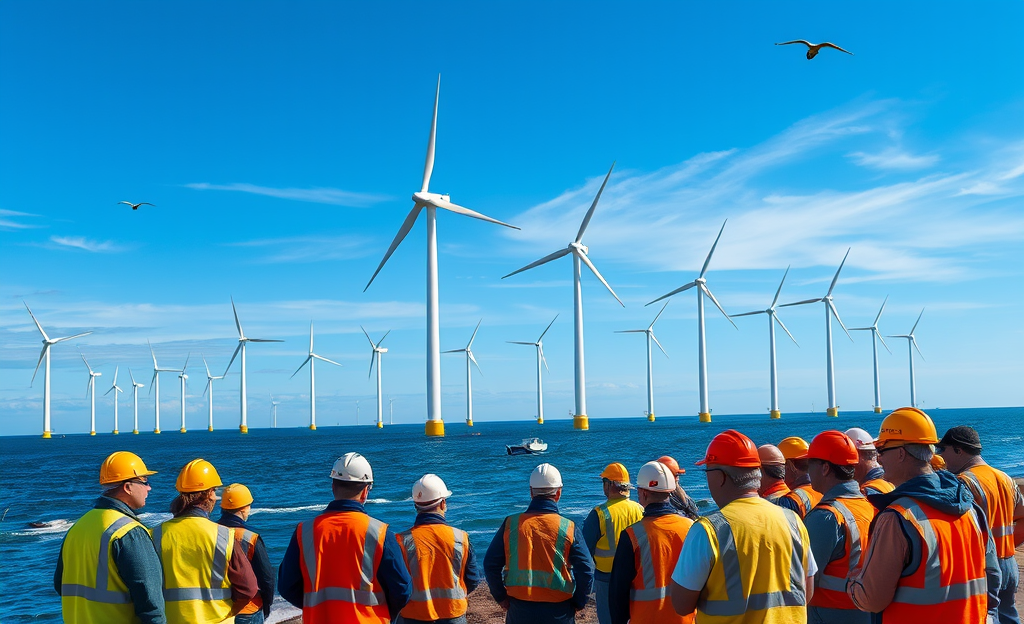
The Revolution Wind Project is set to be a transformative initiative in the realm of renewable energy, boasting a $6 billion investment and the capacity to power approximately 350,000 homes.
However, with construction currently halted, thousands of workers face uncertainty, and the future of similar offshore projects along the U.S.
East Coast hangs in the balance.
This article will delve into the implications of the project’s delay, exploring its economic and political ramifications as well as the ongoing challenges it faces in the pursuit of clean energy goals.
Scope, Scale, and Status
Revolution Wind, a landmark project heralding the future of clean energy, boasts a sizable $6 billion investment and features 65 cutting-edge turbines strategically positioned offshore along the New England coast.
Originally on track to deliver sustainable power to approximately 350,000 homes, the project’s progress reached 80 percent completion before construction unexpectedly halted.
This initiative promises to significantly advance renewable energy targets while offering a beacon of promise to the thousands of affected workers in the region.
However, with the current stop work order, there is heightened concern regarding the project’s eventual outcome.
Stakeholders aim to resolve impediments to maintain this crucial energy source.
Learn more about the project’s progress from Revolution Wind’s official site.
| Metric | Figure | Note |
|---|---|---|
| Total Investment | $6 billion | Approved budget |
| Turbines | 65 | 8–9 MW class |
| Completion | 80 % | Before halt |
Immediate Fallout of the Construction Halt
The construction of the nearly completed Revolution Wind farm, a crucial clean energy project set to supply power to 350,000 homes, came to an abrupt halt due to a stop-work order from the Trump administration.
This decision (more details here) has caused significant disruptions among the on-site labor force.
As a result, thousands of workers are left without income streams.
Even as the project reached 80% completion, This work stoppage has thrown day-to-day operations into chaos.
The state’s reliance on this initiative underscores the importance of resolving this issue (read more here).
- Over 1,200 jobs have been directly impacted, leaving
workers uncertain about their future. - Millions in potential revenue for local businesses halted,
affecting those dependent on project-related work. - Significant delays in achieving energy production goals,
affecting projected savings on electricity costs.
Economic and Political Ramifications
The halt of Revolution Wind’s construction significantly impacts regional economics due to the dependency of many state workers on the project’s continued progress.
With the potential to provide power for approximately 350,000 homes, this wind farm promised not only a sustainable energy source but also cheaper electricity for residents.
This promise is now in jeopardy, placing further strain on households already dealing with high utility costs.
Thousands of jobs hang in the balance as workers face uncertainty, which threatens to ripple through local economies, as noted by the Connecticut Mirror article on clean energy jobs.
The construction pause impacts not only immediate employment but also long-term economic stability for areas heavily invested in renewable energy projects.
Politically, the Revolution Wind pause catalyzes debate over the future of energy policies on the East Coast.
The decision to stop construction raises questions about the administration’s commitment to clean energy initiatives and the potential for future projects to face similar hurdles.
Political leaders emphasize the need for continuity; “We cannot afford to stall progress,” a state energy official said, highlighting the urgency of resolving the situation swiftly.
As the situation unfolds, public scrutiny intensifies, with politicians and activists alike navigating complex discussions about the balance between economic growth and environmental responsibilities.
The growing tension underscores the pivotal role of such projects in shaping energy policy and further illuminating both opportunities and challenges in the move toward sustainable energy solutions.
For more detailed insights, you can refer to the Maryland Matters article on Revolution Wind.
Ripple Effects on Future East Coast Offshore Wind
The halt in construction of the nearly completed Revolution Wind project delivers strategic challenges to the entire offshore wind industry along the U.S.
East Coast.
The interruption raises questions and doubts about both the feasibility and reliability of offshore wind as a sustainable energy source.
Developers and investors, wary of similar disruptions, may find themselves re-evaluating their strategies amidst heightened uncertainty surrounding regulatory frameworks and long-term project viability.
According to East Coast Offshore Wind Uncertainty, this stalled project could ultimately undermine investor confidence, shifting financial commitments away from potentially lucrative energy ventures.
The delay could further impact projected timelines, setting a precedent that might not only affect current projects but also hinder future proposals.
As concerns grow, stakeholders must conduct a deep reassessment of how to navigate these unpredictable bottlenecks, ensuring resilience in policies to safeguard the future of clean energy initiatives.
Clean Energy Milestone Versus Lasting Opposition
Revolution Wind, with its capacity to **power approximately 350,000 homes**, stands as a significant milestone in the transition to cleaner energy sources.
However, despite its potential to contribute substantially to achieving clean-energy targets, the project faces notable resistance from various stakeholders.
Some fishermen and local community members express concerns about visual impacts and interactions with marine habitats, which they argue could disrupt marine life and affect their livelihoods.
Meanwhile, political figures have critiqued the project due to perceived regulatory inadequacies and potential economic trade-offs.
- Supporters: anticipate reduced emissions and foresee long-term savings in energy costs, emphasizing the overall positive impact on environmental sustainability.
- Opponents: highlight environmental impacts on marine ecosystems and the alteration of seascapes, which they argue could have lasting negative effects.
The ongoing debate underscores the complexity of balancing clean energy advancements with environmental and economic considerations.
In conclusion, the Revolution Wind Project represents a pivotal moment for renewable energy, but its current stoppage raises significant concerns that must be addressed to ensure a sustainable future for offshore wind initiatives.



0 Comments