Urgent Action Needed to Reduce Methane Emissions
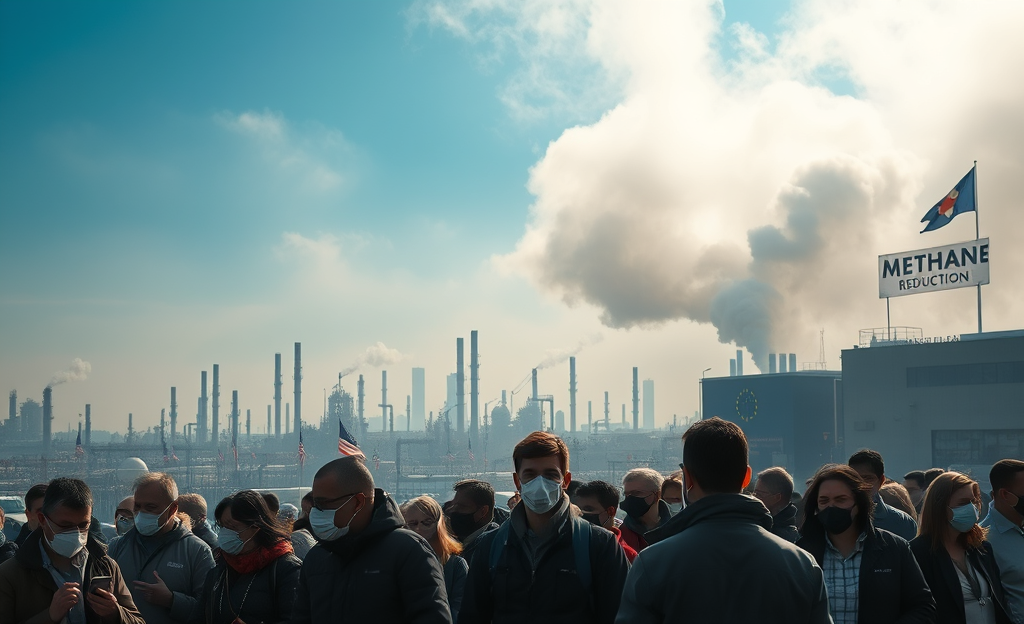
Methane emissions have become a critical issue in the fight against climate change, as atmospheric levels rise rapidly, threatening global climate stability.
In this article, we will explore the alarming increase in methane concentrations, the international pledges to reduce emissions, and the challenges posed by major emitters.
We will also discuss the European Union’s regulatory approach, the importance of global cooperation, and the role of local governments in effective methane regulation.
Additionally, we will examine the available technologies for leak detection and the pressing need for immediate action to avert irreversible damage to our planet.
Rising Methane Levels and Global Commitments
Atmospheric methane, a potent greenhouse gas, has exhibited a rapid increase over the past five years, with concentrations reaching over 1900 parts per billion.
According to the National Oceanic and Atmospheric Administration’s methane data, this troubling trend highlights methane’s profound impact on climate change.
As the world watches these levels surge, scientists warn of dire consequences if action is not taken immediately.
The urgency is underscored by the fact that methane is at least 25 times more effective than CO2 at trapping heat in the atmosphere, intensifying the global warming crisis.
Despite the acknowledged threat, the efforts to curb this rise have met with inefficiency.
A 159-nation pledge has set an ambitious target to cut methane emissions by 30% by 2030. However, emissions stubbornly climb, highlighting the gap between commitment and action.
The Global Methane Pledge, though a significant step, needs an infusion of realistic strategies and enforcement to meet its goals.
It is crucial that these nations shift from pledges to concrete actions, as the effectiveness of their efforts will define our environmental trajectory.
Without a coordinated and swift response, the potential to make a substantial positive impact on climate change and stave off its most disastrous effects remains unrealized.
The Climate Impact of Methane Reduction
Aggressive methane mitigation offers fast climate benefits by delivering immediate radiative forcing relief.
Methane, a potent greenhouse gas, is approximately 84 times more effective at trapping heat than CO2 over a 20-year period.
This stark difference underscores the critical need for stringent methane reductions.
The scientific consensus, supported by peer-reviewed studies, suggests that cutting methane could cool the planet by up to 0.4 °C by 2050. The European Union, among others, has implemented robust regulations to curb emissions.
These regulations are crucial, given the significant impact this strategy can have on the global temperature trajectory.
Furthermore, reducing methane emissions delivers several core benefits: immediate radiative forcing relief, improved air quality, and public-health gains.
Continued global cooperation is vital.
Initiatives such as those suggested by organizations like the IGSD reveal the importance of concerted efforts to achieve these reductions.
Through coordinated action, the impact of methane on climate change can be effectively reduced.
Challenges from Top Methane Emitters
Major methane emitters persist in their struggle to align actions with ambitious pledges, as highlighted by Sciencedirect’s global review on methane policies.
This resistance stems largely from an entrenched economic dependence on fossil fuels, which makes transitioning to cleaner, more sustainable energy sources a tough sell for policymakers beholden to powerful industry interests.
Furthermore, regulatory loopholes exist, allowing industries to bypass stringent controls.
The European Union has enacted strict regulations but still encounters pressure to relax these controls, illustrating that without a coordinated international effort, these attempts often fall short.
Despite the clear cost-benefit analysis favoring methane mitigation, major players continue to exploit insufficient enforcement, leading to a vast disparity between pledged goals and actual emissions reductions.
Therefore, a robust framework for accountability is essential to motivate these top emitters to honor their commitments effectively.
Regulatory Efforts in the European Union
The European Union is advancing its mitigation strategies to significantly curb methane emissions in the oil and gas sector, focusing on stringent measures outlined in the Methane Strategy and Energy Package aimed at securing sustainable energy practices.
The EU’s approach demands that operators submit quarterly reports detailing any emissions leaks, empowered by advanced technologies dedicated to real-time monitoring and efficient repair protocols.
Spectacularly, these regulations ban routine venting and flaring, paving the way for colossal cuts in methane release—a major step forward in environmental protection.
However, there’s palpable pushback from business interests that threatens to delay the timely implementation of these ambitious rules, pressing EU policymakers to potentially soften their stance under extensive lobbying pressure.
In order to address and balance these challenges with environmental commitments, the EU withstands significant pressure by enacting robust regulations like the European Commission’s energy policies as emphasized here, thereby setting a global standard in methane regulation.
Global Coordination and Subnational Contributions
For effective methane reduction, coordinated global action is essential due to the interconnected nature of this environmental challenge.
Global efforts lack power without backing from state and municipal policies, which offer on-the-ground insights and innovation.
In New Mexico, stringent regulations mandate 98% gas capture, demonstrating how local strategies enhance national goals.
The European Union’s regulations benefit further when member states uphold local standards, as seen in Germany’s commitment to methane reduction.
Subnational roles encompass elements like:
- City-level zero-leak ordinances
- State incentives for rapid repair
- Regional data-sharing hubs
Meanwhile, in cities like Los Angeles, advanced detection technologies are employed, showcasing local leadership in tactical methane management.
By aligning local, state, and national levels, we achieve a multi-tiered approach, leveraging the respective strengths each jurisdiction holds.
This collaboration ensures momentum toward substantial emissions reductions and a collective move towards a sustainable future.
Leak Detection Technologies and Accountability Policies
Methane leak detection technologies like Optical Gas Imaging (OGI), satellites, and drones are pivotal in curbing emissions.
OGI technologies are crucial for on-site inspections allowing operators to identify leaks quickly.
Satellites provide a comprehensive overview for basin-wide screening offering invaluable data for emissions analysis.
Drones complement these technologies by accessing hard-to-reach areas ensuring thorough surveillance.
Robust accountability is non-negotiable in this effort.
The integration of stringent policies drives the adoption and effectiveness of these technologies.
Fees associated with non-compliance serve as a deterrent encouraging timely repairs while public disclosure policies ensure transparency holding corporations accountable.
Additionally, repair deadlines impose strict timelines for addressing detected leaks driving prompt action.
| Technology | Typical Application | Linked Policy |
|---|---|---|
| Optical gas imaging | On-site inspections | Mandatory quarterly surveys |
| Satellite monitoring | Basin-wide screening | Public disclosure rules |
These technologies alongside emerging policies close the enforcement gap transforming methane management into an actionable reality.
As global standards evolve, collaborative efforts between technological advancements and policy development will be key to reducing methane emissions effectively.
The Urgency of Immediate Methane Emission Action
The dramatic rise in atmospheric methane levels over the past five years signals a pressing threat.
Irreversible climate tipping points loom closer as policymakers debate mitigation strategies.
Despite 159 nations pledging to slash emissions by 2030, a narrowing time frame demands immediate attention.
Effective methane cuts could curb global warming by up to 0.4 degrees Celsius by 2050—crucial for maintaining climate stability.
Delaying mitigation risks breaching the critical 2°C threshold, as every decade without action adds 0.1°C to global temperatures, according to a Nature Study.
As experts concur, the time for action is now.
Technologies for detecting and repairing leaks exist, yet top emitters fail to act decisively, overwhelmed by short-term business interests.
The European Union’s stringent regulations on methane from oil and gas sectors serve as a model despite facing industry pushback.
These efforts must expand globally, with state and local governments playing pivotal roles, supported by policies holding emitters accountable.
Inaction in addressing methane emissions threatens not just our climate goals but the livable future itself.
We must rally to solidify a comprehensive, coordinated response that prioritizes reducing these emissions immediately.
In conclusion, addressing methane emissions is vital for mitigating climate change.
Immediate, coordinated action from global leaders, backed by innovative technologies and robust policies, is essential to protect our environment for future generations.



0 Comments