New Food Waste Recycling Collections Launching Soon
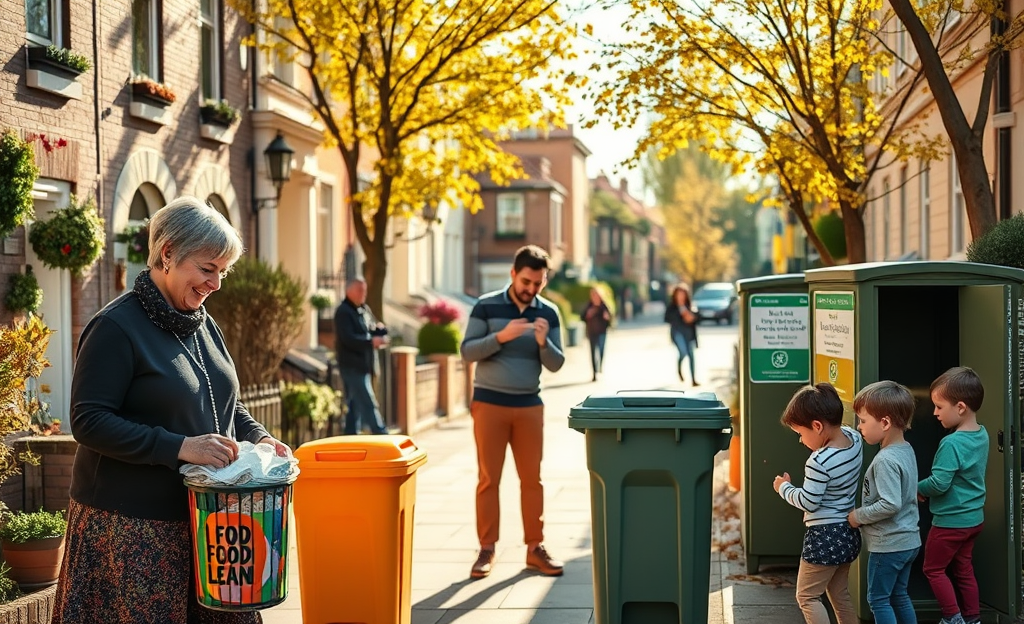
Food Waste is a significant issue in urban areas, prompting Newham Council to take action with the launch of weekly recycling collections.
Beginning in late November 2025, this initiative will target approximately 10% of households within the borough.
With a focus on reducing waste and carbon emissions, the program aims to transform food scraps into renewable energy, creating a sustainable future for the community.
The rollout will unfold over three phases, providing residents with the necessary tools to participate in this important environmental effort, starting with essential indoor and outdoor waste collection resources in Phase 1.
Weekly Food Waste Recycling Collections Launch
By late November 2025, Newham Council will embark on a transformative journey in its waste management strategy.
The council is set to roll out a weekly food waste recycling service to 10% of households as part of its initial phase.
This strategic move is part of a larger effort to reduce waste volumes, decrease carbon emissions, and harness renewable energy through recycled food.
The initiative underscores a commitment to environmental sustainability, aligning waste management practices with the council’s ecological priorities.
As residents begin to receive indoor kitchen caddies, compostable liners, and lockable outdoor food waste bins, the program will pave the way for subsequent phases, ultimately aiming for full implementation by 2027. This project not only changes how food waste is managed in homes but also contributes to a greener Newham, offering a sustainable model of community-led environmental responsibility.
Environmental Objectives and Benefits
Newham’s new initiative aims to address pressing environmental challenges by leveraging food waste recycling to drive sustainability.
By separating food waste from general refuse, Newham can significantly decrease the volume of organic matter ending up in landfills.
This not only mitigates unwanted waste accumulation but actively contributes to reducing carbon emissions as landfill decompositions are a major source of greenhouse gases.
By reducing waste, Newham aligns itself with broader ecological goals, promoting a cleaner and more sustainable urban environment.
Additionally, the initiative facilitates the production of renewable energy.
Through processes like anaerobic digestion, food waste is converted into biogas, a sustainable energy source.
This conversion supports Newham’s commitment to renewable energy objectives, offering a dual benefit of energy generation while reducing reliance on non-renewable sources.
Such measures are essential for fostering a resilient energy sector, underscoring Newham’s proactive approach in climate action per its recycling goals.
- Waste reduction: Significantly cutting down food waste disposed in landfills.
- Carbon emissions reduction: Lowering greenhouse gases produced from waste decomposition.
- Renewable energy production: Generating sustainable energy through food waste conversion.
Three-Phase Rollout Timeline (2025-2027)
Newham Council is initiating a transformative journey to enhance environmental sustainability by rolling out weekly food waste collections across the borough.
This effort aims to significantly reduce waste, cut carbon emissions, and generate renewable energy from recycled food.
The phased implementation begins in late November 2025, targeting around 10% of households.
Each phase is a crucial milestone toward achieving full integration by 2027.
- Phase 1 (November 2025 to Autumn 2026) — This initial phase focuses on providing residents in selected areas with essential tools such as indoor kitchen caddies, compostable liners, and lockable outdoor food waste bins. For those living in flats, communal bins will be introduced, reaching about 10% of the borough Introducing Weekly Food Waste Recycling Collection.
- Phase 2 (Autumn 2026 to 2027) — The initiative expands to encompass all remaining street-level properties and communal flats, ensuring readiness for full borough-wide adoption.
- Phase 3 (2027) — This final phase aims to refine and optimize the service across the entire region, integrating feedback and improving efficiency to reach every household effectively.
Through these structured phases, Newham Council is committed to fostering an environmentally friendly community.
Phase 1 Resident Toolkit
The Phase 1 Resident Toolkit is essential for Newham residents to start recycling food waste effectively.
Below is a concise table to help you understand the purpose of each item provided in this initiative:
| Item | Purpose |
|---|---|
| Kitchen caddy | Convenient indoor storage for scraps prior to disposal |
| Compostable liners | Ensure easy and hygienic food waste wrapping |
| Lockable outdoor bin | Secure container for storing waste until weekly collection |
| Communal bin for flats | Centralized option for residents in communal living areas to safely participate in the recycling initiative |
These components work in unison to enhance the neighborhood’s sustainability efforts.
Utilizing Newham food waste recycling collections not only helps reduce carbon emissions but also facilitates the generation of renewable energy from collected food waste.
Food Waste recycling in Newham represents a vital step towards sustainability.
By engaging residents and fostering eco-friendly practices, the council not only aims to minimize waste but also to promote renewable energy generation, paving the way for a greener future.



0 Comments