Outdoor Recreation Sector Drives Economic Growth
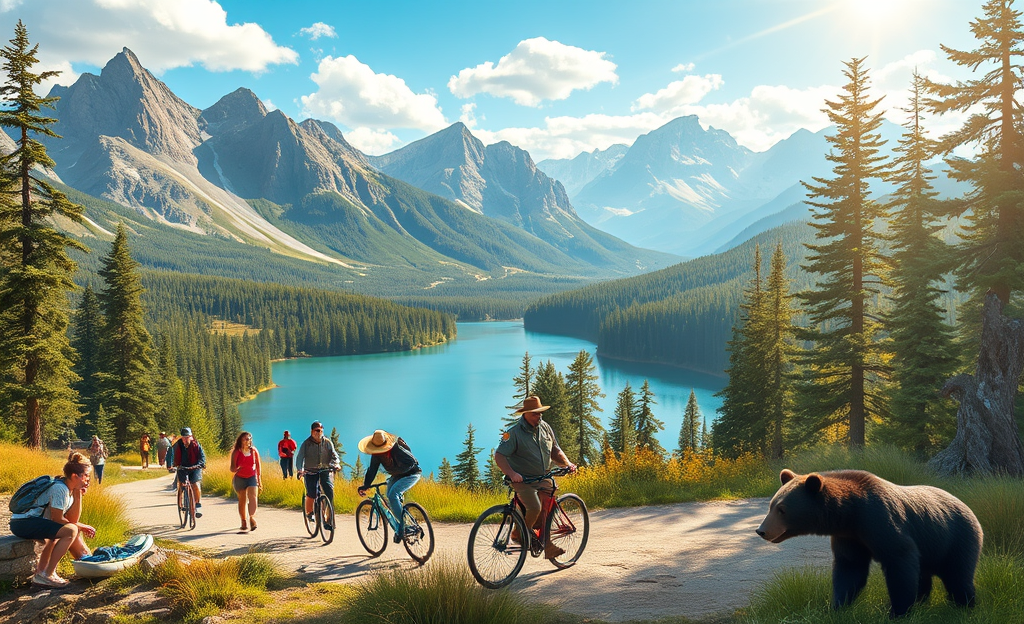
Economic Growth has been significantly influenced by the outdoor recreation sector in the United States.
In this article, we will explore the impressive economic impact of outdoor activities, particularly on public lands, and the vital role they play in generating jobs and revenue.
From spending trends in national parks to the tourism value of wildlife sightings, we will analyze how this sector outpaces traditional industries like timber.
The valuation of public lands also comes into focus as a crucial element for informed decision-making that can further enhance local economies and foster sustainable development.
National Economic Footprint of Outdoor Recreation in 2023
Outdoor recreation stood as a formidable economic titan in 2023, contributing an impressive $1.2 trillion to the nation’s economic landscape.
This sector accounted for 2.3% of GDP, surpassing many traditional industries and asserting its role as a key economic player.
The sector’s growth not only bolstered the national economy but also provided significant employment opportunities to communities across the country.
With significant government and private investments, these metrics emphasize the growing popularity and economic importance of outdoor activities.
The outdoor recreation industry also played a critical role in employment, supporting 5 million jobs, or over 3% of the national workforce.
This sector created more jobs than the timber industry, showcasing its superiority as a job generator.
Furthermore, public lands and national parks continued to attract millions, generating substantial tourism revenue.
For more insights, the Bureau of Economic Analysis outdoor-recreation data offers extensive information on this sector’s economic contributions.
This synergy of economic and employment growth highlights the sector’s role as a vital pillar of the U.S. economy.
Financial Output from Recreation on Public Lands
In 2023, recreation on US public lands generated a substantial financial contribution of $128 billion annually to the economy, equivalent to $351 million each day, illustrating the sector’s vital role.
A significant portion of this economic activity, amounting to $72 billion, represented direct spending with federal agencies, showcasing public lands’ value in sustaining national economic health.
Further emphasizing their importance, $27 billion was attributed specifically to activities in national parks, highlighting these areas as prime contributors to tourism and local economies.
With the continuous influx of visitors seeking outdoor experiences, ranging from hiking to wildlife viewing, federal public lands and national parks contribute meaningfully beyond simple recreational value by boosting local and national financial landscapes.
These figures offer a profound insight into how strategic use and conservation efforts can multiply economic benefits.
Annual: $128 billion | Daily: $351 million.
Tourism Premium of Bear Sightings in Yellowstone
Yellowstone National Park’s majestic landscape is more than just a natural wonder; it is a significant economic contributor, particularly through $50,000 per sighting of its bears.
Visitors flock to see these impressive creatures annually, bringing considerable direct and indirect economic benefits.
Research reveals the contrasting values between two resident species within the park.
Grizzly bears, with their formidable presence, create significant appeal.
In contrast, black bears, though smaller, also command noteworthy attention.
The per bear sighting valuation translates to substantial tourism revenue, making conservation efforts even more critical.
- $50,000 per bear sighting annually
- Grizzly bears: Economic engine with a significant financial impact
- Black bears contribute similarly but slightly less in economic terms
These valuations not only highlight the importance of wildlife but also demonstrate the critical role these animals play in tourism and local economies.
Understanding these figures helps frame conservation strategies that balance economic and environmental priorities.
Outdoor Recreation Versus Timber: A Comparative Economic Lens
The outdoor recreation industry has grown into a formidable economic force, outpacing traditional sectors like the timber industry in both employment and revenue.
According to the Outdoor Recreation Roundtable, recreation generates a staggering $1.2 trillion annually and employs 5 million people, representing 3.1% of U.S. jobs.
Meanwhile, the timber industry, once a stalwart of the American economy, has seen its influence wane in comparison.
Wind down its significance with figures such as jobs and revenue below.
| Sector | Jobs | Revenue |
|---|---|---|
| Outdoor Recreation | 5 million | $1.2 trillion |
| Timber Industry | Fewer than 1 million | Significantly lower* |
The numbers underline the economic vitality of outdoor recreation, highlighting its role in supporting more jobs and driving higher revenue compared to the traditional timber sector.
This shift presents compelling choices for future economic policy and land use strategies in the United States.
Accelerated Growth from 2022 to 2023
The outdoor recreation sector experienced a 24% faster growth than the overall U.S. economy between 2022 and 2023, underscoring its status as a leading economic engine.
As the thirst for outdoor expeditions increased, this bustling sector not only outpaced national economic growth but also helped carve a distinctive niche, contributing 2.3% of the country’s GDP.
Enthusiasts flocked to public lands, with visitors infusing billions into local economies through direct expenditures.
The sector’s robust momentum also translated into substantial employment, with over five million Americans finding opportunities in this dynamic field.
Figures from sources like The Outdoor Recreation Economy Overview reflect this transformative year where outdoor endeavors became synonymous with economic resilience, ushering a new era of prosperity and community investment.
Dynamic expansion was not just a catchphrase; it was a testament to the ascendant trajectory of outdoor recreation.
2022 — 2023
Valuation of Public Lands as a Policy Tool
In the realm of public land management, accurate valuation plays a pivotal role in informing balanced use and conservation policies.
By understanding the economic contributions of public lands, policymakers can effectively weigh the benefits of development against conservation needs, ensuring sustainable practices.
USDA Forest Service economic studies offer comprehensive insights into such valuations, providing a framework for decisions that preserve natural resources while supporting economic growth.
This approach enables government entities to protect valuable ecosystems without compromising economic opportunities.
Economic investment in local communities thrives when public lands are not only preserved but also strategically utilized.
As communities leverage accurate land valuations, they attract substantial investments by showcasing their potential for tourism and recreation.
This attracts businesses and boosts local employment, tangible proof of public lands’ economic vitality.
With thoughtful conservation strategies, public lands can significantly contribute to local economies, fueling long-term growth by enhancing livability and drawing diverse revenues.
Consequently, the commitment to accurate valuation fosters a sustainable cycle of investment, benefiting both the environment and the community at large.
In conclusion, the outdoor recreation sector is a powerful engine for economic growth, providing substantial benefits to local communities and the national economy.
The continued investment in and conservation of public lands will ensure that this sector thrives, creating jobs and generating revenue for years to come.



0 Comments