Access WhatsApp Chats From Another Phone Securely
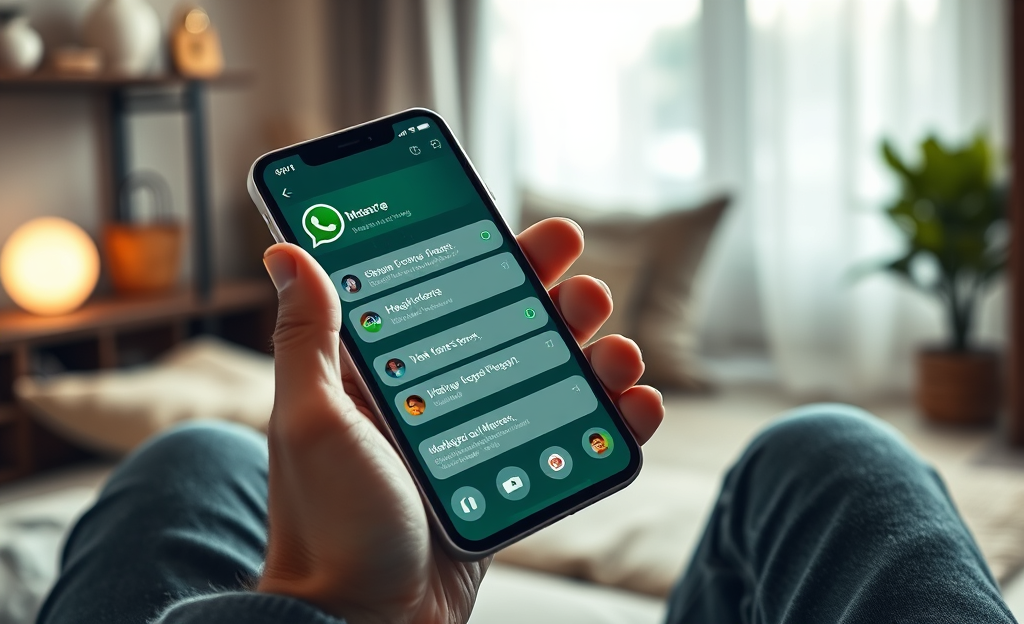
WhatsApp Access has become a topic of interest as users seek ways to securely view chats from another device.
Access hidden WhatsApp conversations now!
Discover how to read messages effortlessly!
This article explores the process of linking devices for secure access to WhatsApp messages, while also addressing the ability to view incoming chat messages from various applications.
As we delve into the features and functionalities of these apps, we will consider the ethical implications and potential risks involved, particularly when dealing with apps that may not adhere to industry standards.
Understanding these factors is essential for any user contemplating such methods of chat access.
Remote Access to WhatsApp: Core Idea
Apps that allow remote access to WhatsApp make it possible to view messages from another phone by linking two devices securely.
These tools often use WhatsApp’s Linked Devices feature or mimic it through specialized platforms.
Once connected, the second device mirrors incoming chats, media, and even notifications.
Some apps operate subtly in the background and provide seamless synchronization so users can stay updated across phones.
High-end options like iMyFone iMyTrans offer not just message viewing, but full backup, restore, and transfer functionalities between operating systems without loss of data.
- Real-time mirroring of messages
- Secure device linking through QR codes
- Full chat history transfer with media files
- Cross-platform compatibility
Always ensure consent is obtained before linking a device or accessing someone else’s messages
Risks per Linking Method
QR code linking, while offering quick access, introduces a critical vulnerability through unauthorized scanning.
If someone gains temporary physical access to the original device, they can scan the QR code with their own device, instantly linking without triggering alerts.
WhatsApp’s multi-device feature has been exploited by cyberstalkers, silently synchronizing chats for surveillance.
Phone number verification depends on receiving an SMS, which creates a significant risk if the number is hijacked.
Attackers can exploit flaws in telecom infrastructure, such as SIM swapping, to intercept codes sent via SMS and gain full account access.
This usually happens without immediate detection, especially when users don’t enable two-step verification.
Cloud sync functionality introduces a major weakness through unencrypted backups.
Even though WhatsApp messages use end-to-end encryption in transit, backups stored in the cloud may not receive the same protection.
This practice opens a door for attackers—or even legal authorities—to retrieve messages from services like Google Drive or iCloud, which are often accessible without WhatsApp’s encryption barriers.
Trusted Tools on the Market
WhatsApp’s native Linked Devices feature remains the most secure and trustworthy method for accessing chats across multiple phones.
It allows one primary WhatsApp account to link with up to four additional devices, maintaining end-to-end encryption.
This approach does not require rooting or intrusive permissions, making it a reliable choice for those prioritizing privacy and ethical usage.
You can learn more about how Linked Devices work by visiting WhatsApp’s official Help Center.
Other third-party options may exist, but many demand invasive access or violate policies.
Therefore, users should remain cautious, as only officially supported or privacy-conscious apps offer peace of mind without compromising data integrity.
Consequences of Unauthorized Access
Accessing WhatsApp chats without permission may lead to severe consequences.
Legally, this act is considered unlawful interception of electronic communications under both Texas Penal Code §16.02 and federal law, including the Electronic Communications Privacy Act, which can result in felony charges punishable by up to five years in prison and fines reaching $250,000.
Beyond legal penalties, individuals may face job loss, loss of trust among peers, and serious damage to their reputation.
As digital privacy becomes increasingly critical, even a single violation can lead to lifetime consequences, both through criminal records and eroded relationships.
These outcomes underscore the importance of respecting others’ digital boundaries and the laws that protect them.
Security Pitfalls and Protection
WhatsApp chat viewer apps often pose hidden hazards, especially when sourced from unofficial platforms.
One significant threat is malware disguised as legitimate tools, which can infiltrate your device and open backdoors for attackers.
Once installed, such software may extract personal information, login credentials, or access other messaging apps as well.
Only download apps from verified stores and avoid those requiring root access to minimize dangerous exposure.
Even trustworthy-looking apps can still compromise your privacy through data leaks triggered by improper permissions or unencrypted storage of conversations.
These leaks could allow cybercriminals or third parties to intercept messages or monitor app activity.
Review app permissions carefully and ensure your device uses strong encryption to safeguard your chats.
Moreover, using such apps can expose users to surveillance risks from third-party servers without transparency, especially if communications data is routed externally.
Opt for tools that support end-to-end encryption and clearly communicate their data usage policies to stay protected and maintain confidentiality.
WhatsApp Access entails both opportunities and challenges.
While secure linking can enhance communication capabilities, it is crucial to remain aware of the ethical concerns and potential risks associated with intrusive methods.
Always prioritize privacy and security when considering app usage.


0 Comments