Consumer Spending Drives U.S. Economic Growth
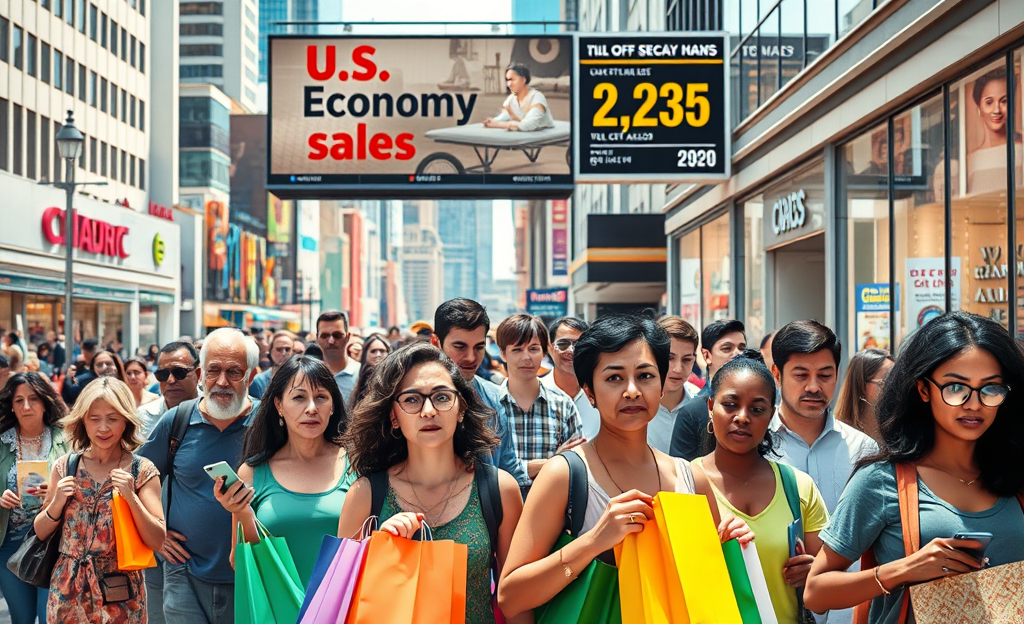
Consumer Spending has become a driving force behind the U.S. economy, which experienced an impressive growth rate of 4.3% in the third quarter of 2025. However, this growth masks a troubling trend: consumer confidence has declined for five straight months, hitting its lowest point since 2021. In this article, we will explore the factors contributing to this paradox, examining the roles of tariffs, labor market conditions, and evolving consumer behavior as they create a disconnection between spending and sentiment.
Furthermore, we will look ahead to the prospects for consumer confidence recovery in 2026.
U.S. Economic Growth Surges in Q3 2025
The U.S. economy showcased significant resilience as it expanded at a robust 4.3 percent annualized growth rate in the third quarter of 2025. This marked an impressive acceleration from prior quarters and underscores the nation’s economic vitality, even amid challenges.
Reports such as those from The Conference Board’s confidence data.
Disconnect Between Sentiment and Spending
The U.S. economy in 2025 showcases a compelling paradox where robust spending coexists with declining consumer sentiment.
This disconnect arises as consumer perspectives on the economy sink to levels unseen since 2021, reflecting apprehensions about income instability and the overall financial climate.
Despite the flourishing GDP growth, many individuals remain cautious, affected by the possible implications of tariffs and a stalling labor market.
The influence of this anxiety is noticeable in daily budgeting as concerns over potential future income instability prompt households to cut back on discretionary purchases like dining out and entertainment.
However, essential and budget-friendly items witness steady or even increased consumption as people prioritize necessities over luxuries.
Insights from retail trends suggest consumer fatigue despite the outward appearance of robust spending.
This intriguing dynamic indicates that while consumer confidence remains low, people still spend on critical needs, highlighting a nuanced narrative between actual expenditures and future financial apprehensions.
Optimistic Signals from Inflation and Tariff Stabilization
Inflation shows a modest decline and tariffs appear to level off, potentially creating fertile ground for renewed consumer optimism in 2026. As noted by Deloitte’s Economic Forecast, a slight easing of economic pressures, reflected in these key areas, signals a possible shift away from recent declines in confidence.
By addressing prevalent consumer concerns, a more stable economic environment is on the horizon, paving the way for consumer behavior to follow suit.
Here’s a snapshot of these changes:
| Month | Inflation | Tariffs |
|---|---|---|
| July | 3.2% | No change |
| August | 3.0% | Stabilized |
Consumer confidence recovery hinges on maintaining this trajectory, as inflation relief and tariff steadiness have proven vital components of economic wellness.
Though challenges remain, particularly from the labor market RSM US Outlook highlights the fading of the 1% growth drag caused by previous tariffs, offering a promising outlook for confidence to strengthen and drive future economic activity.
In summary, while robust consumer spending has fueled economic growth, declining consumer confidence presents a significant challenge.
Addressing the underlying factors may pave the way for a more optimistic outlook for consumer sentiment by 2026.



0 Comments