Consumer Spending Resilience Amid Economic Challenges
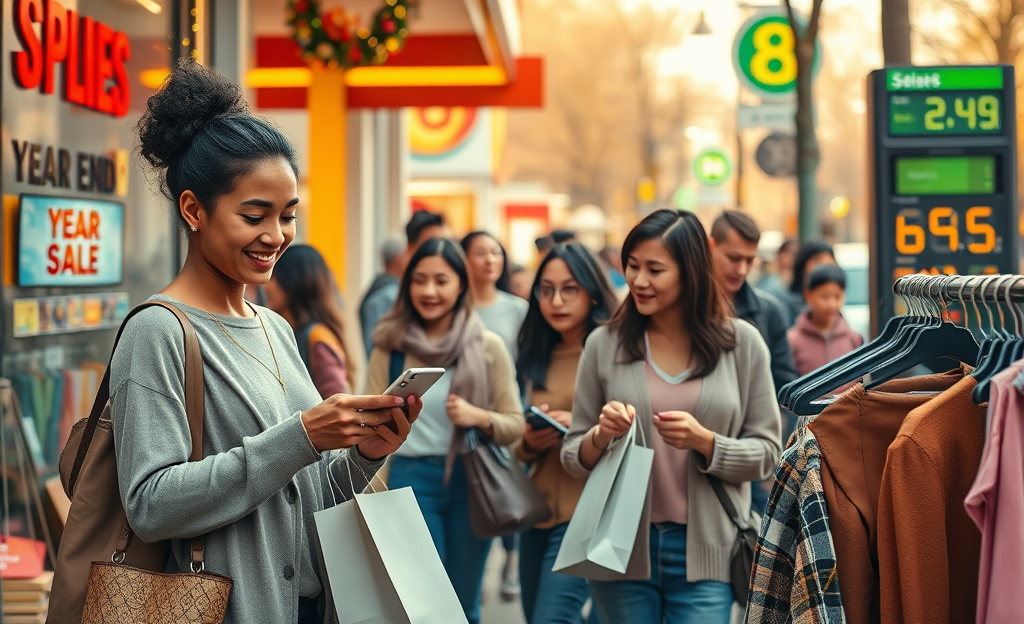
Consumer Spending remains a crucial indicator of economic health, demonstrating resilience even amid significant challenges like slow job growth and persistent inflation.
In 2025, the dynamics of consumer behavior reveal a 3.7% growth in spending, driven by increasing real earnings and hourly wages.
Despite the burden of rising costs disproportionately impacting low-income individuals, certain sectors, such as electronics and clothing, witnessed a boost thanks to year-end promotions.
This article delves into the factors influencing consumer spending trends and explores what the future may hold as we approach 2026.
Consumer Spending Resilience in 2025
Consumer spending demonstrated remarkable resilience throughout 2025, despite the backdrop of economic uncertainty.
The year encountered slow job growth and persistent inflationary pressures, yet spending held firm.
This can partially be credited to the 3.7% increase in real earnings and hourly wages for workers, which underscored consumer spending stability, offering a crucial buffer against economic challenges.
Households adeptly navigated these hurdles by prioritizing spending in areas with less inflationary impact, particularly during year-end promotions that boosted purchases of electronics and clothing.
Key factors sustaining consumer spending comprise:
- Wage growth contributing to increased disposable income
- Promotions in non-inflationary sectors
- Anticipated reductions in interest rates
As a result, consumers maintained their purchasing power.
Looking forward to 2026, anticipations include potential increases in tax refunds and further actions by the Federal Reserve, such as reducing interest rates, which could stimulate spending further.
Although low-income individuals continue to face rising costs for essentials like gas and food, the broader consumer base experiences sustained purchasing capabilities, underlining the sector’s overall health amid persistent challenges.
Inflation’s Unequal Burden on Low-Income Households
In 2025, inflation disproportionately impacts low-income households, with rising essential costs of gas and food placing a heavy burden.
These expenses make up a significant portion of their budgets, leaving less room for adjustments when prices surge.
Despite a slight decline in inflation rates, as reported by the USDA Food Price Outlook indicate food prices went up by over 3% from 2024 to 2025. The compounded burden often results in reduced economic opportunities and a deeper dependency on assistance programs, highlighting the urgent need for thoughtful economic policies.
Wage Growth as a Buffer Against Price Pressures
The 3.7% increase in real earnings has played a pivotal role in maintaining consumer purchasing power amid economic uncertainty in 2025. As inflationary pressures continue to rise, workers have seen a substantial lift in their wages, which has, in turn, bolstered their financial capacity to keep up with the cost of living.
This wage growth acts as a crucial buffer by supporting day-to-day living expenses, ensuring that consumers do not have to drastically alter their spending habits despite the broader economic challenges.
Consequently, this increase has contributed significantly to sustaining a steady level of consumer spending stability throughout the year, fostering economic resilience despite external pressures.
Moreover, the impact of wage growth on consumer confidence cannot be overstated.
When workers experience an increase in their real earnings, they naturally feel more secure in their financial position, which directly translates to their willingness to spend.
This behavior is highly beneficial for the economy, as spending drives general economic activity and growth.
With Visa’s report highlighted a 5.8% increase in electronics spending, as promotions strategically reduced perceived costs, enabling more consumers to indulge in tech purchases during this period.
Simultaneously, the clothing sector benefited from year-end sales, driving substantial consumer interest.
Retailers capitalized on seasonal fashion needs, pairing discounts with refreshed collections.
According to Visa and Mastercard reports, clothing sales grew at 5.3%.
This growth indicates how promotions heightened accessibility and attracted budget-conscious shoppers by alleviating the economic burden.
Both sectors enjoyed less inflationary pressure compared to essentials like gas and food, making these year-end promotions a strategic pivot in maintaining consumer spending and capturing market interest in economically uncertain times.
Prospects for Consumer Spending in 2026
As we look ahead to 2026, consumer spending is poised to benefit from larger tax refunds and potential interest rate reductions by the Federal Reserve.
These economic stimuli could inject substantial disposable income into households, encouraging increased consumption across various sectors.
Particularly, economists anticipate that the retail sector may see a resurgence as consumers feel more financially secure Growth in Retail Sales by JPMorgan.
Moreover, the anticipated easing of monetary policy by the Fed not only has the potential to reduce borrowing costs for consumers but also stimulate economic growth by boosting investments and hiring.
This dynamic creates an upward pressure on consumer confidence, which could translate to increased spending on durable goods, leisure, and services.
Visa Economic Insights suggest that while the labor market remains a factor to watch, these financial developments provide a cautiously optimistic outlook for 2026 consumer expenditure trends.
Overall, the influence of these financial mechanisms illustrates a pathway to sustained or even enhanced consumer expenditure moving forward.
Consumer Spending is expected to evolve in 2026 with promising predictions of increased tax refunds and potential interest rate cuts, setting the stage for continued economic resilience.



0 Comments