Green Economy Hopes Rise from Solar Investment
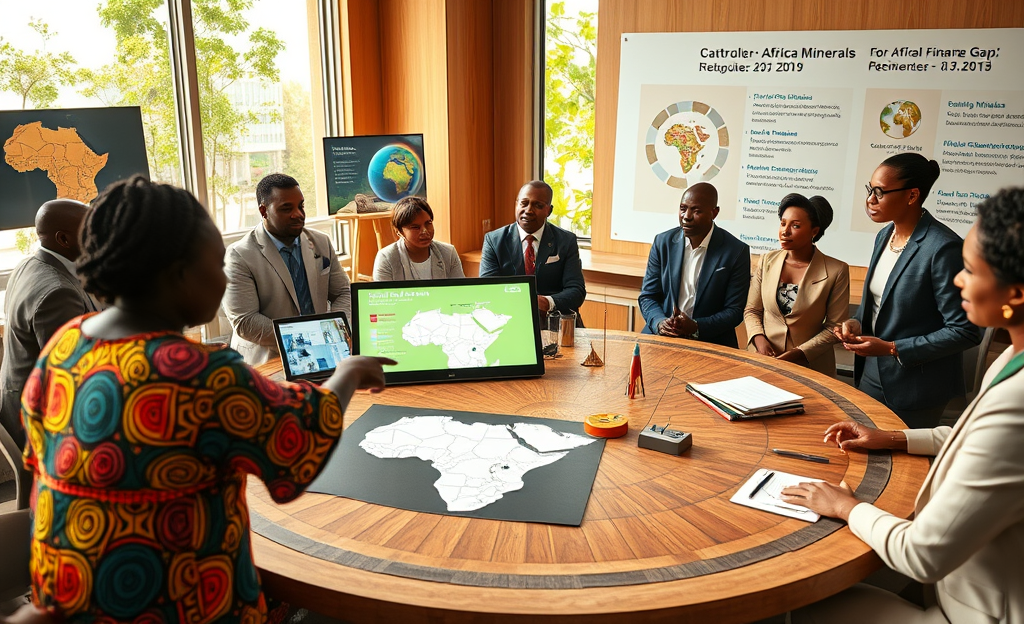
Green Economy initiatives in Africa are gaining momentum, driven by the promise of solar energy and low-carbon investments.
This article will explore the challenges and opportunities presented during the recent Africa Climate Summit in Addis Ababa, focusing on the urgent need for funding, public sector support, and infrastructure development.
With a significant financing gap hindering climate adaptation efforts and millions lacking electricity access, the commitment to renewable energy emerges as a vital solution.
We will also discuss the critical mineral race and its implications for human rights, emphasizing the importance of collaboration between wealthy nations and Africa in addressing climate challenges.
Summit Spark: Momentum for Africa’s Green Economy
The Africa Climate Summit in Addis Ababa brought together world leaders and stakeholders, converging with a renewed sense of optimism about Africa’s potential in the green economy.
However, this enthusiasm is tempered by the profound challenges facing the continent.
With a massive financing requirement of $70 billion annually just for climate adaptation and a stark shortfall given the $15 billion provided in the past year, the summit underscored a critical need for swift, decisive action.
The discussions illuminated a vital path forward, highlighting the continent’s unparalleled potential to harness solar energy and attract low-carbon investments.
As 600 million Africans still lack access to electricity, the summit emphasized the urgency of closing this gap through robust infrastructure development and significant public sector support.
Moreover, the discourse underscored the necessity for collaboration, pointing out that wealthy countries must partner with Africa to effectively address the global climate crisis.
Financing the Green Transition
Africa finds itself in dire need of $70 billion per year for climate adaptation to effectively tackle the devastating impacts of climate change that ravage its landscapes and communities.
Yet, in 2023, the continent received only $15 billion, leaving a substantial financing gap that hinders progress toward sustainability.
This shortfall results in inadequate infrastructure, insufficient renewable energy projects, and a staggering number of 600 million Africans without access to electricity.
The Landscape of Climate Finance in Africa elaborates on the barriers to closing this gap, including the heavy reliance on debt finance and an underdeveloped private sector contribution.
To illustrate the disparity, consider:
| Year | Needed | Received |
|---|---|---|
| 2023 | $70 billion | $15 billion |
This urgent challenge requires international collaboration and significant public sector support to catalyze investment and drive the needed transformation.
Renewable Energy Investment and Electrification Urgency
The urgency to address energy poverty in Africa is paramount, with 600 million people lacking access to electricity.
This staggering statistic signifies a significant barrier to the continent’s socio-economic progression.
Rapid investment in renewable energy, notably solar, is essential to bridge this gap, as noted by the International Energy Agency highlighting Africa’s vast solar potential.
Channeling investments into solar infrastructure not only expedites electrification but also catalyzes economic activities, enhancing the quality of life for millions.
Transitioning to renewable energy systems offers a plethora of advantages beyond electricity access.
It can invigorate local economies and empower communities.
Embracing investments will facilitate development leaps in sectors previously hindered by power scarcity, as relevant studies suggest.
Moreover, it positions Africa as a pivotal player in the global green economy.
- Job creation across solar manufacturing and installation
- Reduction in greenhouse gas emissions, promoting environmental sustainability
- Boost in local entrepreneurship opportunities in rural areas
Public Sector Leadership and Infrastructure Foundations
The advancement of renewable energy in Africa largely depends on effective public sector leadership and the development of solid infrastructure foundations.
Governments play a critical role in crafting policies that provide clear regulatory frameworks, which are crucial for attracting private investment.
By ensuring that these frameworks are transparent and reliable, governments can instill confidence in investors, thus fueling capital flow into renewable energy projects.
This alignment can be seen through initiatives such as Africa’s Green Energy Transition, which links renewable energy policies to broader economic strategies.
Moreover, the expansion of infrastructure—encompassing power grids, storage solutions, and transportation networks—is vital to support the deployment and sustainability of renewable energy sources.
As highlighted in energy investment discussions, robust regulatory frameworks are non-negotiable for fostering a conducive environment for both local and international investors.
Therefore, a concerted effort by African governments to enhance infrastructure aligns with their broader goals of reducing energy poverty and promoting economic growth.
Critical Minerals: Opportunity and Ethics
As the global demand for cobalt, lithium, and rare earths intensifies, Africa emerges as a critical player.
With nations fervently competing for these resources essential to renewable energy, there is a pressing need to address labor rights and environmental standards within these mining regions.
According to reports, reports of illegal mining activities and human rights abuses persist, posing significant challenges to the ethical sourcing of these minerals.
Additionally, revelations about forced labor and unsafe working conditions demand closer scrutiny.
The race for Africa’s minerals, while holding substantial economic promise, invites questions about sustainability and fairness.
To effectively bridge this gap, it’s crucial for both African governments and international stakeholders to enforce human rights protocols and establish robust frameworks for accountability.
By doing so, Africa can transform its mineral wealth into a catalyst for sustainable progress, benefiting both local communities and the global economy without compromising on ethical standards.
Shared Climate Responsibility: International Collaboration
Africa’s pivotal role in global climate stability necessitates strong collaborative efforts with high-income countries, focusing on finance, technology, and knowledge sharing.
Investment in renewable energy is crucial to address the daunting financing gap, with the continent requiring at least $70 billion annually for climate adaptation.
The Africa Climate Summit in Addis Ababa emphasized this urgency.
Enhancing technology transfer is equally critical, providing African nations the tools to harness solar energy and critical minerals sustainably.
Additionally, the South African initiative in ocean sustainability highlights environmental priorities demanding shared knowledge.
Transitioning to a green economy enriches both Africa and wealthier nations through shared prosperity.
Only through genuine partnership can both Africa and wealthier nations meet their climate goals, creating a resilient, sustainable future collectively.
This inspiring call urges us all to unify for a secure, climate-stable world.
Green Economy prospects in Africa hinge on overcoming financial barriers and prioritizing human rights in resource extraction.
By fostering partnerships and investing in renewable energy, we can ensure a sustainable future that benefits both the continent and the global community.



0 Comments