How to Safely Secure Auction Cars
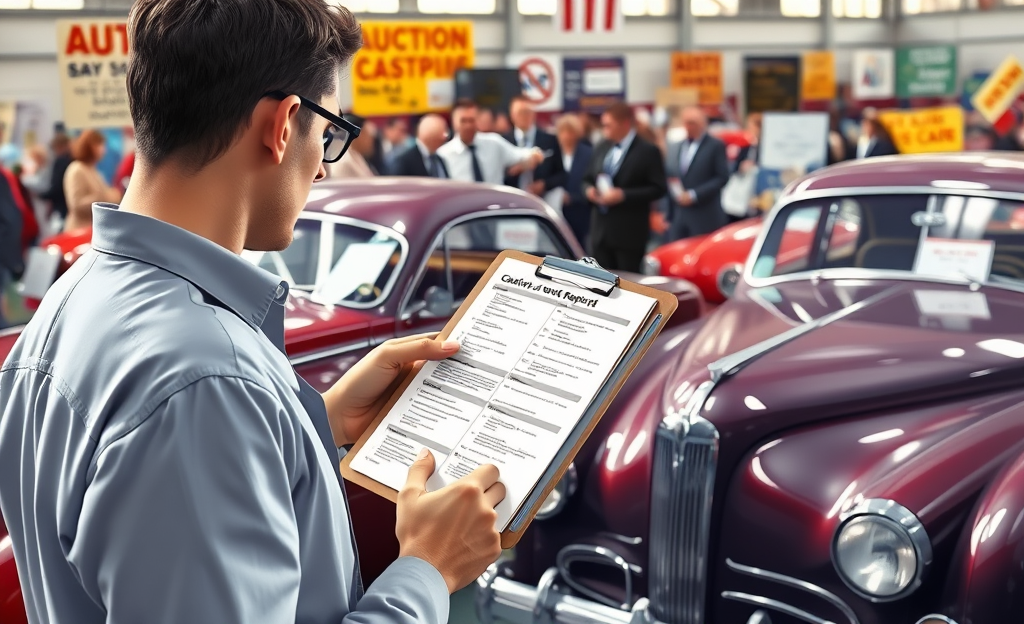
Auction Security is a crucial aspect to consider when purchasing vehicles through auctions.
With numerous opportunities available, it’s essential to navigate this process carefully to ensure a safe and successful transaction.
Bid on your dream vehicle today!
Discover unbeatable auction prices!
Find your next ride at a great price!
In this article, we will explore key steps to securing auction cars effectively.
From conducting thorough research on the car’s history to inspecting the vehicle in person, setting a budget, and utilizing secure payment methods, we will guide you through the necessary precautions to make informed decisions.
By following these steps, you can protect your investment and enjoy the thrill of acquiring your dream vehicle.
Research the Vehicle’s Background
Before bidding on an auction car, it’s essential to obtain a detailed vehicle history report from trusted sources like Carfax or AutoCheck.

These services compile extensive data, including accident records that often list date, severity, and location.
Look for repeated repairs or rebuilt titles—these can signal serious past damage.
Additionally, identifying ownership verification helps ensure the title is clean and the seller is legitimate.
Always cross-check VIN numbers.
A mismatch could indicate a fraudulent listing or even a stolen vehicle.
Interpreting a report requires attention to patterns in service history.
Consistent oil changes, brake checks, and major services at reputable dealerships suggest the vehicle was well-maintained, while gaps in service dates might point to neglect.
Mileage should increase steadily; sharp jumps could indicate odometer tampering.
Relevant text includes manufacturer recalls and lien records, which influence a car’s safety and legal status.
Learning to identify red flags within these reports empowers buyers to confidently assess auction vehicles before placing any bids.
Use this insight along with professional inspection to make informed decisions every time.
Conduct an In-Person Inspection
Upon approaching a vehicle at an auto auction, begin by visually scanning the body lines and contours for misalignments—this can suggest frame damage.

Next, crouch near the vehicle and look underneath for bent rails or unusual welds, which often indicate past structural repair.
Once you’ve assessed this, proceed to open the hood and inspect the engine condition.
Check for signs of leaks, corrosion, or worn belts, and test the dipstick for oil discoloration, which reveals internal engine wear.
Then, move to the wheels and inspect each tire for even tread wear and age.
Uneven wear may point to alignment issues, while cracking or bald spots reduce safety.
Finally, look through the wheel spokes to check the brake rotors and listen for grinding sounds, which can indicate worn pads or warped rotors.
This physical assessment ensures the vehicle’s mechanical integrity before making a purchase decision.
Use Secure Payment Practices
Avoiding fraud during a vehicle auction hinges on using secure and traceable payment methods.
Rather than paying with cash, which is risky and lacks documentation, choose a verified wire transfer directly between banks.
This route adds a layer of security and transparency.
Services like Escrow.com offer a safe middleman solution where funds are held until all ownership terms are verified, providing protection for both buyer and seller.
Additionally, using reputable digital payment platforms such as PayPal can be effective, especially for smaller transactions, since they offer buyer protection mechanisms when properly used.
Buyers should remain cautious about unofficial methods.
Handing over cash with no receipt exposes you to fraud.
Scammers often rely on the anonymity of untraceable transactions to target trusting buyers.
If the seller insists on a rapid exchange without authorized documentation, that is a critical red flag.
Always confirm the identity and legitimacy of the seller, and double-check bank details before sending any funds.
Moreover, digital platforms must show a proven track record of reliability to ensure your finances are safe.
When in doubt, pause the transaction until you verify the safety of the process—peace of mind now avoids major losses later.
Finalize Accurate Paperwork
Completing the title transfer, bill of sale, and registration forms is crucial for legally transferring ownership of an auction vehicle.

Buyers must verify the Vehicle Identification Number (VIN) across all documents to avoid discrepancies and prevent title issues.
Always ensure both buyer and seller signatures are present, with correct sale dates and purchase price clearly recorded.
Verify watermarks on state titles to confirm document authenticity and avoid counterfeit paperwork.
Some states may require notarization of the title or additional emissions and safety inspections.
For detailed DMV requirements, refer to your state’s official site such as DMV Title Transfer Guide.
Arrange Professional Vehicle Transport
Choosing a licensed carrier ensures your auction vehicle is handled by professionals regulated by federal and state guidelines.

These companies meet strict safety and operation standards, reducing risks associated with unqualified operators.
Compared to unlicensed options shown earlier, licensed transporters provide better reliability, legal accountability, and peace of mind.
Verification through the FMCSA’s database or platforms like FMCSA Company Snapshot helps confirm credentials quickly and effectively.
Additionally, enclosed transport protects your investment from weather, road debris, and potential theft—especially essential for exotic or collector cars.
While open transport is more budget-friendly as seen in the earlier table, enclosed shipping offers superior protection and discretion from pickup to delivery.
Don’t overlook adequate insurance; verify that both carrier and shipping method include full coverage for possible damage or loss.
Always request the certificate of insurance and understand the policy limits before finalizing your choice.
This multi-layered approach significantly boosts your vehicle’s safety and overall shipping success.
Secure Long-Term Storage
When selecting a long-term storage solution after an auction purchase, opt for a structurally sound garage, a secured lot with robust surveillance, or a climate-controlled facility to safeguard the vehicle against theft and environmental stress.

Climate regulation helps prevent rust, mold, and battery degradation, especially in extreme weather zones.
Meanwhile, lighting and cameras deter unwanted access in outdoor secured lots.
Beyond location, take additional steps to reinforce security systems.
For instance, Install a motion-sensing alarm and a steering-wheel lock.
These simple upgrades serve as powerful deterrents that enhance protection and reduce the risk of property damage or vehicle loss.
Common Security Pitfalls to Avoid
Many buyers jeopardize their auction car purchases by making critical security mistakes that are easily avoidable with due diligence.

One of the most damaging errors is failing to verify the car’s title status, which opens the door to purchasing vehicles with salvage or rebuilt titles that reduce resale value and insurance eligibility.
Equally risky is skipping a lien search, which can lead to repossession even after you’ve paid in full.
Buyers also often neglect to research a vehicle’s background using trusted services like Carfax or AutoCheck, exposing themselves to undisclosed damage or theft histories.
Rushing into bids without setting a clear budget is another trap that results in severe financial strain.
Moreover, using insecure payment methods increases the risk of fraud.
Once the purchase is completed, transporting the vehicle with unverified services can lead to theft or damage, turning your investment into a liability
In conclusion, prioritizing auction security is vital for a successful car purchase.
By adhering to the outlined steps, you can mitigate risks and ensure a smooth transaction while securing your new vehicle safely.