Inflation Reduction Faces Rising Costs And Protests
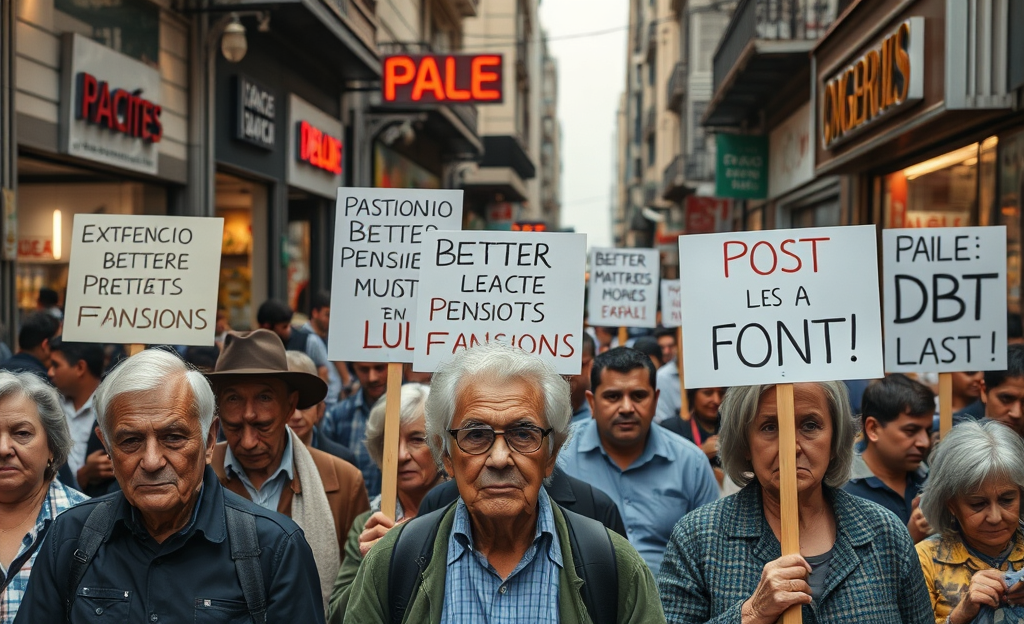
Inflation Reduction has been a key focus for Argentina’s president over the past 1.5 years, achieving a remarkable decline in inflation rates.
However, this achievement stands in stark contrast to the harsh economic realities faced by residents of Buenos Aires.
With stagnating wages and soaring costs for essential goods, many families struggle to make ends meet.
This article delves into the complexities of Argentina’s economic landscape, including the challenges posed by austerity measures and the rising debt crisis among families, while exploring the potential need for structural changes to ensure sustainable growth and improve living conditions.
Inflation Decline and Emerging Socio-Economic Strains
The Argentine president achieved a remarkable feat by reducing inflation from 25% in December 2023 to 1.6% in June 2025.
This marks the lowest rate since 2020, representing a pivotal moment for the country’s economic outlook.
Leveraging a strategic blend of fiscal policies and monetary tightening, the administration managed to bring about price stability that had been elusive for many years.
However, despite this crucial progress, Buenos Aires residents are grappling with significant financial burdens, significantly impacting their daily lives.
- Stagnant real wages eroding purchasing power
- Rising costs of essential goods affecting household budgets
- Increasing rent prices outpacing income growth
These challenges reflect the broader economic strains in Argentina, as outlined in detailed studies and analyses like the BBC article on the president’s economic policies.
As the government continues to navigate through these issues, the need for sustainable economic reforms becomes increasingly evident to secure a stable economic future for Argentine citizens.
Economic Challenges in Buenos Aires: Wages and Essential Costs
The metropolitan citizens of Buenos Aires are grappling with a widening economic disparity, as limited wage growth drags behind the rising prices of essential goods.
According to recent data, while salaries have stagnated, the power to purchase basic necessities such as yerba and milk has decreased significantly.
The real wage index −12% YoY worsens the economic plight for many.
Families find themselves allocating more than half of their debts to food-related expenses, amplifying financial stress on households.
A report highlights a significant income decline, exacerbating the cost of living crisis.
Experts maintain that structural reforms are crucial for economic stability.
The populace’s endurance is evident through protests, with retirees especially vocal due to inadequate pensions.
Effective policy measures are urgently needed to realign wage growth with inflation and alleviate household debt burdens.
Argentina’s High Cost of Living in a Regional Context
The paradox of Argentina’s economic landscape becomes evident when considering the stark contrast between its high cost of living and low wages.
Argentina stands out as one of the most expensive countries in Latin America, while wages remain comparatively low.
Despite a significant reduction in inflation, the efficiency of minimum wages in covering average living costs is still lacking.
| Country | Cost-of-Living Index | Average Monthly Wage (USD) |
|---|---|---|
| Argentina | 85.4 | 430 |
| Brazil | 75.6 | 520 |
| Peru | 68.5 | 490 |
Amid these economic strains, 91% of Argentine families grapple with debt, a reflection of daily hardships and challenges that underscore this severe economic disparity, leaving much to address for genuine economic recovery.
Protests and Resistance to Austerity Measures
Protests against austerity measures in Argentina have intensified, particularly among retirees who find themselves grappling with pensions below the minimum wage.
A notable aspect of this resistance is the weekly rallies outside Congress where pensioners, backed by various groups, gather to express their grievances.
“The wave of cuts, particularly affecting the elderly, fuels discontent,”
a report on the protest reveals.
The roots of this unrest lay in the drastic public spending cuts implemented by the Argentine government: measures intended to address fiscal deficits but resulting in severe repercussions for the most vulnerable factions of society.
In Buenos Aires, the financial strain is palpable, with stagnant wages and escalating essential goods costs exacerbating tensions.
Frequently, as detailed in an EFE article, demonstrators confront not only financial inequalities but also potential police repression, highlighting the tumultuous nature of their struggle.
Despite the economic improvements, the structural challenges these pensioners face suggest that mere adjustment of fiscal policies may fall short.
Household Debt and Food Insecurity
91% of households hold debt in Argentina, with 58% of those debts funding food purchases.
As families struggle to maintain their basic nutrition, they face deeper financial challenges.
Experts have warned that this alarming trend threatens the social fabric of the nation.
As families grapple with financial instability, they resort to credit cards and loans for survival.
This dependency on borrowed money for food expenses is a clear indicator of deteriorating economic conditions.
In addition to food, other frequent debt motives include
- Utility bill arrears
- Educational costs
- Healthcare expenses
.
Resistance to the government’s measures to curb public spending has intensified, amplifying social unrest.
“Without substantial structural changes, these economic policies might lead to a socioeconomic crisis,” experts advise
.
Argentina’s position as one of the most expensive countries in Latin America, coupled with stagnant wages, exacerbates the situation.
The ongoing debt challenges only demonstrate the nation’s need for urgent economic reforms.
Long-Term Sustainability of Current Economic Policies
Amid a backdrop of economic turmoil in Argentina, experts critique the government’s reliance on austerity measures to stabilize the economy.
Such measures have successfully curbed inflation to one of its lowest levels since 2020. However, many argue that without deeper structural reforms, these cuts may prove unsustainable.
Economists highlight that a sole focus on reducing public spending can exacerbate existing issues like stagnant wages and rising essential goods costs, leading to dissatisfaction among various demographics.
Read Argentina’s sustainable strategy as it underlines the need for an integrated approach that prioritizes social and economic stability.
Additionally, CIPPEC’s insights emphasize a reoriented development strategy essential for true sustainability.
“Without structural adjustments, the current fiscal policy might not shield the population from deep-rooted economic disparities,”
warn analysts concerned about long-term impacts.
Such warnings underline an urgent need for comprehensive economic reforms to fortify the national economic structure sustainably.
In summary, while the government has made strides in Inflation Reduction, significant challenges remain for Argentine families.
Addressing these economic struggles is crucial for a more stable and prosperous future.


0 Comments