Larval Seedboxes Boost Coral Colonization Success
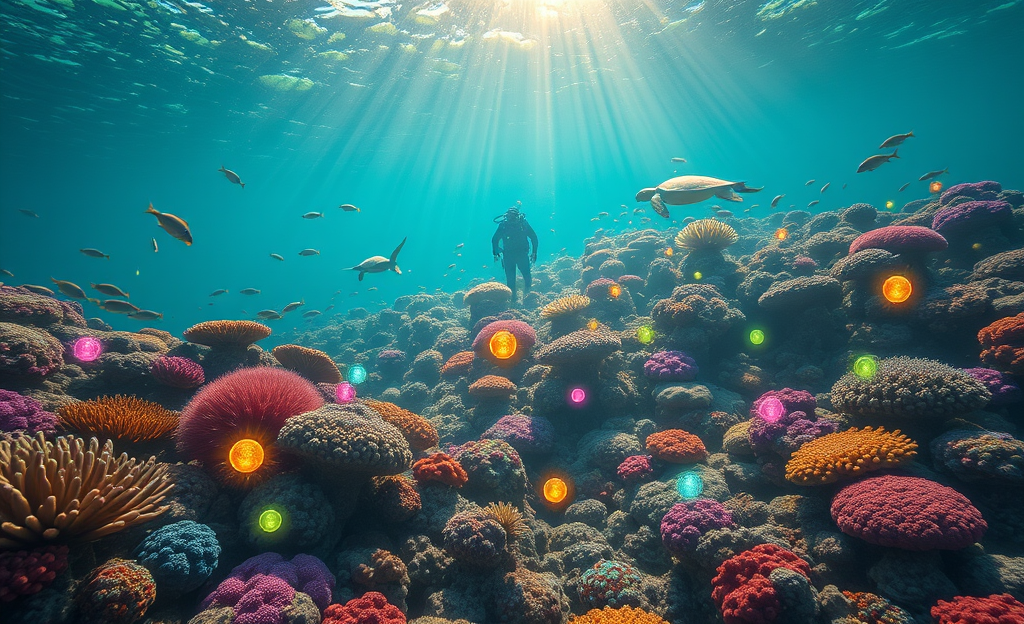
Coral Colonization is a critical factor in the restoration of the Great Barrier Reef, especially in the face of environmental challenges.
This article delves into groundbreaking research conducted in 2024, which revealed a significant increase in coral colonization through the innovative use of larval seedboxes.
Initial tests at Lizard Island showed a remarkable 56-fold increase in coral growth over expansive areas of degraded reef.
As we explore this promising technique and its implications, we will also discuss upcoming tests aimed at further understanding its effectiveness and the long-term monitoring required to ensure successful coral restoration.
Breakthrough Results on the Great Barrier Reef
Breakthrough results on the Great Barrier Reef have emerged, showcasing the revolutionary potential of larval seedboxes.
These innovations have dramatically amplified coral recovery, achieving a remarkable 56-fold increase in coral colonization across thousands of square meters during the 2024 test at Lizard Island.
This success not only demonstrates the effectiveness of the technique but also positions it for broader adoption in reef-scale restoration efforts.
Why Slowing Larval Dispersal Works
Larval seedboxes effectively slow dispersal of coral larvae, which significantly enhances their survival and settlement.
By keeping concentrated larvae in degraded areas, these structures provide a lifeline for struggling reefs.
This method harnesses the natural tendency of larvae to settle when they find suitable substrates, thus increasing the likelihood of forming new coral colonies.
The design is both simple and cost-effective, a major plus for widespread implementation.
Furthermore, this controlled approach brings several immediate ecological advantages:
- Enhanced local larval retention
- Increased chances of successful colonization
- Support for biodiversity
- Boosts overall reef resilience
Data from the initial trials, like those published in CSIRO’s larval seedbox technology is pivotal in these trials.
Site Key Outcome Lizard Island Up to 56-fold increase in coral colonization Whitsundays Assessing effectiveness under varied conditions
Emphasizing the long-term effectiveness of this approach is essential to ensure marine ecosystem resilience.
Scalability and Cost-Effectiveness
Larval seedboxes offer a simple and cost-effective solution for large-scale reef restoration.
Because they are lightweight and reusable, these modular devices can be efficiently distributed across vast reef areas without the need for specialized equipment, making them an ideal tool for rapid deployment.
The practicality extends beyond just the design, as seen in the successful tests conducted at various locations.
Consistently boosting coral settlement by up to 56 times, as demonstrated in the recent trials at the Great Barrier Reef, seedboxes prove their immense potential.
The widespread adoption of this technique is crucial to enhancing reef resilience against environmental pressures.
Deployment steps include:
- Place seedboxes in targeted degraded reef areas
- Ensure strategic alignment with natural water flow
- Monitor coral larval release during spawning
The straightforward process underscores how scalable the technology is, promising a sustainable future for coral ecosystems.
Research Support and Forthcoming Publication
The groundbreaking research on larval seedboxes draws significant support from the Great Barrier Reef Foundation, which collaborates extensively with other key institutions.
Their commitment positions them as leaders in addressing challenges facing the Great Barrier Reef.
This pioneering study, initially tested at Lizard Island, is set to make waves in Ecological Applications, a journal offering a prestigious platform for this vital discourse.
Notably, this research unlocks potential global implications for coral restoration, highlighting the collaborative effort between science and conservation initiatives.
By exhibiting an up to 56-fold increase in coral colonization, this technique promises accelerated reef restoration, an ambition driven by urgency to mend degraded habitats.
The impending publication with Ecological Applications showcases the Great Barrier Reef Foundation’s dedication to actionable science, propelling transformative solutions for our oceans.
Consequently, these efforts will inform and inspire ongoing and future coral conservations globally.
In conclusion, the advancements in coral colonization techniques offer hope for the preservation of the Great Barrier Reef.
Continued research and monitoring are essential to maximize the potential of these innovative methods and ensure a thriving marine ecosystem for future generations.



0 Comments