Learn Safe Ways to Get Money Easily and Securely
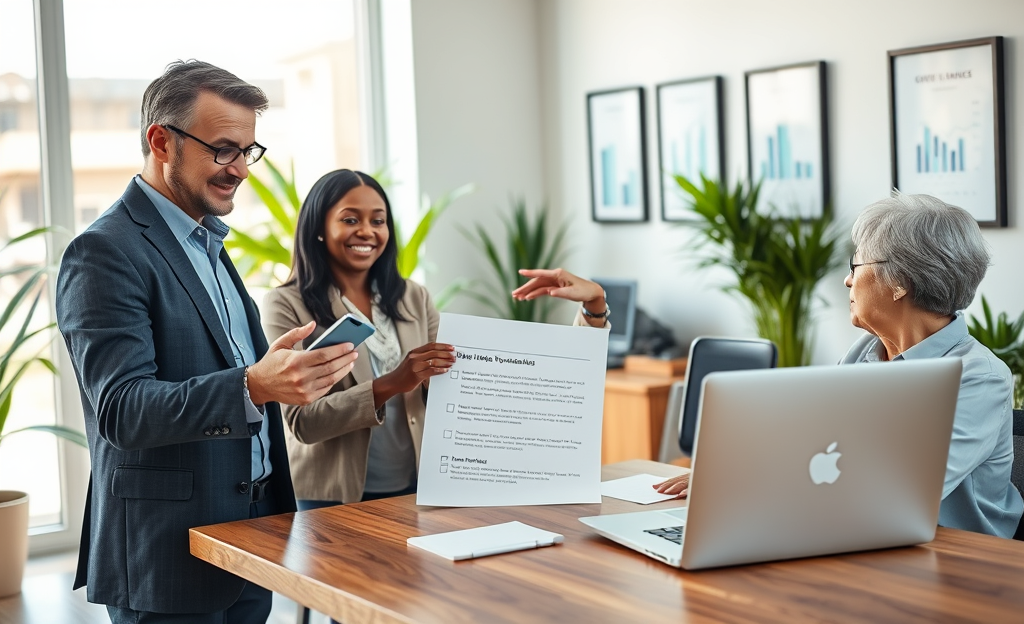
Safe Payments are crucial in today’s digital age, where online transactions are becoming increasingly common.

This article explores various secure methods for handling payments, offering valuable insights for both sellers and buyers.
Explore Desjardins personal loans from CA$4,500 to CA$12,500
Get online approval for personal loans up to CA$9,500
Review Servus Credit Union personal loan analysis
We will delve into the safest ways for sellers to accept payments and discuss buyer protection platforms that can enhance security.
By understanding bank transfers, cash transactions, checks, money orders, wire transfers, and electronic money transfer services, you can navigate the world of online payments with confidence.
Our goal is to equip you with the knowledge needed to ensure safe and secure transactions.
The Importance of Secure Payment Choices
Choosing a secure channel to receive money is not just a smart move; it is a necessity in our digitally-driven world.

Security in payment methods helps mitigate risks like chargebacks, where buyers might dispute transactions unfairly, and counterfeit bills that can result in financial loss.
Moreover, frozen accounts due to irregular activities can disrupt cash flow and business operations.
Hence, selecting secure payment methods becomes imperative.
Verified bank transfers offer trustworthy and direct transactions with minimal chance of fraud, ensuring both parties have a documented trail for every transaction.
Digital wallets, with their advanced encryption, provide another layer of security as they protect personal financial information.
Platforms like PayPal, known for offering buyer and seller protection, stand out as they ensure transaction integrity and build trust between parties.
These platforms act as intermediaries, making disputes easier to handle, thus maintaining smooth communication between involved parties.
In navigating these methods, referencing materials such as Secure Payment Systems Guide can further enlighten users on best practices to protect their finances.
Secure payment choices are fundamental in establishing safe financial transactions and fostering trustworthy relationships in any business setting.
Buyer-Protected Platforms in Practice
Buyer-protection platforms act as intermediaries to secure transactions, ensuring that payments are safely held until all conditions are met.

For example, platforms like PayPal and Escrow.com are renowned for safeguarding both buyers and sellers.
They verify funds and manage transactions until the satisfactory delivery of products or services.
Verification procedures typically include confirming payment sources and buyer identity to ensure a smooth operation.
While fees can vary, they are often tiered based on transaction size or type, with some platforms applying additional charges for stringent protection levels.
A key component of buyer-protection platforms is their dispute resolution process.
PayPal, for instance, provides a structured approach to address discrepancies, offering resources to contest charges if the product isn’t as described.
Sellers should remain vigilant about common red flags, such as requests for rushed shipping without proper verification.
They are advised to never bypass the platform’s transaction process, as doing so could compromise their security and negate the protection benefits.
Therefore, understanding a platform’s protective measures can significantly reduce exposure to fraudulent activities.
Receiving Bank Transfers and Cash Safely
Receiving payments through bank transfers offers the advantage of immediate accessibility and security, allowing sellers to confirm funds before completing a transaction.
On the other hand, accepting cash in-person provides instant payment but carries the risk of theft or counterfeit notes, making it crucial for sellers to exercise caution.
While both methods have their benefits, understanding the irrevocability of bank transfers versus the immediacy and risks of cash can help ensure safer transactions.
Verifying Bank Transfer Authenticity
To ensure the legitimacy of a bank transfer, first verify the sender’s details and account information meticulously.
Contact the bank using a reliable number, not one provided in potentially fraudulent emails, to confirm the transfer’s authenticity.
Beware of avoid fake notifications by ensuring you receive standard confirmation messages directly from the bank.
Furthermore, familiarize yourself with any signals of fraud; suspiciously high amounts or unknown sender details warrant caution.
Leveraging resources like Fraud Prevention with Certifid could aid in identifying authentic wire instructions.
Finally, always adhere to secure practices to protect your finances.
- Wait for the transfer to clear before shipping goods.
- Verify the transfer through the official bank communication means.
- Use recognized, secure electronic transfer platforms.
- Document every interaction related to the transaction.
Conducting Safe Cash Exchanges
When planning an in-person cash exchange, prioritize safety by choosing well-lit public locations such as bank lobbies or cafes.

These venues ensure visibility and provide a secure environment for both parties.
To further safeguard the transaction, implement effective counting protocols.
Both parties should clearly count the bills in each other’s presence, ensuring accuracy and transparency.
Additionally, the use of counterfeit-detecting pens can verify bill authenticity, reducing the risk of fraud.
Emphasize that safety first remains the utmost priority during such exchanges, offering peace of mind and confidence to all involved in the transaction.
Understanding Wire Transfers
A wire transfer is a secure method for electronically sending large sums of money quickly between banks.
The process begins with the sender authorizing their bank to transfer funds.
The receiver’s bank then confirms the availability of funds.
For greater safety, always verify instructions
Wire transfers are beneficial because they are generally fast and reliable, especially for international transfers.
However, they usually come with higher fees compared to other methods like standard bank transfers.
Key risks associated include fraudulent instructions, urging users to carefully verify sender details by using multi-step verification
Below is a comparison of wire transfers with other transfer methods:
| Method | Speed | Cost | Security |
|---|---|---|---|
| Wire Transfer | Fast | High | Secure with risks |
| Standard Bank Transfer | Moderate | Low to medium | Secure |
| Digital Wallet | Instant | Varies | Secure with risks |
Using Instant Money Transfer Apps Responsibly
In an era where instant money transfer apps like Venmo, Zelle, and Cash App dominate the market, ensuring security is paramount.

These platforms offer convenient and quick ways to receive money, but users must stay vigilant to prevent fraud.
Security protocols, like encryption and user verification processes, offer protections, yet the responsibility partially lies with the user.
Important to note are transaction limits set by apps, which are often measures to curb large-scale fraud attempts.
For instance, Venmo imposes a weekly limit of $299.99 unless identity verification is completed.
Such limits highlight the platform’s attempt to safeguard users while maintaining convenience.
Relevant text regarding the irreversible nature of instant transfers is crucial; once a transaction is processed, recovering funds from a fraudulent transaction can be challenging, if not impossible.
Therefore, receivers should verify the identity of senders they might be unfamiliar with.
Utilizing security best practices enhances safety, such as verifying transaction details thoroughly and avoiding sharing private information.
- Enable two-factor authentication
- Use strong, unique passwords for each app
- Regularly monitor account activities
Evaluating Checks and Money Orders
When evaluating the authenticity of checks and money orders, scrutinizing physical security features becomes crucial.
Look for watermarks, which are embedded into the paper, not just printed on top.
Authentic checks often have micro-printing, which appears as a thin, crisp line to the naked eye but reveals tiny text under magnification.
These features are designed to deter counterfeiters using high-quality scanners and printers, as outlined in Check Fraud – United States Postal Inspection Service.
Additionally, verifying the check by contacting the issuing bank is paramount.
Always search for the bank’s contact information online rather than relying on the phone numbers provided on the check itself.
Relevant text, calling the bank ensures that the check is legitimate.
Observing the bank’s holding period is equally vital.
Waiting a few days to ensure the funds have cleared protects against scams.
Confirming Online Payment Legitimacy
Sellers and freelancers need to ensure the authenticity of an online payment before proceeding with any shipment of goods or services.

Start by accessing the official transaction status through your online banking account.
Checking the status will help verify if the payment has been completed successfully.
Additionally, confirm bank deposits in your account to ensure funds are immutably secured.
It’s wise to authenticate payments using the provided transaction ID by contacting your bank directly.
You should also scrutinize the payment details meticulously and demand a bank-generated PDF as confirmation, avoiding screenshots which can be easily manipulated.
Spot phishing attempts by examining sender details and ensuring all communications stem from verifiable points of contact.
It’s essential to stay cautious and adhere to safe practices like using protected payment gateways offering buyer and seller protection.
Remember, patience and due diligence can prevent many scams as rushing into transactions can lead to unnecessary risks.
Trust but verify, and ensure that every step taken fortifies your transaction’s security.
In conclusion, prioritizing safe payments is essential for a secure online experience.
By following the guidelines outlined in this article, both sellers and buyers can protect themselves and ensure smooth transactions in the digital marketplace.