xAI Sues OpenAI And Apple Over Antitrust Claims
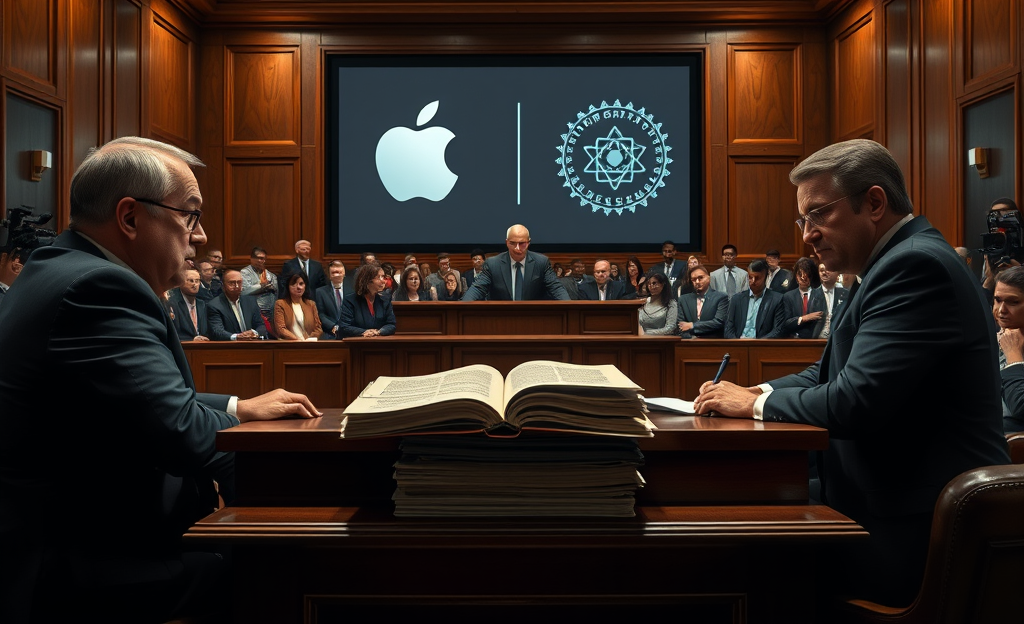
Antitrust Practices have taken center stage as xAI initiates a legal battle against tech giants OpenAI and Apple in a Texas court.
The lawsuit accuses these companies of engaging in anticompetitive behavior to dominate the markets for smartphones and generative AI chatbots.
With claims that their partnership hinders competition in the AI sector, xAI is seeking billions in damages, alleging an unlawful conspiracy that exploits Apple’s significant market power.
This article will delve into the details of the lawsuit, the implications of these allegations, and how they may reshape the landscape of technology and innovation.
Filing and Core Allegations
xAI has initiated a lawsuit in a Texas court against both OpenAI and Apple, accusing them of anticompetitive practices aimed at monopolizing the smartphone and generative AI chatbot markets.
The lawsuit alleges that a partnership between the two companies restricts competition in these sectors, raising concerns about market dominance and consumer choice.
The complaint outlines several core accusations that highlight the alleged unlawful nature of their collaboration.
Challenged Partnership Between Apple and OpenAI
The partnership between Apple and OpenAI involves integrating ChatGPT into Apple’s ecosystem, specifically across iOS, iPadOS, and macOS devices, creating a significant technological synergy.
This collaboration offers seamless access to AI capabilities exclusively through Apple products, as described in OpenAI’s official announcement.
Critics, particularly Elon Musk’s xAI, argue that this arrangement effectively monopolizes the generative AI chatbot market.
The exclusivity allows only ChatGPT integration, potentially blocking competitor innovations, which xAI claims is an unlawful conspiracy leveraging Apple’s market dominance.
Antitrust Details and Financial Claims
The antitrust claims made by xAI against OpenAI and Apple highlight specific practices such as exclusive dealing, tying arrangements, and the refusal to license APIs, which are said to limit competition in both the smartphone and generative AI chatbot markets. xAI argues that these practices enable Apple to leverage its market dominance, ultimately stifling innovation and restricting consumer choice.
To support its case, xAI is seeking damages amounting to billions and outlines its calculations by analyzing the financial impact of lost market opportunities and diminished competition resulting from the alleged anticompetitive behaviors.
Alleged Market Effects
The collaboration between Apple and OpenAI allegedly results in stifled innovation and limited consumer choice, as claimed by xAI.
By making certain AI technologies exclusive to Apple devices, the partnership reportedly raises barriers for other AI developers who aim to gain market entry.
This agreement could lead to higher prices for consumers and perpetuate a monopolistic ecosystem that is difficult for competitors to penetrate. xAI argues that this limits competition significantly, leaving consumers with fewer options and potentially diminished technological advancements.
Importantly, the lawsuit underscores the implications of such exclusivity, as this platform control “locks users into Apple hardware,” which further amplifies the competitive disadvantage faced by other companies.
“The alleged practices are a calculated strategy to lock out competition and fortify Apple and OpenAI’s market dominance.
“
Damages Sought
The calculation method for antitrust damages in the xAI lawsuit against Apple and OpenAI involves a meticulous assessment of lost profits, treble damages, and a punitive component.
Initially, the court evaluates the lost profits by determining the revenue xAI lost due to the alleged anticompetitive actions.
Then, under federal law, the potential damages claim gets tripled, resulting in treble damages specifically designed to discourage violators of antitrust laws.
Additionally, a punitive component may be incorporated to further penalize egregious conduct, thus magnifying the total claim to potentially amount to billions in assessments, thereby impacting the entire industry.
OpenAI’s Position
OpenAI has vehemently dismissed claims filed by xAI, describing the lawsuit as part of a harassment allegations pattern by Musk’s firm.
In response to xAI’s anticompetitive accusations against their partnership with Apple, OpenAI asserts the litigation represents a strategic maneuver rather than a genuine legal grievance.
According to sources like OpenAI’s response via Reuters, the company frames the lawsuit as a continuation of Musk’s alleged tactic of leveraging legal avenues to disrupt competitors.
OpenAI’s spokesperson underscored the character of these allegations as spurious, aligning with historical tech-sector legal battles where entities seek dismissal based on similar grounds.
This perspective suggests an intent not only to dismiss the charges but also to challenge the credibility of the ongoing legal pursuit.
As emphasized by OpenAI,
“We view this filing as meritless and harassing.” — OpenAI spokesperson
In conclusion, the lawsuit filed by xAI against OpenAI and Apple raises significant questions about antitrust practices in the tech industry.
As the case unfolds, it could have far-reaching effects on competition and market dynamics in both the smartphone and AI chatbot sectors.



0 Comments