Iranian Rial Hits Record Low Amid Sanctions Pressure
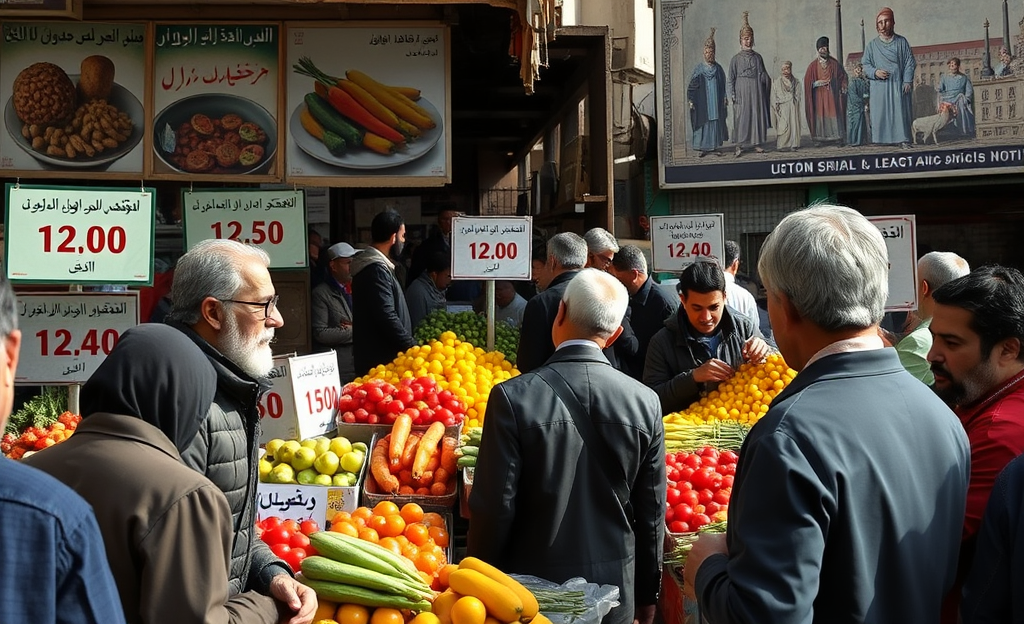
Currency Crisis in Iran has reached alarming levels as the rial plummets to an unprecedented 1.2 million per US dollar, fueled by escalating nuclear sanctions.
This article delves into the intricate web of factors contributing to this economic turmoil, exploring how stalled negotiations on Iran’s nuclear program exacerbate the situation.
As food prices soar and foreign currency inflows dwindle, concerns mount over the Iranian government’s ability to maintain crucial infrastructure.
Furthermore, the implications of the US withdrawal from the nuclear deal and the recent reimposition of UN sanctions will be critically examined.
Currency Depreciation Amid Nuclear Sanctions
The Iranian rial has reached an unprecedented exchange rate of 1.2 million per US dollar, largely due to the nuclear-related sanctions imposed on Tehran’s economy.
These sanctions, reinstated after the US’s withdrawal from the nuclear deal in 2018, have significantly tightened financial conditions, leading to profound economic strains.
The constraints on accessing foreign currency further exacerbate inflation pressures, affecting every layer of the Iranian economy ABC News.
As a consequence, the effects ripple through households struggle with escalating prices of basic goods, while businesses face mounting operational costs and limited import options.
Government revenues are also under severe stress, hindering infrastructure maintenance and public services.
The economic pressure is evident across sectors, suggesting a challenging path ahead for Iran, both economically and socially.
The complexity of this situation compounds as diplomatic efforts to restart nuclear negotiations remain stalled SSB Crack News.
Stalled Nuclear Negotiations and Economic Impact
The stalled negotiations surrounding Iran’s nuclear program cast a shadow of uncertainty on the regional market, effectively freezing foreign investments and exacerbating economic fragility.
As talks remain in limbo, financial forecasts seem increasingly bleak, leaving investors weary about the economic future of Iran.
This gridlock inevitably translates into widening budget gaps and dwindling foreign reserves, which have left the economy hanging by a thread, struggling to maintain stability.
Fresh downward pressure mounts on the rial, now trading at an unprecedented low of 1.2 million per U.S. dollar.
According to Bloomberg Economics, “the currency slide mirrors investor pessimism,” illustrating how the compounding effects of fiscal strain severely hinder Iran’s economic resilience and aggravate the everyday struggles of its citizens, with rising costs for basic goods amplifying societal grievances.
Rising Food Prices and Inflationary Strain
The plunge of Iran’s rial coupled with intense sanctions has ignited a volatile economic situation, particularly evidenced by the rising food prices.
As the sanctions constrict Iran’s economy, the limited influx of foreign currency drastically diminishes.
This currency collapse severely challenges the government’s efforts to stabilize the market, leading to an inflationary spiral affecting basic staples.
Consequently, daily essentials like bread, rice, and cooking oil witness steep price hikes, rendering them unaffordable to many citizens.
According to Meyka Blog’s insights, the inflationary impact has burdened households immersed in economic strife since the currency’s devaluation aligns with double-digit food inflation.
The erosion of purchasing power adds layers to the societal discontent bubbling within Iran.
As Iran International elaborates, families struggle to secure essential goods, increasing grievances among the population.
This climate exacerbates anxieties surrounding daily survival amid relentless price surges.
Subsequently, the public narrates tales of hardship, where the interconnected forces of sanctions and economic turbulence fuel socioeconomic strain.
Infrastructure Maintenance Threatened by Currency Shortages
Critical infrastructure at risk due to severe foreign-currency shortages stemming from sanctions impacting Iran’s economy.
These constraints hinder the essential maintenance and development of roads, power grids, and water networks.
Efforts to stabilize the economy include currency market interventions, yet challenges persist.
The table below illustrates the sectors most affected:
| Sector | Main Constraint |
|---|---|
| Transport | Foreign-currency parts unavailable |
| Energy | Delayed refinery upgrades |
| Water | Import-dependent filtration systems |
| Telecommunications | Restricted access to equipment |
Economic Fallout from the 2018 US Withdrawal and UN Sanctions Reimposition
- May 2018: US exits nuclear deal – sanctions snap back, oil sales plunge.
- September 2018: US sanctions broadened – targeting financial sectors, hampering banking transactions.
- 2020: Sanctions deepen – restricting Iran’s oil exports further, damaging economy.
- September 2023: UN sanctions reimposed – banking channels constrict further impacting trade.
The sequence of actions leading from the 2018 US withdrawal through to the 2023 UN sanctions profoundly impacted Iran’s economy.
Initial US sanctions curtailed Iran’s vital oil industry, leading to a sharp reduction in state revenues.
As the banking sector became a target, investor confidence dwindled significantly, exacerbating economic uncertainty.
The reimposed UN sanctions magnified these pressures, further choking off access to foreign investments and trade.
With key financial paths blocked, capital flight accelerated, worsening the investment drought.
This dramatic restriction of financial flows led to a severe plummet in the rial’s value, manifesting a stark decline in the currency and soaring inflation for basic goods.
Currency Crisis has left Iran grappling with severe economic challenges, hindering recovery efforts.
With rising food prices and infrastructure concerns, only time will tell how the government navigates this precarious situation amid ongoing sanctions.



0 Comments