Low-Income Households Struggling with Economic Shifts
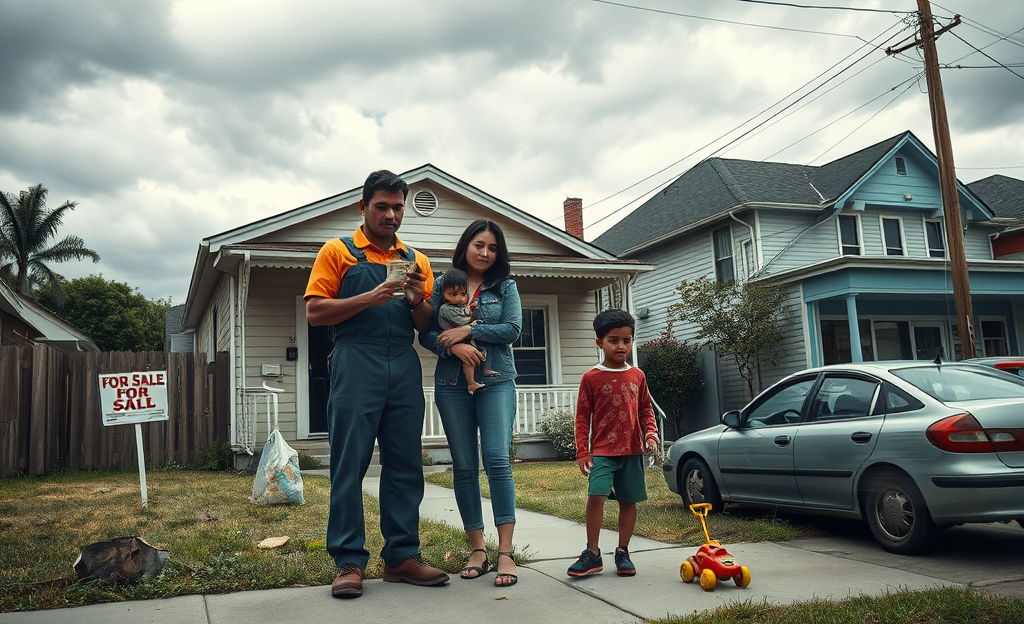
Economic Accessibility is becoming a critical concern for low-income households in the United States, particularly as economic fluctuations continue to impact their financial stability.
This article explores the challenges that these families face in maintaining their well-being amidst changing economic conditions.
With the Federal Reserve’s upcoming 2025 meeting on the horizon, the accessibility issues for vulnerable populations are coming into sharper focus.
By examining the interplay between economic instability, federal policies, and the unique struggles of low-income households, we aim to shed light on the systemic challenges that affect their financial health.
Economic Fluctuations Deepening Household Vulnerability
Economic fluctuations pose a significant threat to the financial stability of low-income households, which often operate with minimal savings and limited financial cushions.
As prices rise and job security wanes, these households are particularly vulnerable to unexpected shocks like unemployment or medical emergencies.
The ongoing ups and downs of the economy make it increasingly difficult for them to achieve financial security, deepening their susceptibility to hardship.
Accessibility Constraints Ahead of the Federal Reserve’s Final 2025 Meeting
Households with lower-income levels face increasing challenges securing affordable credit as the Federal Reserve approaches its final meeting of 2025. Interest rates are projected to rise, exacerbating existing hardships for these families who already struggle to manage day-to-day expenses.
Financial institutions are tightening borrowing conditions, which further restricts access to much-needed funds.
Consumer confidence dwindles as borrowing costs soar, impacting essential financial services.
According to data from the Chase Bank highlights the difference in spending power between low- and high-income households.
Escalating Financial Instability Risks for Vulnerable Families
Economic turbulence disproportionately impacts low-income households, stressing their financial resilience.
Data show these families face higher inflation rates than their wealthier counterparts, resulting in higher cost burdens on essential goods.
Adding to this pressure, nearly 29% of lower-income homes struggle paycheck to paycheck.
The depletion of savings further exacerbates their vulnerability, leaving them without a financial buffer in emergencies.
Inflation renders any wage gains ineffective, erasing disposable income that could have eased their burden.
Additionally, wage stagnation, coupled with reduced work hours, means families cannot keep up with rising costs, leading to inevitable financial instability.
This combination of factors signifies a growing accessibility issue, requiring targeted policies to stabilize and support these families facing formidable financial challenges.
In conclusion, the ongoing economic fluctuations present significant challenges for low-income households, highlighting the urgent need for improved economic accessibility.
Addressing these issues is essential to ensure that vulnerable populations can attain and maintain financial stability.



0 Comments